Unbreakable Laughter: Why Modern Comedy Embraces the Absurd
From bunker survivors to suburban grief, today's top comedy TV shows find humor in the most unexpected—and uncomfortable—places.
Gone are the days when comedy solely meant slapstick or wholesome misunderstandings. The landscape of what makes us laugh on streaming services today reveals a profound shift: we’re not just seeking escapism, we're demanding catharsis, a mirror held up to our own anxieties, even our traumas. The most resonant comedies of April 2026 are not afraid to be dark, absurd, and occasionally deeply uncomfortable, proving that the human spirit's capacity for humor is, indeed, unbreakable—even when everything else feels profoundly broken.
Why Are We Laughing at Trauma? The New Face of Comedy
Modern comedy TV is redefining the boundaries of what's considered funny, moving far beyond traditional sitcom structures. This evolution speaks volumes about contemporary audiences' desires for nuanced narratives that reflect life's complexities, not just its lighter side.
- The rise of dark comedy with optimistic undertones: Exploring serious themes without losing the comedic edge.
- How shows like Kimmy Schmidt redefine resilience: Finding hope and humor in the aftermath of extreme adversity.
- The meta-humor of social experiments like Jury Duty Presents: Company Retreat: Pushing the boundaries of reality and audience engagement.
- Audiences' demand for authenticity and vulnerability in laughs: A preference for humor that feels earned through struggle.
Finding the Light in the Bunker: Unbreakable Kimmy Schmidt
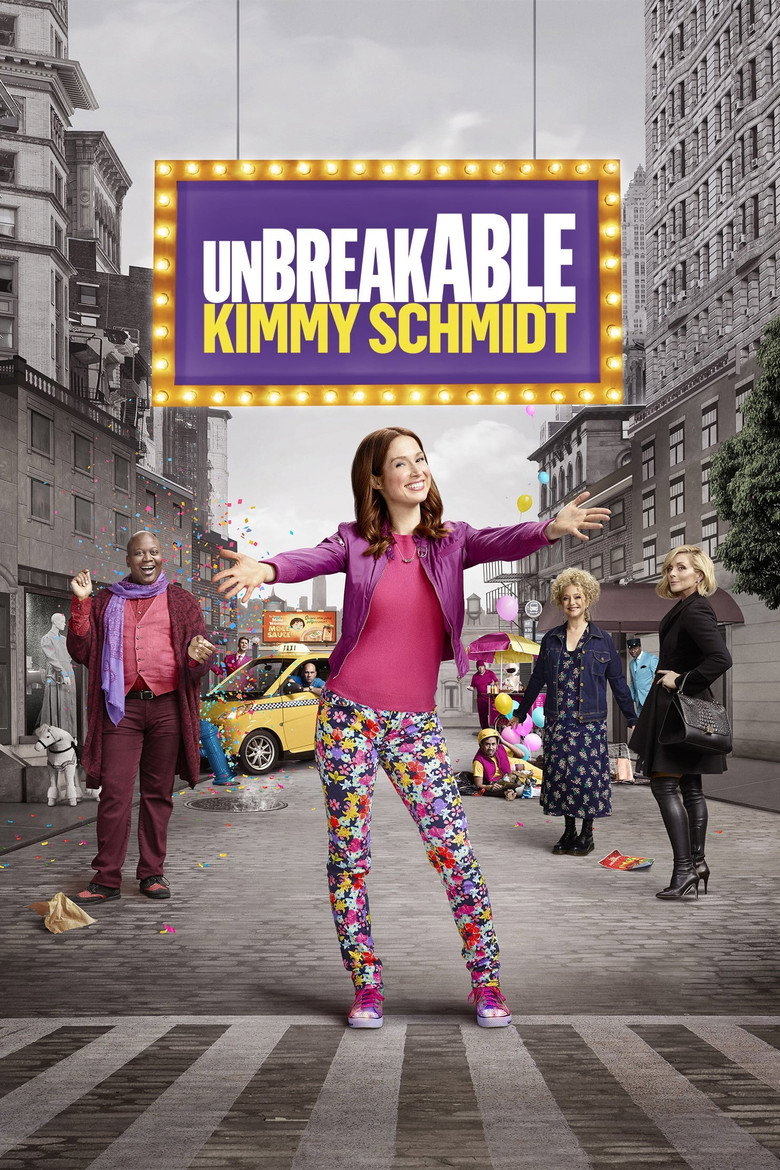
If ever there was a show to perfectly encapsulate this cultural pivot, it’s Unbreakable Kimmy Schmidt. Tina Fey and Robert Carlock’s brilliant creation is a testament to the power of optimism, even when it’s born from the most horrific circumstances. Kimmy, a survivor of an underground cult, emerges into modern New York with the wide-eyed wonder of a child and the unwavering resolve of a titan.
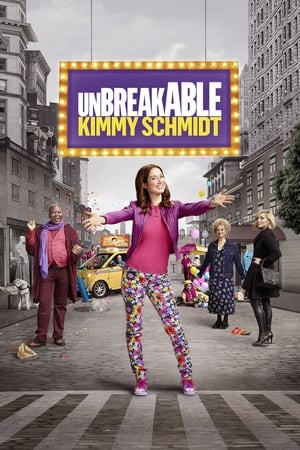
The genius lies not in shying away from her trauma, but in making it the bedrock of her unique, often surreal, worldview. Her earnestness in the face of cynical urban life, her anachronistic pop culture references, and her sheer refusal to be a victim, craft a humor that is both deeply specific and universally relatable. We laugh with Kimmy as she navigates a world she doesn't quite understand, but crucially, we also admire her indomitable spirit. This isn't cheap gags; it's humor as a coping mechanism, a vibrant middle finger to despair.
Grief, Guilt, and Giggles: The Unholy Alliance of Dead to Me
Taking a slightly different, but equally impactful, approach is Dead to Me. This series masterfully blends the dark undercurrents of grief and murder with genuinely hilarious dialogue and character dynamics. Jen (Christina Applegate) and Judy (Linda Cardellini) form an unlikely bond forged in trauma and sustained by a labyrinth of secrets.
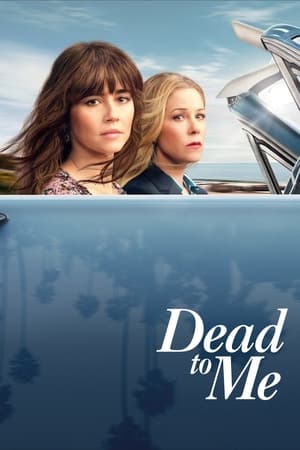
Their friendship, fraught with deception and existential dread, somehow becomes the source of constant, often uncomfortable, laughter. It's a black comedy that understands the absurdity of sorrow, the gallows humor that emerges when life pushes you to the brink. Audiences resonate with Dead to Me because it acknowledges that life’s most profound emotional experiences often exist on a spectrum, where tears and laughter are not mutually exclusive. It’s a messy, honest portrayal, much like the
FAQ
What defines modern comedy TV?
Modern comedy TV often features complex characters, blends humor with dark or dramatic themes, and frequently uses satire or meta-commentary to reflect contemporary social issues and anxieties.
Why are dark comedies becoming more popular?
Audiences are increasingly drawn to dark comedies because they offer a more authentic and cathartic way to process difficult emotions and real-world struggles, finding humor in shared human experiences of pain or absurdity rather than pure escapism.
Are 'reality' comedies like Jury Duty a passing fad?
While the format of 'reality' comedies might evolve, the underlying desire for authenticity and blurring the lines between scripted and unscripted entertainment is a significant trend, indicating a lasting appetite for innovative comedic approaches.