The Genius of Predictable TV: Why Columbo Beats Prestige Drama
In an age obsessed with shocking twists, the most enduringly rewatchable shows prove that a perfectly executed formula is the true secret to television immortality.
Why do we find ourselves, in 2026, still rewatching a 50-year-old detective show where the killer is revealed in the first five minutes? Because its rigid, predictable formula is a work of structural genius, exposing the pervasive lie that great television must be surprising.
We live in an era defined by the Mystery Box, the shocking third-act twist, and the season-long arc that demands utter devotion. We praise shows for their complexity, for their refusal to follow convention, for keeping us guessing. But when the buzz fades and the Twitter discourse moves on, what are we left with? What do we actually return to, not for study, but for comfort, for pleasure, for the sheer satisfaction of a story well told? The answer isn't the labyrinthine puzzle box; it's the perfectly calibrated machine. It’s time to give the formula its due.
The Formula for Enduring TV: What Makes a Show Infinitely Rewatchable?
This is not a list of 'comfort shows,' but an argument for a different kind of television artistry. This analysis breaks down the pillars of truly rewatchable television:
- The Inverted Mystery: An exploration of Columbo's revolutionary "howcatchem" structure, which prioritizes process over surprise.
- The Comedic Engine: A look at how the classic farce mechanics of Frasier create a reliable, endlessly enjoyable comedic payload.
- The Modern Hybrids: An examination of how shows like Superstore blend episodic formulas with serialized character development.
- Formula vs. Arc: The central thesis—why a masterfully executed formula provides a more durable and rewarding rewatch experience than even the most prestigious serialized dramas.
The Anti-Prestige Manifesto: In Praise of the Perfectly Executed Formula
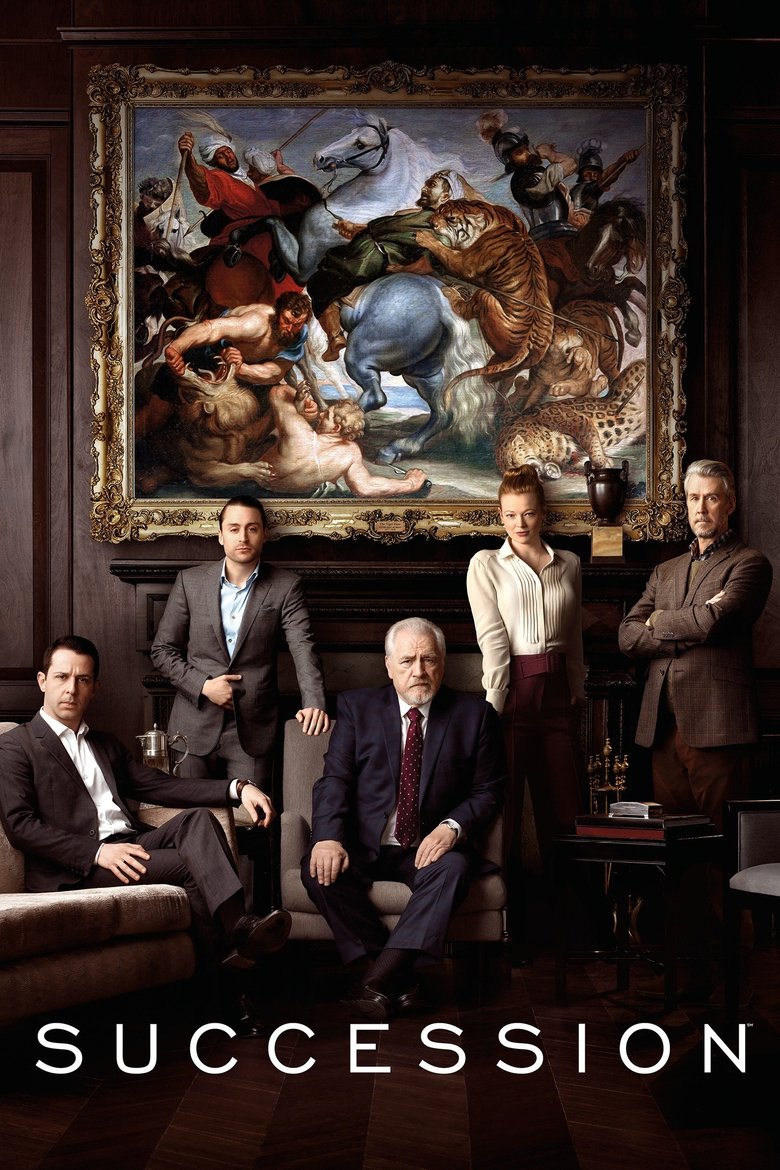
The critical consensus of the last two decades has championed serialized storytelling as the pinnacle of the form. Shows like The Sopranos, Breaking Bad, and Game of Thrones are held up as the medium's equivalent of the great novel—sprawling, character-driven epics that demand and reward patient viewing. And they are magnificent. But their primary power, the narrative engine that drives the cultural conversation, is suspense. It’s the constant, gnawing question: What happens next?
Once that question is answered, the spell is broken. A rewatch becomes an academic exercise. We admire the craft, spot the foreshadowing, and appreciate the performances, but the visceral, gut-level tension is gone forever. The experience is fundamentally diminished.
Formulaic television, conversely, suffers no such decay. Its power is not located in the destination, but in the journey. It builds its house on the bedrock of repetition, and its artistry lies in the subtle, brilliant variations it can achieve within a rigid framework. A great formulaic show is like a great jazz standard; the chord progression is known, but the genius is in the improvisation that happens on top of it. It offers the profound comfort of the familiar while still delivering the delight of masterful execution. It is television designed not for the binge, but for eternity.
Case Study #1: The Inverted Genius of Columbo
There is no clearer validation of this thesis than Columbo. The show’s central gimmick, dreamed up by creators Richard Levinson and William Link, is to obliterate the very concept of the whodunnit. The opening act of every single episode shows us a clever, often wealthy and arrogant, individual committing a seemingly perfect murder. There is no mystery for the audience. We know who did it, how they did it, and why they did it. The question is not "who?" but "how will he get them?"
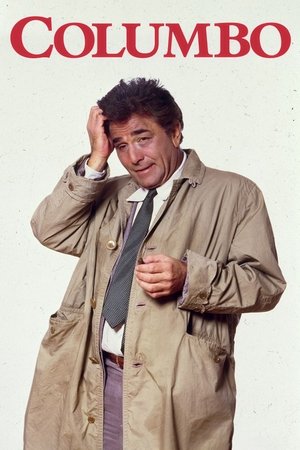
That "he" is, of course, Lieutenant Columbo, a rumpled, shuffling, cigar-chomping LAPD detective who appears to be perpetually confused and apologetic. This is the show's second pillar of genius: the protagonist as the ultimate constant. Peter Falk's performance is a masterclass in controlled chaos. He disarms his brilliant adversaries by playing the part of the bumbling, star-struck working man. His cheap raincoat is a suit of armor; his beat-up Peugeot, a chariot of justice. The killers, titans of industry, art, and politics, always underestimate him. They see a nuisance, not a nemesis. They tolerate his presence, answer his seemingly aimless questions, and allow him to linger, all while the trap slowly, methodically closes around them.
The pleasure of watching Columbo is the pleasure of watching a craftsman at work. We delight in the way he weaponizes politeness, the feigned forgetfulness that masks a razor-sharp intellect. Every "Oh, just one more thing..." is a dagger, another small chip in the killer's perfect alibi. Take the classic 1973 episode "Publish or Perish," where a publisher (Jack Cassidy, a recurring master-villain) murders his star author. The entire case hinges on Columbo meticulously deconstructing an alibi built on precise timing. Watching him circle his prey, pointing out tiny inconsistencies that no one else would notice, is more thrilling than any cheap jump scare or surprise villain reveal. The formula—the open-book crime, the arrogant killer, the bumbling detective, the slow tightening of the noose, the final, elegant checkmate—is so perfect that it becomes a ritual. We don't watch to be shocked; we watch to be satisfied.
Case Study #2: The Shakespearean Farce of Frasier
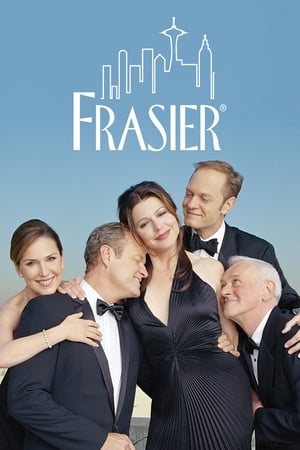
If Columbo is the perfect dramatic machine, Frasier is its comedic counterpart. While it evolved over its 11 seasons, the core of a classic Frasier episode is a masterfully constructed farce, a form of comedy dating back centuries that relies not on surprise, but on the exquisite agony of dramatic irony. The audience is always five steps ahead of the characters, and the joy comes from watching them dig their own graves with shovels of vanity and deception.
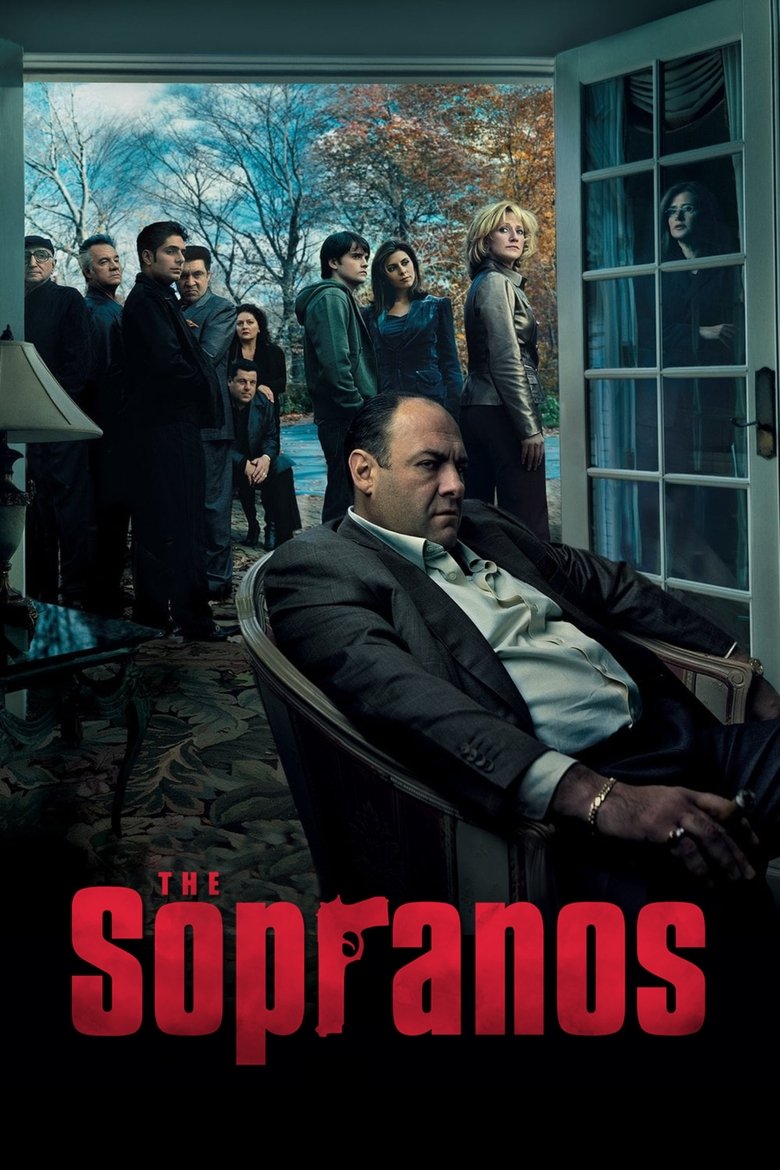
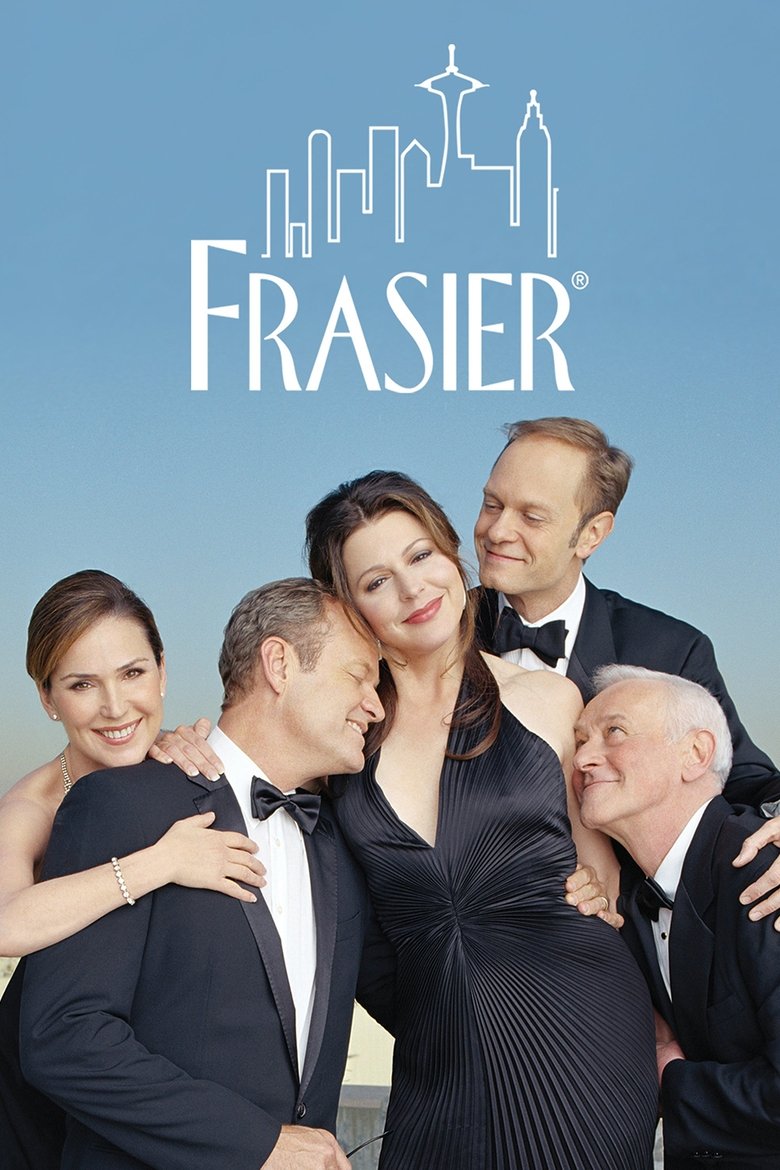
The Frasier formula is beautifully simple: one character (usually Frasier Crane himself) tells a small, seemingly harmless lie to avoid minor embarrassment or achieve a petty social victory. This lie requires a second, slightly larger lie to support it. Soon, other characters are dragged in, each adding their own layer of misunderstanding and deceit, until the situation escalates into a public, humiliating, and utterly hilarious catastrophe. The characters' predictability is the engine. We know Frasier's ego will lead him to double down. We know Niles's fastidiousness will make him an unwilling but precise accomplice. We know Martin's blue-collar pragmatism will poke holes in their absurd schemes, often inadvertently making things worse.
Look no further than Season 5's "The Ski Lodge," widely considered one of the greatest sitcom episodes ever produced. It’s a masterwork of slamming doors, mistaken intentions, and romantic confusion, all choreographed with the precision of a Swiss watch. The plot involves five characters in a cabin, each pursuing someone who is, in turn, pursuing someone else. The audience understands the entire romantic matrix from the start. The humor is generated by watching the characters navigate this maze with blissful ignorance. There are no shocking twists. The outcome is inevitable. The pleasure is in the construction, the sheer Rube Goldberg-esque elegance of the script. This is why Frasier remains so rewatchable. You aren't waiting for a punchline; you're savoring the impeccable setup.
The Modern Evolution and Its Discontents
The pure formula has become a rarer beast in the 21st century, but its DNA persists, often in hybrid forms.

Take NBC's brilliant Superstore. On the surface, it's a classic workplace sitcom. Each episode is a self-contained story set within the Cloud 9 big-box store, complete with familiar beats: the morning meeting, the bizarre customer interludes, the clash between corporate mandates and floor-staff reality. You can drop into almost any episode and understand the dynamics. This episodic reliability makes it comforting and endlessly rewatchable. Yet, unlike Columbo or Frasier, it weaves a subtle, season-long serialization through its core. Amy and Jonah's will-they-won't-they relationship, Dina's journey to motherhood, Glenn's managerial crises—these stories evolve slowly, rewarding loyal viewers without punishing casual ones. Superstore proves that formula and character development aren't mutually exclusive; it finds a perfect equilibrium, offering the comfort of a familiar structure while allowing its characters the space to grow. It’s a gentle evolution of the form, a successful marriage of old and new television philosophies.
On the other end of the spectrum lies Family Guy. Seth MacFarlane's animated behemoth is formula taken to its most cynical and deconstructed conclusion. The plot of any given episode is often tertiary, a flimsy skeleton on which to hang the show's actual engine: the cutaway gag. The formula is brutally simple: character makes an oblique reference, and the show cuts to a completely unrelated, often surreal, 10-second vignette. It is a machine for generating non-sequiturs. While often lazy and repetitive, its very mindlessness is key to its rewatchability. It requires nothing from the viewer. It's televisual junk food, a formula so potent and stripped-down that it can be consumed in perpetuity without any emotional or intellectual investment. It’s the formula as a content-delivery system, lacking the art of Columbo or the wit of Frasier, but brutally effective all the same.
The Counterargument: Doesn't Formula Kill Art?
Now, the prestige TV advocate will cry foul. "Are you seriously suggesting Columbo is better than Breaking Bad?" No. I'm arguing it's more durable. A show like Breaking Bad is a towering artistic achievement, a profound character study that will be taught in film schools for a century. Its initial viewing is one of the great experiences modern television has to offer. But its primary narrative power is finite. The shock of Hank's death on the toilet, the horror of Walt watching Jane die—these moments can only truly land with their full, devastating force once.
A rewatch is a different, more cerebral experience. It's an appreciation of craft, not a submission to narrative. The formulaic masterpiece, however, is built for repetition. Its pleasures are structural and constant. Watching Columbo corner a killer is satisfying the first time and the fiftieth time. The elegance of the trap, the brilliance of Falk's performance, the catharsis of seeing arrogance humbled—these are immutable joys. This is why local TV stations can run Columbo reruns for 40 years straight, while a Six Feet Under marathon would be an exercise in diminishing emotional returns, a journey whose power lies in its singular, devastating destination. In a world obsessed with the blending of genre and grief, there is an elegant purity to a show that simply wants to do one thing perfectly, over and over again.
Editor's Verdict
In the pantheon of television, the serialized epics are the gods, demanding worship and sacrifice. The formulaic shows are the saints—reliable, comforting, and always there when you need them. While the gods wage their bloody, complex wars for our attention, the saints offer a more consistent, more durable form of salvation. We need both, but we have become so enamored with the lightning strike of shocking plot twists that we've forgotten the quiet genius of the perfectly constructed clock.
Featured Show: Columbo
Rating Justification: Columbo’s “Publish or Perish” (Season 3, Episode 5) is a more perfectly constructed piece of television drama than any single episode of a modern prestige mystery series. It is a flawless execution of the show's inverted formula, elevated by a stellar guest performance and a script so tightly wound it could snap. The show earns a 9 for its timeless writing and Peter Falk's iconic performance, losing a single point only because the 1970s production values and pacing can occasionally feel sluggish to a modern audience conditioned by hyper-caffeinated editing. But the core architecture is, and remains, perfect.
FAQ
What is the 'inverted mystery' format used in Columbo?
The inverted mystery, or "howcatchem," is a story structure where the audience is shown the crime and the perpetrator at the beginning of the episode. The narrative tension comes not from discovering 'whodunnit,' but from watching the detective piece together the evidence to catch the known killer.
Why is Frasier considered a classic sitcom?
Frasier is celebrated for its exceptionally witty, literate scripts, its masterful use of farce, and its brilliant ensemble cast led by Kelsey Grammer. It successfully blended high-brow humor with relatable family dynamics, winning 37 Primetime Emmy Awards during its 11-season run, a record for a scripted series at the time.
What makes a TV show 'rewatchable'?
Rewatchability often stems from a show's structure and tone. Shows with strong episodic formulas, compelling character dynamics, and a comforting or humorous atmosphere tend to be highly rewatchable because viewers can enjoy individual episodes without needing to remember complex, ongoing plotlines.