The Ensemble Crucible Scorecard: Ranking TV's Best Social Ecosystems
A brutal breakdown of how modern series weaponize character dynamics, workplace tension, and genre fusion to dissect human behavior.
The modern television ensemble is a lie, and most shows use it to mask lazy writing. We’ve been conditioned to believe that a group of quirky, mismatched characters bouncing off one another automatically generates chemistry, but true ensemble dynamics require ruthless narrative architecture, not just casting a bunch of charismatic actors in a shared zip code. When a series actually masters the social ecosystem, it stops being about who sits next to whom at dinner and becomes a precision instrument for dissecting human behavior under pressure. As we navigate the mid-2026 streaming landscape, the gap between genuine psychological crucibles and hollow character-driven filler has never been wider.
What TV Shows Actually Master Ensemble Dynamics and Psychological Tension?
- How the legal noir deconstruction weaponizes bureaucracy as character development
- Why the corporate dystopia thriller redefines workplace horror through cognitive partitioning
- The structural brilliance behind the workplace mockumentary’s interview format
- How the hyper-detective procedural updates classic whodunits for the information age
- The enduring social contract of the coffeehouse sitcom and its impact on pacing
- The digital parable machine’s use of anthology formatting to mirror tech anxiety
The Scoring Methodology: Deconstructing the Social Crucible
To separate genuine masterpieces from well-funded filler, I’m applying a strict four-pillar scoring system. Each series is graded out of 10 across these dimensions, culminating in a total out of 40. This isn't about box office numbers or award season buzz; it's about structural integrity. - Conceptual Rigor: Does the premise hold up under scrutiny, or does it rely on convenient plot armor and contrived coincidences? - Character Ecosystems: How organically do the ensemble members influence, challenge, and corrupt each other? Do their arcs intersect with purpose? - Tonal Precision: Does the show know exactly what it is, and does it commit to it without wavering into tonal whiplash or genre confusion? - Cultural Resonance: Does the series tap into a genuine societal nerve, or is it just recycling familiar tropes with a fresh coat of paint? Only shows that survive this calculus make the cut. No nostalgia passes, no prestige padding. As explored in Genre Television Is a Lie: Why Your Favorite Shows Are Secretly Autopsying Society, the best programs use their settings as surgical tools.
The Legal Noir Prequel: Better Call Saul
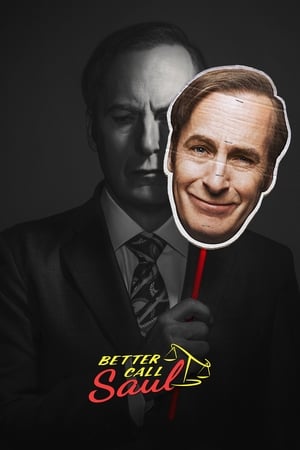 This legal noir deconstruction understands that bureaucracy is the true villain, transforming dry paperwork, municipal regulations, and corporate compliance into weapons of mass psychological destruction. The series operates as a slow-burn autopsy of moral compromise, where every handshake, forged signature, and carefully worded legal brief chips away at the protagonist's remaining humanity. Jimmy McGill’s descent isn't a sudden fall; it's a meticulously engineered slide down a slippery slope paved with well-intentioned shortcuts. The ensemble thrives because the ecosystem is a pressure cooker of mutual exploitation. Kim Wexler isn't just a romantic interest; she's a co-conspirator whose intellectual brilliance matches Jimmy's chaotic charm, creating a dynamic where ambition and ethics are constantly auctioned off to the highest bidder. Mike Ehrmantraut operates on a completely different moral frequency, bringing a grounded, fatalistic gravity that anchors the show's more flamboyant schemes. The tonal precision is flawless, balancing dark comedy with devastating drama without ever feeling like it's cheating. It understands that laughter and grief often share the same room, as seen in the devastating quiet of the chicken farm sequences or the brutal efficiency of the bank heist payoff. This is television that treats its narrative architecture like load-bearing steel.
- Conceptual Rigor: 10/10
- Character Ecosystems: 10/10
- Tonal Precision: 10/10
- Cultural Resonance: 9/10
Total: 39/40
This legal noir deconstruction understands that bureaucracy is the true villain, transforming dry paperwork, municipal regulations, and corporate compliance into weapons of mass psychological destruction. The series operates as a slow-burn autopsy of moral compromise, where every handshake, forged signature, and carefully worded legal brief chips away at the protagonist's remaining humanity. Jimmy McGill’s descent isn't a sudden fall; it's a meticulously engineered slide down a slippery slope paved with well-intentioned shortcuts. The ensemble thrives because the ecosystem is a pressure cooker of mutual exploitation. Kim Wexler isn't just a romantic interest; she's a co-conspirator whose intellectual brilliance matches Jimmy's chaotic charm, creating a dynamic where ambition and ethics are constantly auctioned off to the highest bidder. Mike Ehrmantraut operates on a completely different moral frequency, bringing a grounded, fatalistic gravity that anchors the show's more flamboyant schemes. The tonal precision is flawless, balancing dark comedy with devastating drama without ever feeling like it's cheating. It understands that laughter and grief often share the same room, as seen in the devastating quiet of the chicken farm sequences or the brutal efficiency of the bank heist payoff. This is television that treats its narrative architecture like load-bearing steel.
- Conceptual Rigor: 10/10
- Character Ecosystems: 10/10
- Tonal Precision: 10/10
- Cultural Resonance: 9/10
Total: 39/40
The Corporate Labyrinth: Severance
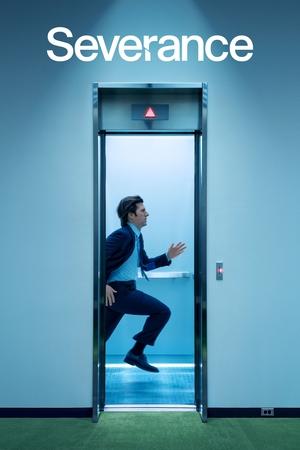 This corporate dystopia thriller weaponizes the modern fear of burnout by literally slicing the human psyche in half. The show’s genius lies in its architectural claustrophobia; the sterile, fluorescent corridors of Lumon Industries feel more like a psychological prison than a place of employment. The ensemble dynamics here are fascinating precisely because they are fractured. The "innies" and "outies" represent the ultimate workplace alienation, where the self is commodified and partitioned for maximum productivity. Mark Scout’s journey isn't about climbing the corporate ladder; it's about reclaiming the stolen fragments of his own identity through the terrifying Overtime Contingency protocol. The supporting cast operates as a Greek chorus of institutional compliance, each character revealing a different facet of how easily human beings submit to absurd authority when the alternative is the terrifying void of existential uncertainty. The tonal precision is razor-sharp, blending surreal workplace comedy with genuine psychological horror. It doesn't just critique late-stage capitalism; it simulates the cognitive dissonance of modern labor, proving that Why High-Concept TV Is Dead: The Case for Containment Dramas holds true when the setting itself becomes the primary antagonist.
- Conceptual Rigor: 10/10
- Character Ecosystems: 9/10
- Tonal Precision: 10/10
- Cultural Resonance: 10/10
Total: 39/40
This corporate dystopia thriller weaponizes the modern fear of burnout by literally slicing the human psyche in half. The show’s genius lies in its architectural claustrophobia; the sterile, fluorescent corridors of Lumon Industries feel more like a psychological prison than a place of employment. The ensemble dynamics here are fascinating precisely because they are fractured. The "innies" and "outies" represent the ultimate workplace alienation, where the self is commodified and partitioned for maximum productivity. Mark Scout’s journey isn't about climbing the corporate ladder; it's about reclaiming the stolen fragments of his own identity through the terrifying Overtime Contingency protocol. The supporting cast operates as a Greek chorus of institutional compliance, each character revealing a different facet of how easily human beings submit to absurd authority when the alternative is the terrifying void of existential uncertainty. The tonal precision is razor-sharp, blending surreal workplace comedy with genuine psychological horror. It doesn't just critique late-stage capitalism; it simulates the cognitive dissonance of modern labor, proving that Why High-Concept TV Is Dead: The Case for Containment Dramas holds true when the setting itself becomes the primary antagonist.
- Conceptual Rigor: 10/10
- Character Ecosystems: 9/10
- Tonal Precision: 10/10
- Cultural Resonance: 10/10
Total: 39/40
The Workplace Mockumentary: The Office
 The workplace mockumentary format revolutionized sitcom structure by stripping away the laugh track and replacing it with the brutal honesty of the talking head interview. This series thrives on the dissonance between how characters perceive themselves and how the camera captures them. Michael Scott’s desperate need for validation becomes the gravitational center of the entire ensemble, warping everyone around him into bizarre, often uncomfortable orbits. The true brilliance, however, lies in the quiet undercurrents of Dunder Mifflin. Jim and Pam’s relationship unfolds in stolen glances and subtle office pranks, proving that emotional stakes don't need explosive confrontations to resonate. The ensemble ecosystem functions as a microcosm of modern professional life, where mundane tasks like paper sales and regional meetings become the battlegrounds for ego, loneliness, and unspoken affection. Its tonal precision navigates the fine line between cringe comedy and genuine pathos, ensuring that every awkward moment is underpinned by a fragile humanity. Episodes like "Diversity Day" or "The Dundies" demonstrate how to extract maximum emotional and comedic value from a single, contained premise without ever breaking the fourth wall's delicate balance.
- Conceptual Rigor: 9/10
- Character Ecosystems: 10/10
- Tonal Precision: 9/10
- Cultural Resonance: 9/10
Total: 37/40
The workplace mockumentary format revolutionized sitcom structure by stripping away the laugh track and replacing it with the brutal honesty of the talking head interview. This series thrives on the dissonance between how characters perceive themselves and how the camera captures them. Michael Scott’s desperate need for validation becomes the gravitational center of the entire ensemble, warping everyone around him into bizarre, often uncomfortable orbits. The true brilliance, however, lies in the quiet undercurrents of Dunder Mifflin. Jim and Pam’s relationship unfolds in stolen glances and subtle office pranks, proving that emotional stakes don't need explosive confrontations to resonate. The ensemble ecosystem functions as a microcosm of modern professional life, where mundane tasks like paper sales and regional meetings become the battlegrounds for ego, loneliness, and unspoken affection. Its tonal precision navigates the fine line between cringe comedy and genuine pathos, ensuring that every awkward moment is underpinned by a fragile humanity. Episodes like "Diversity Day" or "The Dundies" demonstrate how to extract maximum emotional and comedic value from a single, contained premise without ever breaking the fourth wall's delicate balance.
- Conceptual Rigor: 9/10
- Character Ecosystems: 10/10
- Tonal Precision: 9/10
- Cultural Resonance: 9/10
Total: 37/40
The Hyper-Detective Engine: Sherlock
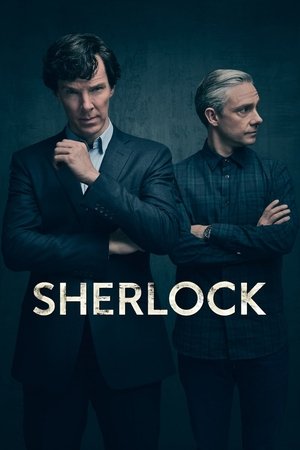 The modernist detective procedural updates classic whodunit mechanics for the smartphone era, replacing deerstalker hats with text message deductions and cocaine with internet addiction. This series hinges on the friction between hyper-rationality and emotional turbulence. The protagonist's sociopathic brilliance is constantly checked by his counterpart's grounded, working-class empathy, creating a partnership that is less about friendship and more about mutual dependency. The ensemble thrives because the supporting characters are never just plot devices; they are reflections of the detective's own fractured morality. Mrs. Hudson represents unwavering loyalty in a transactional world, while the police force embodies the frustrating gap between procedural justice and actual truth. The tonal precision occasionally falters when the show leans too heavily into theatrical, almost musical set pieces, but when it commits to the quiet tension of a shared apartment or a tense interrogation room, it becomes a masterclass in pacing. "The Great Game" remains a structural marvel, proving that intellectual puzzles are only engaging when they force characters to confront their own psychological blind spots rather than relying on cheap action sequences.
- Conceptual Rigor: 8/10
- Character Ecosystems: 8/10
- Tonal Precision: 7/10
- Cultural Resonance: 8/10
Total: 31/40
The modernist detective procedural updates classic whodunit mechanics for the smartphone era, replacing deerstalker hats with text message deductions and cocaine with internet addiction. This series hinges on the friction between hyper-rationality and emotional turbulence. The protagonist's sociopathic brilliance is constantly checked by his counterpart's grounded, working-class empathy, creating a partnership that is less about friendship and more about mutual dependency. The ensemble thrives because the supporting characters are never just plot devices; they are reflections of the detective's own fractured morality. Mrs. Hudson represents unwavering loyalty in a transactional world, while the police force embodies the frustrating gap between procedural justice and actual truth. The tonal precision occasionally falters when the show leans too heavily into theatrical, almost musical set pieces, but when it commits to the quiet tension of a shared apartment or a tense interrogation room, it becomes a masterclass in pacing. "The Great Game" remains a structural marvel, proving that intellectual puzzles are only engaging when they force characters to confront their own psychological blind spots rather than relying on cheap action sequences.
- Conceptual Rigor: 8/10
- Character Ecosystems: 8/10
- Tonal Precision: 7/10
- Cultural Resonance: 8/10
Total: 31/40
The Coffeehouse Cohort: Friends
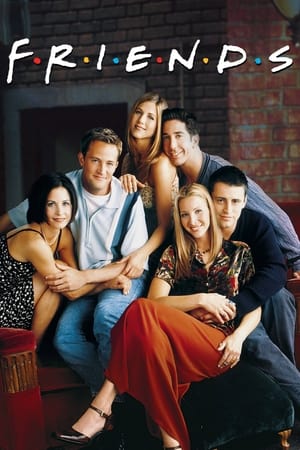 The apartment-sized sitcom defined a generation's understanding of urban friendship, operating on the unspoken rule that proximity equals permanence. This series constructs a self-contained social ecosystem where the outside world is merely a backdrop for internal group dynamics. The ensemble functions through a rigid but comforting hierarchy of roles: the neurotic planner, the chaotic free spirit, the ambitious careerist, and the lovable underachiever. Their interactions rely heavily on catchphrases and recurring situational tropes, which, while culturally indelible, often sacrifice narrative complexity for predictable comfort. The tonal precision is consistently light, avoiding darker thematic territory to maintain its status as reliable background entertainment. While the character ecosystems lack the psychological friction of more modern ensembles, the show's cultural resonance remains undeniable. It captures the specific anxiety of late-stage youth and the desperate hope that your chosen family will outlast your professional failures. The iconic living room couch serves as a structural anchor, a neutral zone where conflicts are resolved with a joke rather than a genuine reckoning, making it a comfort blanket for the soul even if it rarely challenges the viewer.
- Conceptual Rigor: 6/10
- Character Ecosystems: 7/10
- Tonal Precision: 8/10
- Cultural Resonance: 9/10
Total: 30/40
The apartment-sized sitcom defined a generation's understanding of urban friendship, operating on the unspoken rule that proximity equals permanence. This series constructs a self-contained social ecosystem where the outside world is merely a backdrop for internal group dynamics. The ensemble functions through a rigid but comforting hierarchy of roles: the neurotic planner, the chaotic free spirit, the ambitious careerist, and the lovable underachiever. Their interactions rely heavily on catchphrases and recurring situational tropes, which, while culturally indelible, often sacrifice narrative complexity for predictable comfort. The tonal precision is consistently light, avoiding darker thematic territory to maintain its status as reliable background entertainment. While the character ecosystems lack the psychological friction of more modern ensembles, the show's cultural resonance remains undeniable. It captures the specific anxiety of late-stage youth and the desperate hope that your chosen family will outlast your professional failures. The iconic living room couch serves as a structural anchor, a neutral zone where conflicts are resolved with a joke rather than a genuine reckoning, making it a comfort blanket for the soul even if it rarely challenges the viewer.
- Conceptual Rigor: 6/10
- Character Ecosystems: 7/10
- Tonal Precision: 8/10
- Cultural Resonance: 9/10
Total: 30/40
The Digital Parable Machine: Black Mirror
 The anthology of tech paranoia abandons traditional ensemble continuity in favor of episodic conceptual brutality. Each episode operates as a standalone thought experiment, asking what happens when a single technological innovation is pushed to its absolute moral limit. The strength of this format lies in its conceptual rigor; the show consistently identifies a contemporary anxiety—social media scoring, digital consciousness, memory editing—and follows it to a devastating, logical conclusion. The character ecosystems are intentionally transient, designed to serve the premise rather than develop long-term arcs. This is both its greatest strength and its fatal flaw. While early episodes like "Nosedive" delivered razor-sharp sociological critiques, later installments often prioritize shock value over genuine psychological insight, resulting in tonal whiplash that undermines the series' initial promise. The cultural resonance remains high, but the show's reliance on dystopian inevitability sometimes feels less like a warning and more like a cynical prediction. It's a brilliant mirror, provided you don't mind the cracks forming when the writers run out of new technological fears to exploit.
- Conceptual Rigor: 9/10
- Character Ecosystems: 6/10
- Tonal Precision: 7/10
- Cultural Resonance: 9/10
Total: 31/40
The anthology of tech paranoia abandons traditional ensemble continuity in favor of episodic conceptual brutality. Each episode operates as a standalone thought experiment, asking what happens when a single technological innovation is pushed to its absolute moral limit. The strength of this format lies in its conceptual rigor; the show consistently identifies a contemporary anxiety—social media scoring, digital consciousness, memory editing—and follows it to a devastating, logical conclusion. The character ecosystems are intentionally transient, designed to serve the premise rather than develop long-term arcs. This is both its greatest strength and its fatal flaw. While early episodes like "Nosedive" delivered razor-sharp sociological critiques, later installments often prioritize shock value over genuine psychological insight, resulting in tonal whiplash that undermines the series' initial promise. The cultural resonance remains high, but the show's reliance on dystopian inevitability sometimes feels less like a warning and more like a cynical prediction. It's a brilliant mirror, provided you don't mind the cracks forming when the writers run out of new technological fears to exploit.
- Conceptual Rigor: 9/10
- Character Ecosystems: 6/10
- Tonal Precision: 7/10
- Cultural Resonance: 9/10
Total: 31/40
The Final Tally: Who Actually Earned the Screen Time?
| Series | Conceptual Rigor | Character Ecosystems | Tonal Precision | Cultural Resonance | Total |
|---|---|---|---|---|---|
| Better Call Saul | 10 | 10 | 10 | 9 | 39 |
| Severance | 10 | 9 | 10 | 10 | 39 |
| The Office | 9 | 10 | 9 | 9 | 37 |
| Sherlock | 8 | 8 | 7 | 8 | 31 |
| Black Mirror | 9 | 6 | 7 | 9 | 31 |
| Friends | 6 | 7 | 8 | 9 | 30 |
Editor's Verdict
The data doesn't lie: Better Call Saul and Severance aren't just prestige television; they are structural masterclasses in how to weaponize setting and social dynamics against the human psyche. I'm awarding Better Call Saul an editor_rating of 10/10 because it never wastes a single frame of screen time on cheap drama, instead building every emotional payoff through meticulous, multi-season groundwork. The season 3 finale's bank robbery sequence remains the most efficiently paced hour of television ever filmed, proving that narrative restraint generates more tension than explosions ever could. Conversely, Friends and Black Mirror lose points for relying on formulaic comfort and episodic shock, respectively. If you want ensembles that actually challenge your understanding of human connection rather than just comforting your nostalgia, stick to the shows that treat their narrative architecture like a load-bearing wall.
FAQ
What makes an ensemble cast actually work instead of feeling like a crowded room?
Ensemble dynamics thrive on conflict and interdependence. The best shows ensure that every character's goals directly clash with or enable another character's arc, creating a web of mutual stakes rather than isolated, parallel storylines.
Why do some high-concept anthology series lose quality over time?
Anthology formats often suffer from premise fatigue. When a show exhausts the logical implications of its initial concept, it tends to rely on tonal gimmicks or shock value, which erodes the psychological tension that made the early episodes compelling.
How does the mockumentary interview format affect character development?
The mockumentary style forces characters to confront their own narratives through talking-head interviews. This creates dramatic irony, where the audience understands the character's self-deception more clearly than the character does, adding layers of psychological depth to otherwise mundane situations.