Why High-Concept TV Is Dead: The Case for Containment Dramas
Stop chasing twists. The shows dominating 2026 trap characters in cages where psychology beats spectacle every time.
It’s 2:14 AM on a Tuesday. The living room is dark except for the blue wash of the television. On screen, no monsters are chasing anyone. No bomb is ticking down. No ancient prophecy is being deciphered. Instead, a character sits on a metal cot in a room barely wider than a doorframe, staring at a cracked concrete wall while quietly realizing they’ve spent the last three hours lying to themselves. The remote hovers in your hand. You don’t reach for it. You’re not hooked by a twist. You’re paralyzed by the suffocating weight of a person who has finally run out of places to hide. This is the exact moment television stopped being about spectacle and started being about survival.
The streaming era’s obsession with high-concept plotting is a structural dead end. The shows that actually dominate critical conversations and viewer retention in July 2026 aren’t about saving the world, solving cosmic mysteries, or assembling sprawling franchises. They’re about people trapped in literal or metaphorical cages. Genre is just the architecture; the real drama lives in the containment. When television stops trying to conquer the screen and starts pressurizing the room, it becomes unputdownable. We’ve spent a decade watching mystery-box shows burn out the second the answers arrive, while psychological traps compound in tension. The crowd still chases spectacle, but the craft has moved on.
What TV Shows Are Actually Worth Binging Right Now?
The Architecture of the Cage
As I argued in Genre Television Is a Lie: Why Your Favorite Shows Are Secretly Autopsying Society, the label we slap on a show tells us almost nothing about how it actually works. Sci-fi, crime, fantasy, supernatural horror—these are just set dressing for the real engine of modern prestige television: confinement. The most compelling scripts right now don’t ask characters to travel across continents or outsmart masterminds. They ask characters to sit still, breathe heavy, and watch their own choices narrow the hallway. Plot is a consumable resource; once you use up the twists, you have nothing left. Psychological pressure is renewable. Every time a character lies to themselves, the tension resets and compounds. That’s why the shows trending this month share a hidden DNA, even when their surface premises look nothing alike.
Silo’s Concrete Chokehold
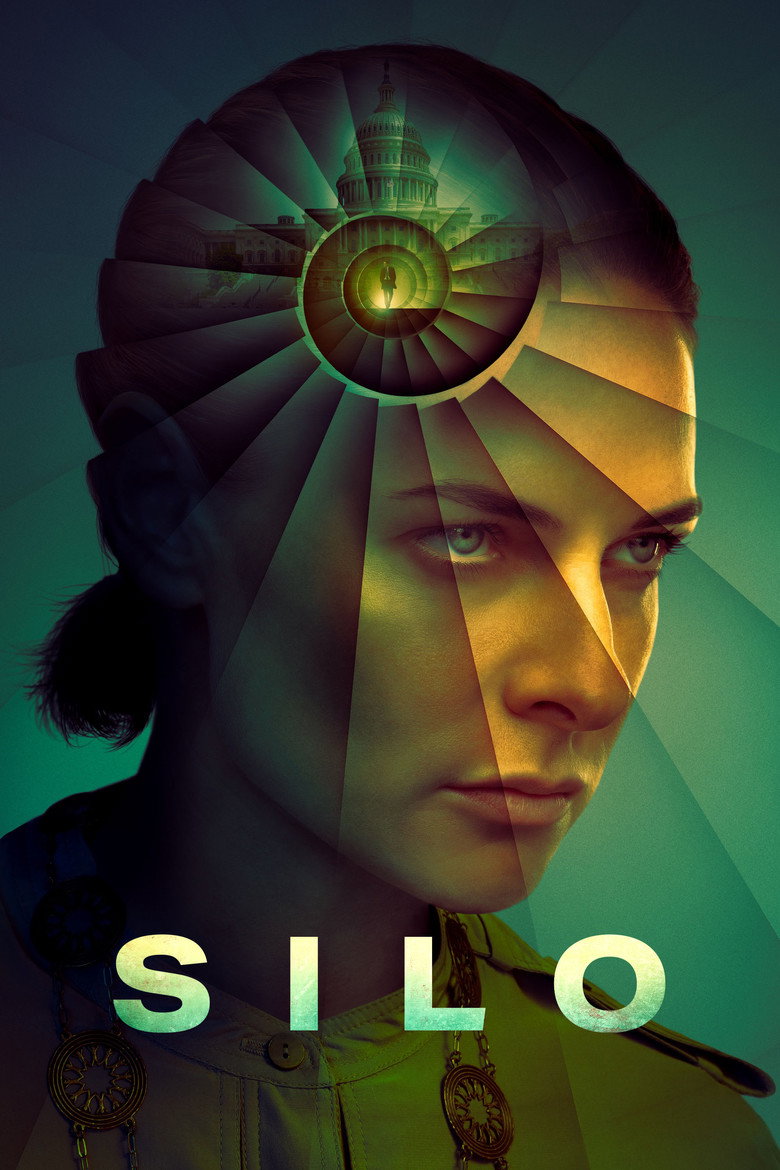
Silo doesn’t just use a buried bunker as a setting; it weaponizes vertical space to simulate claustrophobia. The show’s production design deliberately avoids wide shots of the exterior, forcing the camera into the maintenance tunnels, the cramped elevator shafts, and the communal dining levels where acoustic echoes carry every whispered rumor. Rebecca Ferguson’s performance as Juliet depends entirely on stillness. Watch the scene where she audits a resident’s ration logs: she never raises her voice, never leans into the frame, but her micro-expressions map a complete psychological unraveling. The silo isn’t a puzzle box waiting to be cracked open; it’s a pressure vessel testing whether institutional dogma can survive human curiosity. When the ventilation fans groan or the stairwell grates vibrate, the sound design isn’t烘托 atmosphere—it’s establishing a physical antagonist. The show understands that dystopian world-building fails the moment it becomes a backdrop for heroics. By trapping its characters in a structure where every floor represents a different layer of social control, Silo proves that the most terrifying apocalypses aren’t nuclear or ecological. They’re bureaucratic.
Russian Doll’s Temporal Loop

Russian Doll is routinely misread as a sci-fi procedural because of its time-loop mechanism, but the loop is merely a narrative straightjacket. The show’s genius lies in how it uses repetition to strip away defensive posturing. Natasha Lyonne’s Nadine doesn’t break the cycle by finding a hidden clue or defeating a villain; she breaks it by finally listening to the people she’s spent years dismissing. The third episode’s apartment party sequence is a masterclass in structural storytelling. Each iteration of the loop runs through the same beats—the spilled drink, the awkward flirtation, the confrontation—but the camera framing shifts slightly tighter, the background noise drops, and the dialogue reveals new subtext. The loop forces characters to confront the emotional avoidance they’d normally outrun with plot momentum. When the show eventually abandons the reset mechanic in its final season, it doesn’t feel like a cheat code. It feels like the walls finally dissolving because the internal work is done. Russian Doll demonstrates that temporal gimmicks only work when they serve psychological containment. The real mystery was never how to escape the party; it was why they kept showing up.
Better Call Saul’s Moral Quicksand
Better Call Saul operates on the opposite end of the genre spectrum, trading supernatural or sci-fi elements for the slow, grinding confinement of legal ethics and personal ambition. Yet it remains one of the purest examples of a containment drama in television history. The show doesn’t track Jimmy McGill’s rise; it tracks his narrowing of options. Every courtroom maneuver, every backroom deal, every carefully rehearsed pitch narrows the corridor until there’s only one door left open. The “bagman” episodes are particularly brutal in how they use physical space to mirror moral decay. Jimmy is literally locked in a storage unit with a dead body and a phone, forced to negotiate his own complicity while sweat pools on the linoleum. Vince Gilligan and Peter Gould understand that transformation isn’t a lightning strike; it’s erosion. The show’s pacing deliberately denies payoff. Viewers expect a dramatic turning point, but the writers give us paperwork, waiting rooms, and awkward silences. That’s the point. The cage isn’t built with steel bars; it’s constructed from compromises so small they’re easy to miss until you realize you can’t turn around anymore. Better Call Saul remains the blueprint for how to make slow-burn character work feel like a thriller.
The Vampire Lestat’s Gilded Prison
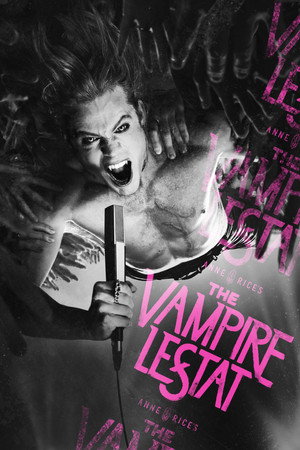
The Vampire Lestat leans into opulence, but its central tension is profoundly claustrophobic. Immortality, in this adaptation, isn’t a superpower; it’s a sentence of self-imposed isolation. Jacob Elordi’s Lestat performs his own life for an audience that doesn’t exist, using theatrical musical numbers and lavish costumes to paper over a century of emotional atrophy. The show’s most effective sequences occur in drawing rooms where the dialogue is sharp but the emotional distance is vast. Watch the scene where Lestat rehearses a monologue in a mirrored salon: the camera circles him, multiplying his reflection until the frame is crowded with versions of himself, yet he’s completely alone. The adaptation wisely avoids sprawling vampire politics in favor of focusing on the psychological weight of outliving everyone you love. The gilded cages of 18th-century Europe, 20th-century New Orleans, and modern recording studios are all the same room. The Vampire Lestat understands that eternal life doesn’t expand your world; it shrinks it to the size of your own ego. The show’s occasional reliance on exposition-heavy narration costs it some pacing, but when it commits to the containment theme, it delivers some of the most emotionally precise television of the year.
Why the “Plot-First” Counterargument Fails
Defenders of high-concept television will argue that mystery boxes, escalating stakes, and intricate plotting are what keep audiences returning week to week. They’ll point to season finales with twist endings and claim that narrative velocity is the only metric that matters. This is a fundamental misunderstanding of how engagement actually works. Plot is consumable. Once a twist is revealed or a mystery is solved, the tension evaporates until the writers can engineer the next hook. That’s why mystery-box shows consistently suffer from second-season fatigue: the engine runs on ammunition, and eventually, the magazine empties. Containment dramas, by contrast, run on human psychology, which is inexhaustible. A character’s denial, their pride, their capacity for self-sabotage—these don’t resolve with a plot point. They compound. The counterargument also ignores how modern viewers process content. We’re not bingeing to be surprised; we’re bingeing to be implicated. When a show traps characters in a room, a loop, or a moral dilemma, it forces the audience into the same pressure chamber. You’re not watching someone escape a cage; you’re sitting in it with them. That’s why shows prioritizing psychological pressure consistently outperform spectacle in completion rates and cultural longevity. As I noted in Plot Is Overrated: The Real Secret to a Binge-Worthy Show, world-building and plot architecture are marketing tools. Emotional endurance is what actually locks viewers in.
The Verdict: Why Containment Beats Conquest
The television landscape has finally shed its obsession with scale. We’ve spent years watching shows try to outrun their own premises, chasing bigger battles, wider maps, and more elaborate lore until the human element got lost in the spectacle. The shows dominating July 2026 prove that the opposite approach yields richer storytelling. Whether it’s a subterranean bunker, a repeating timeline, a legal career spiraling out of control, or centuries of immortal self-obsession, the most compelling narratives right now are built on restriction. They understand that drama doesn’t come from how far a character can run; it comes from how long they can stand still and face what they’ve done. Genre labels will continue to shift, streaming algorithms will keep reordering libraries, and marketing departments will keep promising epic conclusions. But the craft has moved on. The screen isn’t a battlefield anymore. It’s a mirror, and the best shows know exactly how to hold it up.
Editor's Verdict
I’m rating Silo at 8/10. It earns a point for its masterclass in vertical production design, which turns stairwells and ventilation shafts into active narrative participants rather than passive backgrounds. Another point goes to Rebecca Ferguson’s performance, which communicates institutional dread through stillness rather than exposition. I deduct a point for the mid-season pacing drag in the maintenance tunnel episodes, where dialogue-heavy exposition temporarily stalls the psychological momentum. A final point is lost for relying on voiceover narration in episode 3 to explain lore that the visual storytelling should have earned organically. Silo’s Season 2 Episode 4 ventilation shaft sequence is the most effective single scene of television this year, delivering more sustained narrative tension than any summer blockbuster’s third act. If you want spectacle, watch a franchise. If you want television that actually pressures the room, this is where the craft lives.
FAQ
What makes a containment drama different from a mystery-box show?
Mystery-box shows prioritize plot resolution and escalating twists to drive engagement, while containment dramas focus on psychological pressure, character psychology, and the emotional consequences of restricted options or environments.
Why do psychological TV shows often outperform high-concept plots in viewer retention?
Plot twists are consumable and lose impact once revealed, but psychological tension compounds over time. Shows that trap characters in moral, temporal, or physical confinement force audiences to sit with unresolved human conflict, which sustains engagement longer than spectacle.
Are genre labels like sci-fi or crime still relevant to how television works today?
Genre labels function primarily as marketing categories. Modern television uses genre architecture to frame psychological studies, meaning the core engagement often comes from character containment and emotional pressure rather than plot mechanics or world-building.