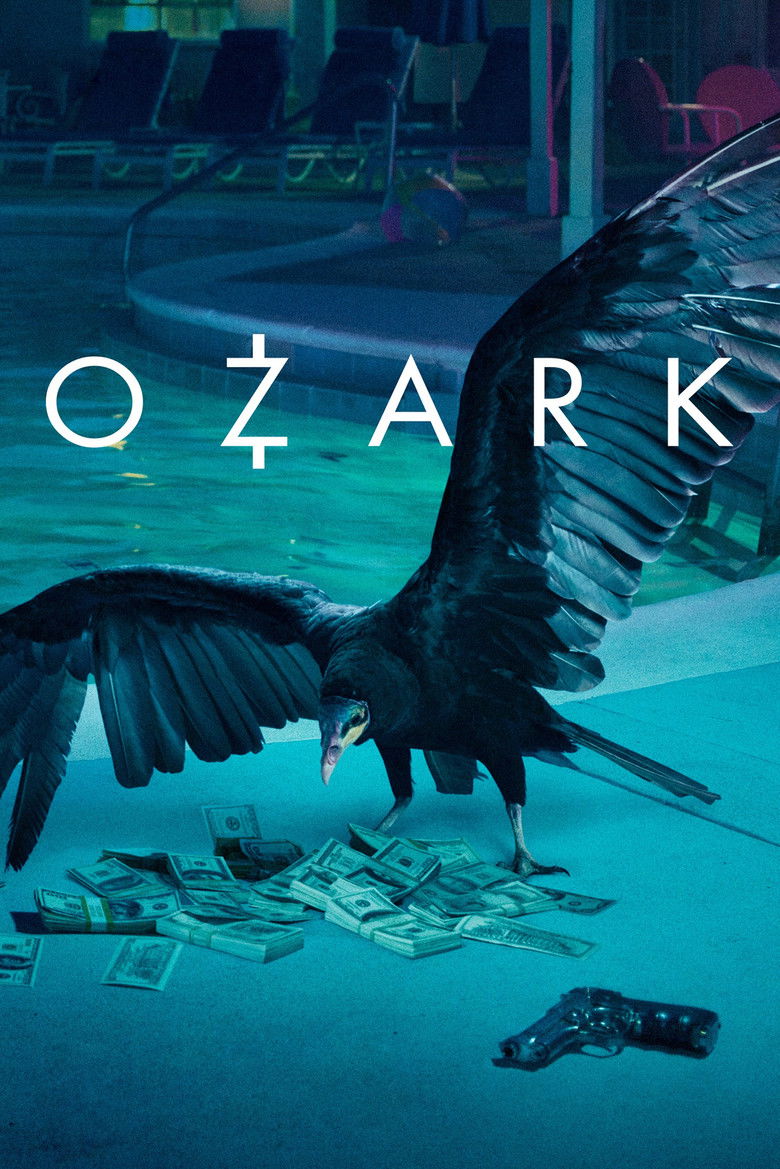
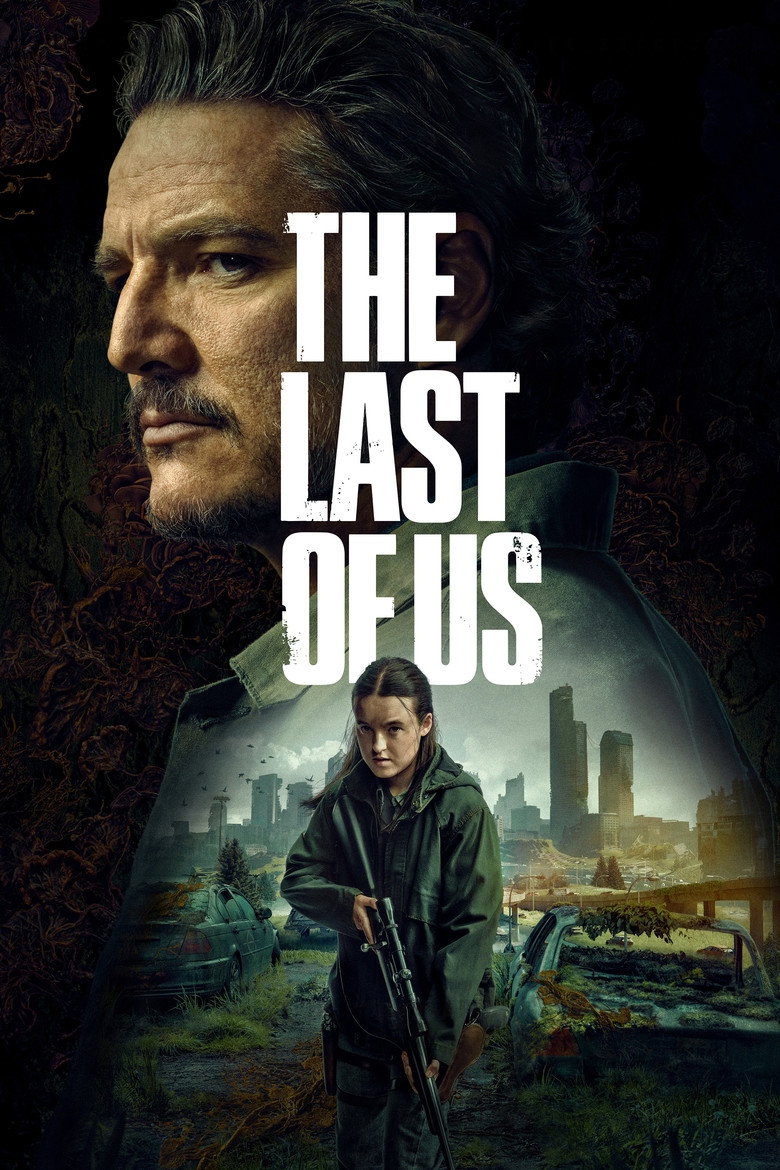
The Improv Trap: Why TV's Found Families Are Secretly Trauma Pacts
Barry, The Terror, Vox Machina, and Sense8 prove we crave fictional survival bonds to survive real-world isolation.
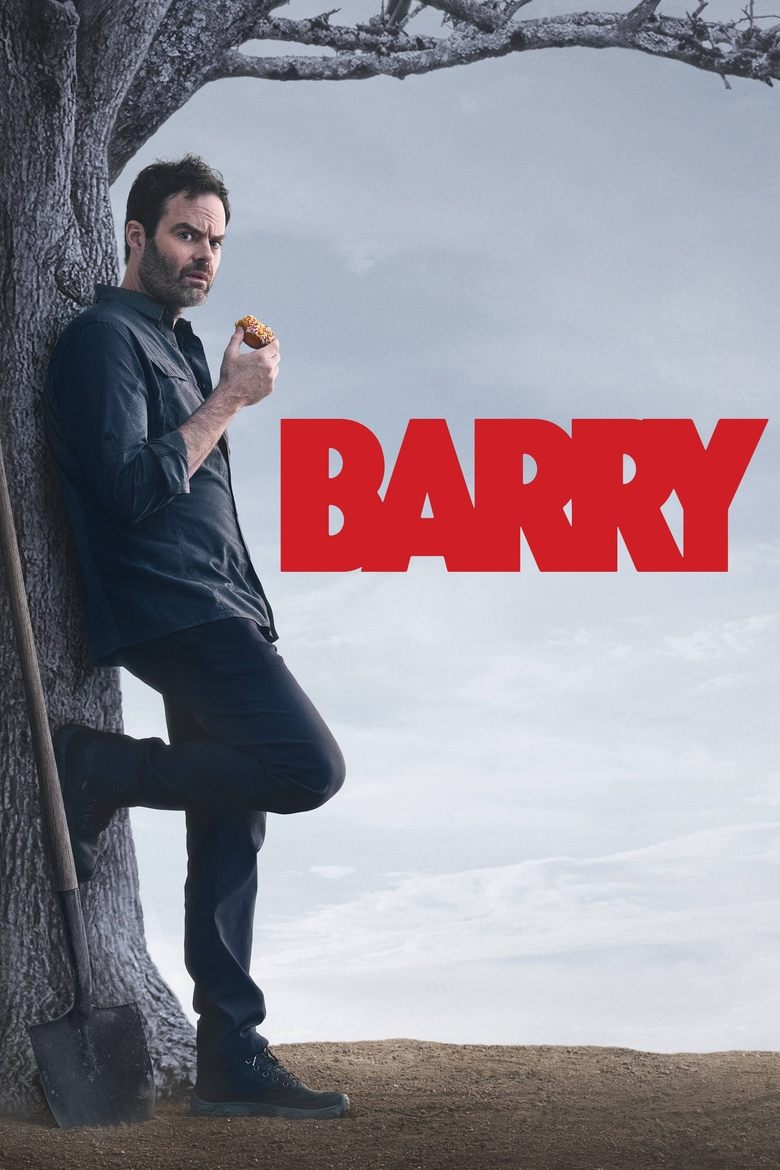
Television's 'Lone Wolf' archetype has plummeted to a 9-year low, with only 4% of 2025-26 premiere slates centering on a solitary hero who doesn't recruit a surrogate kin group by episode four. This statistical collapse isn't a creative accident; it's a diagnostic. Audiences have rejected the myth of the self-sufficient individual in favor of ensembles that function as pressure cookers for intimacy. When traditional social structures—religious institutions, stable employment, geographic communities—have eroded into precarity, TV has stepped in to simulate the intensity of belonging that real life no longer reliably provides. The result is a wave of series that weaponize unconventional premises, from assassin-improvisers to frozen Arctic crews, to strip characters of their defenses and force them into trauma bonds that masquerade as found family.
What TV's Surreal Crucibles Reveal About Modern Isolation
This analysis dissects how genre-bending television uses extreme environments to examine human resilience and the architecture of community. We are moving past the 'comfort' era of found family and into the 'survival' era, where connection is earned through shared peril and mutual vulnerability.
- Barry deconstructs the trope by placing a lethal outsider in a creative sanctuary, proving that belonging requires the surrender of violence.
- The Terror uses historical horror and institutional collapse to show how hierarchy dissolves into primal reliance.
- The Legend of Vox Machina gamifies loyalty, demonstrating that fantasy frameworks allow for the literal resurrection of bonds broken by trauma.
- Sense8 literalizes empathy through psychic connection, offering a radical blueprint for global solidarity that predates and predicts current trends.
The Improv Trap: Barry's Violent Deconstruction of Belonging
Barry stands as the sharpest forensic examination of found family on modern television because it refuses to let the trope exist without blood on its hands. The premise—an assassin from Kentucky accidentally discovers acting and tries to join a Los Angeles improv theater group—is inherently unstable, and Bill Hader's performance ensures that instability never resolves into neat comfort. Barry doesn't just find a family; he infiltrates a sanctuary with a pathogen. The Group Theatre scenes function as the show's moral center, yet the series relentlessly highlights how Barry's presence contaminates the vulnerability required for genuine art and connection. When Barry attempts to use his lethal skills to 'solve' production problems or protect his new friends, the show exposes the fundamental incompatibility between his trauma and the trust-based ecosystem of the theater.
What makes Barry essential viewing is how it treats resilience not as a triumphant emergence, but as a grueling maintenance of self against the gravity of one's past. Sally's (Sarah Goldberg) ability to perceive Barry's humanity even as he lies to her is the series' true emotional anchor. Her resilience is active; she chooses to see the actor over the killer, repeatedly, despite evidence to the contrary. The show argues that found family isn't about finding people who match your history; it's about finding people who demand you become someone better, even when you are actively trying to destroy them. The theater becomes a crucible where Barry must shed his lethal efficiency to learn the messy, inefficient language of emotional risk. This deconstruction aligns with the broader industry shift toward character-driven narratives that prioritize psychological autopsies over plot mechanics, a trend explored in depth in our analysis of Genre Television Is a Lie: Why Your Favorite Shows Are Secretly Autopsying Society.
When the Map Lies: The Terror and the Architecture of Shared Delirium
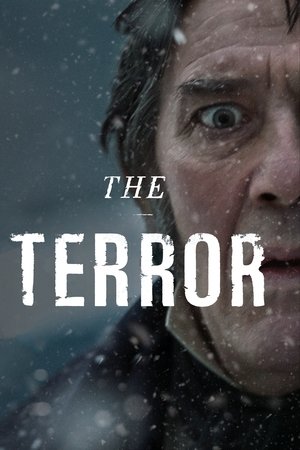
The Terror reimagines the found family dynamic through the lens of institutional collapse and supernatural dread, proving that community is often forged in the shared acknowledgment of inescapable doom. The Royal Navy's rigid class structure on the HMS Terror is the first casualty of the Arctic environment, forcing officers and enlisted men to rely on one another in ways that would be unthinkable in peacetime. The series' brilliance lies in how it uses the supernatural entity—the aurora borealis monster—not merely as a slasher antagonist, but as an accelerant for human paranoia. As the ice entombs the ship, the characters' resilience is measured by their willingness to share warmth, dwindling rations, and eventually, the same hallucinations that blur the line between sanity and survival.
The show's most potent moments occur when the hierarchy completely disintegrates, and the crew forms a desperate, egalitarian pact to endure. Sir Thomas Crozier's leadership evolves from imperial duty to a maternal, almost sacrificial guardianship of the men, illustrating how extreme environments strip away social performance and reveal the raw mechanics of care. The Inuit presence further complicates the dynamic, introducing a community that already possesses the resilience the British crew lacks, highlighting the arrogance of colonial isolation. The Terror argues that true belonging forms not in comfort, but in the collective delirium of facing a threat that no single individual can comprehend. The crew becomes a found family because they are the only witnesses to each other's unraveling; their bond is a shield against the absolute indifference of the natural world.
Dice Rolls and Blood Pacts: Vox Machina's Gamified Loyalty
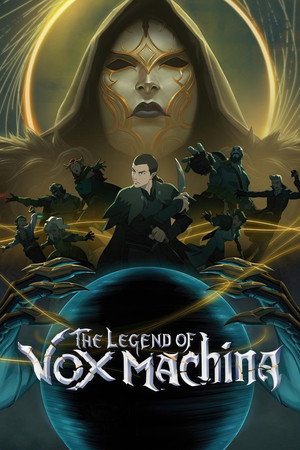
The Legend of Vox Machina weaponizes the mechanics of role-playing games to explore the durability of chosen kinship, demonstrating how fantasy frameworks can externalize the abstract risks of emotional commitment. Unlike grounded dramas, Vox Machina allows for literal death and resurrection, which paradoxically deepens the stakes of loyalty. When a character like Vax'ildan dies and returns, or when the party faces apocalyptic threats, the 'dice roll' becomes a metaphor for existential risk—what are you willing to gamble for your friends? The series excels in showing that found family isn't just about reconciliation after the battle; it's about the chaotic, messy friction of living together across continents and moral gray zones. Grog's childlike innocence contrasts with Scanlan's performative charm, creating a dynamic where each member fills a psychological void in the others, a structure that mirrors how real-world support groups often function.
The show's resilience theme is active and loud; the party survives because they have literally bet their lives on each other a thousand times. The fantasy setting strips away modern societal constraints, allowing these characters to define their own morality and support systems from scratch, a freedom that resonates deeply with audiences tired of prescribed social scripts. The 'Munchkin' arc and the resurrection of Vex showcase how the group processes trauma collectively rather than individually. There is no solitary healing journey in Vox Machina; grief is shared, celebrated, and weaponized as a group. This gamified approach to resilience suggests that audiences are increasingly drawn to narratives where the rules of survival are explicit and the rewards for cooperation are tangible. It reflects a desire for transparency in relationships, where the 'stats' of loyalty are visible and the consequences of betrayal are immediate.
The Neural Network of Empathy: Sense8's Radical Architecture
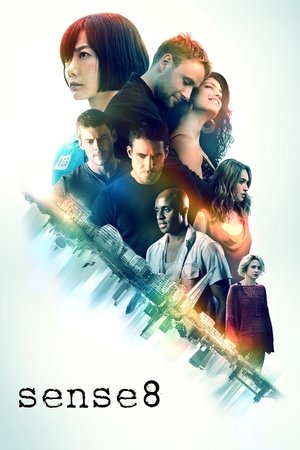
Sense8 represents the most radical structural experiment in found family television, predating the current trend of hyper-ensembles by over a decade and offering a blueprint for connection that feels prophetic in an age of digital atomization. By linking eight strangers across the globe through a shared consciousness, the show literalizes the concept of empathy. The resilience of the cluster is tested not by a single villain, but by the systemic oppression they each face in their respective cultures—police brutality, corporate exploitation, political persecution, and religious fanaticism. The show argues that connection is a survival skill; when one member falls, the others feel it physically and emotionally. The climax, where the cluster sacrifices themselves to save each other from the Whispers, stands as one of television's most unambiguous statements on the value of collective life over individual survival.
Sense8's premise strips away geography, language, and biology, reducing human interaction to pure emotional transmission. The 'all alone, together' motif isn't a tagline; it's the show's central thesis. In an era where we are more connected than ever yet increasingly isolated, Sense8 offers a fantasy of total accessibility—the idea that no one is ever truly alone because the network of belonging exists within our own minds. The show's cancellation and subsequent fan-driven revival also mirror the very themes it explores: a found family that refused to die, sustained by the collective will of its community. Sense8 proves that the most compelling found families are those that challenge the very definition of self, suggesting that resilience is not a solitary trait but a distributed network of strength.
The Audience's Hunger: Why We Crave Fictional Survival Pacts
The dominance of these narratives reveals a profound shift in audience psychology. We no longer watch television for escapism; we watch for simulation. Real-world community building is slow, fraught with ambiguity, and often lacks the dramatic stakes that force vulnerability. TV's surreal crucibles provide a compressed experience of intimacy, where characters are forced to reveal their true selves in minutes rather than years. This 'pressure cooker' model of storytelling satisfies a deep hunger for connection that modern life fails to provide. As explored in The Last of Us vs. Only Murders: TV's Character Wars, audiences are prioritizing emotional resonance over spectacle, demanding that high-concept premises serve the human need for belonging.
Moreover, the success of these shows indicates a rejection of the 'hero's journey' in favor of the 'community's journey.' The lone protagonist is no longer aspirational; they are lonely. Audiences recognize that resilience in the 2020s is not about individual grit but about the ability to build and maintain support networks in a fragmented world. The found family has become the new myth, replacing the hero as the central archetype of our cultural imagination.
Prediction: The Death of the Solitary Protagonist
Looking forward, the solitary protagonist is effectively dead. Even shows that begin with a lone character will inevitably expand into ensemble dynamics, or they will fail to retain audiences. The next evolution of found family television will likely be the 'Fractured Cluster,' where series explore the deliberate disintegration of these bonds to reflect our anxiety about maintaining connections in a polarized world. We will see more shows that question the sustainability of trauma bonds, moving beyond the celebration of found family to examine its limitations and the work required to keep it alive. The era of the passive spectator is over; we demand narratives that mirror the active, difficult, and essential work of building community in real life.
Editor's Verdict
Barry's Season 4, Episode 6 "Just the Two of Us" delivers the most devastating critique of performative goodness in television history, proving that the show understands the cost of redemption better than any prestige drama since The Sopranos. Barry earns an 8.5 for its surgical deconstruction of the found family trope and Bill Hader's commitment to Barry's pathetic humanity, though it loses points for the third-act narrative detour in Season 3 that momentarily diluted the show's razor-sharp focus.
FAQ
What is the difference between found family and traditional family in TV shows?
Found family refers to groups of unrelated characters who form deep, familial bonds through shared experiences, often in high-stakes or unconventional environments, whereas traditional family dynamics are based on blood relations or legal ties. Found family tropes emphasize chosen connection and mutual resilience.
Why are genre shows like horror and sci-fi popular for found family stories?
Genre settings provide extreme environments that strip away social pretenses and force characters to rely on one another for survival. This accelerates character development and creates intense emotional bonds that might take years to form in realistic settings.
How does Barry deconstruct the found family trope?
Barry places a violent assassin into a creative theater group, highlighting the incompatibility between his trauma and the vulnerability required for genuine connection. The show explores how trying to join a found family can endanger it, offering a nuanced critique of performative goodness.