When TV Becomes Therapy: Dissecting the Psychological Thriller Craze
Pure genre is dead; modern television's most acclaimed shows are now elaborate psychological autopsies, mirroring our anxieties back at us.

The era of pure genre storytelling is dead; what we're actually watching is therapy disguised as entertainment, and if you think otherwise, you're missing the point entirely. Modern television has evolved beyond mere escapism or plot mechanics, transforming into a collective psychological autopsy of the human condition. What once served as distinct categories—crime thrillers, speculative fiction, family dramas—are now merely elaborate stage sets for intense character studies, where the true conflict rages within the protagonist's crumbling psyche rather than solely in external events. This isn't a flaw; it's the defining characteristic of prestige television in 2026. Audiences aren't seeking clear-cut heroes or villains; they're craving mirrors that reflect their own complex moral landscapes and the relentless pressures of systemic forces. The best shows understand that the most compelling mysteries aren't about whodunit, but what is this doing to them? They dissect identity under duress, expose the corrosive nature of compromise, and leave us wondering how much of ourselves we'd sacrifice for survival or success. This cultural shift reflects a deeper societal need to process the pervasive moral ambiguity and institutional distrust that define our contemporary world. We seek narratives that validate the messy, internal battles we face, where personal identity is constantly renegotiated under the weight of external pressures and internal demons.
Exploring TV's Deep Dive into Psychological Drama and Moral Complexity
- Ozark's Blue-Filtered Soul: The Price of Adaptation
- Severance's Corporate Amnesia: The Schizophrenia of Modern Work
- Mr Inbetween's Brutal Empathy: Navigating the Moral Grey
- Broadchurch's Echoing Grief: Community Trauma as Personal Unraveling
- 11.22.63's Temporal Burden: The Cost of Rewriting History
The Labyrinth of the Self: Why Genre is the New Couch
We live in an age of pervasive anxiety, where the lines between personal responsibility and systemic failure are constantly blurred. It's no surprise, then, that television has adapted, offering narratives that externalize these internal battles through genre frameworks. These aren't just thrillers; they're existential inquiries. They aren't just dramas; they're deep dives into the moral compromises we make every day. The genre elements—the drug cartel, the dystopian workplace, the hitman's code, the small-town murder, the altered past—become intensified lenses through which we examine the true cost of navigating high-stakes environments. The real monsters aren't always external threats; often, they're the reflections staring back from the characters' own fractured identities, warped by loyalty, trauma, and ethical concessions. The appeal lies in witnessing protagonists wrestle with impossible choices, forcing viewers to implicitly ask, "What would I do?" This active engagement transforms passive viewing into an almost therapeutic exercise, helping us grapple with our own anxieties about moral decay and institutional overreach. We're not just watching stories unfold; we're participating in a collective psychological processing of the pressures that define our lives, from corporate demands to personal ethical quandaries.
Ozark's Blue-Filtered Soul: The Price of Adaptation

No show embodies this psychological genre-bending quite like Ozark. On its surface, it's a brutal crime thriller about a financial advisor, Marty Byrde, laundering money for a Mexican cartel. Dig deeper, however, and you'll find a harrowing character study of a man whose meticulous, calculating facade barely conceals an ocean of moral decay. Jason Bateman's stoic performance as Marty is a masterclass in controlled desperation; his internal monologue, often unspoken but palpable, is one long, excruciating cost-benefit analysis of his soul. He consistently rationalizes every horrific decision as a means to an end, a survival mechanism for his family, yet the viewer watches as his soul slowly calcifies. The show’s distinctive blue-grey cinematography isn't just a stylistic choice; it's a visual metaphor for the psychological coldness and moral desolation that pervades every aspect of the Byrde family’s life in the Ozarks. Every decision Marty makes, every life he manipulates, chips away not just at his freedom, but at his very humanity, and that of his family. Consider the chilling sequence in Season 2 where Marty orchestrates a money-laundering scheme using a riverboat casino; the precision of his logic is terrifying because it's devoid of ethical consideration, a pure application of intellect to depravity. Wendy Byrde’s transformation, arguably the show's most compelling arc, moves from reluctant accomplice to ruthless pragmatist, demonstrating the insidious power of systemic pressure to corrupt even the most steadfast moral compass. Her journey into outright villainy, especially in later seasons, reveals a woman who discovers a terrifying aptitude for power and manipulation, exceeding even Marty's cold pragmatism. The Byrde children, Charlotte and Jonah, are not spared either, forced to confront and eventually participate in their parents' criminal enterprise, their innocence irrevocably shattered. The Byrde family isn't just surviving a cartel; they're battling the erosion of their collective identity, constantly renegotiating their ethical boundaries until they cease to exist. Their high-stakes environment is a relentless crucible, forcing them to confront how far they will go to protect their own, blurring the lines between victim and perpetrator until the distinction is meaningless. This relentless examination of moral ambiguity makes Ozark far more than just a crime drama; it's a profound exploration of human corruption and resilience, showing how institutional decay, whether familial or criminal, becomes an internal state. For more on the nuanced demands of such narratives, see our article on Why Moral Ambiguity Isn't Enough: The Real Anatomy of Prestige TV.
Severance's Corporate Amnesia: The Schizophrenia of Modern Work
Severance takes the concept of identity fragmentation to its most chilling, literal extreme, presenting a speculative fiction premise that is, at its core, a psychological horror of the modern workplace. The titular procedure divides an employee's memories between their work self ("Innie") and their home self ("Outie"), creating two distinct consciousnesses inhabiting the same body. This isn't just a high-concept sci-fi hook; it's a brilliant, unsettling metaphor for the pervasive disconnect many feel between their professional and personal lives, amplified to a terrifying degree. Adam Scott's dual performance as Mark Scout, the grieving Outie and the awakening Innie, is exceptional, portraying the profound alienation of a man literally at war with himself. The show meticulously builds a claustrophobic, retro-futuristic world within Lumon Industries, where the Innie's existence is one of baffling, bureaucratic absurdity and existential dread. The systemic pressures here are psychological, not just physical. Lumon, as an institution, doesn't just demand loyalty; it demands an entire segment of your consciousness. The very architecture of the Lumon offices, with its endless white hallways and sterile cubicles, visually reinforces the mind-numbing, identity-erasing nature of the work. The narrative brilliantly uses the sci-fi genre to dissect trauma, loyalty, and the insidious ways corporate structures can exploit and redefine personal identity. The Innies' slow, painful awakening to their fragmented existence is a visceral representation of the human drive for wholeness, even when faced with overwhelming systemic forces designed to keep them compartmentalized. The performance of Britt Lower as Helly R., an Innie desperately trying to escape, encapsulates the core psychological struggle: the innate human desire for agency and self-determination pitted against an all-powerful corporate machine. Her repeated, brutal attempts to resign, only to be forced back into her Innie existence, are some of the most viscerally unsettling moments in recent television. Severance isn't just a thrilling mystery; it's a searing indictment of work-life balance pushed to its dystopian conclusion, making it a prime example of Why High-Stakes TV Is Actually a Workplace Horror Genre. It's a show that forces us to confront the very definition of consciousness and autonomy in an increasingly corporate world.
Mr Inbetween's Brutal Empathy: Navigating the Moral Grey

Ray Shoesmith, the protagonist of the Australian gem Mr Inbetween, is perhaps the most disarmingly complex character on television. Ostensibly a crime dramedy about a hitman, the show quickly sheds its genre skin to reveal an intimate, deeply human psychological study of a man trying to balance the brutally pragmatic demands of his profession with the mundane, emotional realities of fatherhood, friendship, and romance. Scott Ryan, who also created and wrote the series, inhabits Ray with an unparalleled authenticity, portraying a man capable of chilling violence one moment and tender vulnerability the next. Ray's moral ambiguity isn't a performative anti-heroic stance; it's a genuine struggle to reconcile his inherent empathy with the necessities of his dangerous life. His blunt, often darkly humorous observations on human nature are both cynical and profoundly insightful, offering a window into a mind constantly processing the absurdities of life and death. The series excels in its quiet moments, where Ray grapples internally with his choices, demonstrating how even a hardened criminal can be tormented by a desire for normalcy and decency. Consider the episode where Ray has to collect a debt from a struggling single mother; his internal conflict is palpable, and the way he ultimately resolves it, a blend of harsh justice and surprising compassion, speaks volumes about his fractured moral code. The "systemic pressures" for Ray aren't just criminal syndicates; they're the societal expectations of a loving partner, a protective father, and a reliable friend, all while maintaining a secret life that demands he be anything but. He constantly has to compartmentalize, shifting from executioner to caring dad in a heartbeat, a psychological gymnastics that would break a lesser character. The show’s episodic, slice-of-life structure allows for a granular exploration of these daily ethical compromises, eschewing grand plot arcs for a raw, unfiltered look at a man trying to be "good" in a profession that demands "bad." Mr Inbetween forces us to confront the uncomfortable truth that morality isn't always black and white, and that sometimes, the most brutal acts can be performed by characters we come to understand, even empathize with, on a deeply human level. It's a masterclass in depicting the psychological toll of leading a double life, without resorting to grand theatrics.
Broadchurch's Echoing Grief: Community Trauma as Personal Unraveling

While ostensibly a police procedural focused on a child's murder, Broadchurch quickly transcends its genre constraints to become a searing, emotionally raw psychological exploration of grief, suspicion, and community trauma. The true brilliance of the series lies not just in the "whodunit," but in its meticulous, almost surgical examination of what it does to everyone involved. The murder of young Danny Latimer sends shockwaves through the tight-knit coastal town, ripping apart the fabric of trust and exposing the hidden anxieties and secrets lurking beneath the idyllic surface. David Tennant's Detective Inspector Alec Hardy, a transplant to Broadchurch carrying his own professional and personal baggage, and Olivia Colman's Detective Sergeant Ellie Miller, a local whose world is shattered by the crime and the subsequent suspicion, form a compelling psychological duo. Hardy's prickly, guarded demeanor clashes with Miller's deeply personal connection to the victim's family, creating a dynamic tension that highlights the different ways trauma manifests and is processed. The series masterfully portrays how grief isn't a singular emotion but a corrosive force that splintered the Latimer family, turning parents against each other, and making every town resident a suspect. The psychological pressure exerted by the investigation doesn't just fall on the detectives; it permeates the entire community, transforming a scenic backdrop into a crucible of paranoia and accusation. Scenes of town meetings or casual conversations are imbued with an almost unbearable weight, as every glance and every word carries the potential for judgment or revelation. The show delves into the long-term psychological impact of such an event, demonstrating how hidden truths and systemic failures (within the police force, within the family unit) can unravel personal relationships and identity with devastating consequences. It's a profound look at how a single tragedy can collectively shatter a community's sense of self, leaving behind a landscape of fractured trust and enduring psychological scars. It’s a compelling example of how a seemingly straightforward crime narrative can become a canvas for deep emotional and social commentary, akin to the detailed social ecosystems explored in The Ensemble Crucible Scorecard: Ranking TV's Best Social Ecosystems.
11.22.63's Temporal Burden: The Cost of Rewriting History
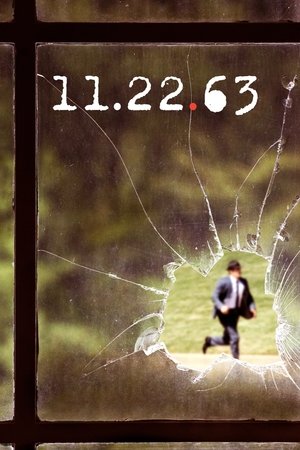
Stephen King's 11.22.63, adapted into a compelling miniseries, isn't just a time-travel thriller; it's a profound psychological exploration of responsibility, fate, and the seductive danger of playing God. Jake Epping, a high school English teacher, is tasked with going back in time to prevent the assassination of John F. Kennedy. What sounds like a heroic mission quickly devolves into a monumental psychological burden. James Franco's portrayal of Jake captures the escalating weight of this impossible task. The "past" itself becomes a formidable, almost sentient antagonist, actively resisting change, creating obstacles, and fighting back against Jake's alterations. This isn't just a narrative device; it's a brilliant externalization of Jake's internal conflict: the hubris of believing one can fix history versus the terrifying, unpredictable consequences of tampering with the timeline. Every small alteration, every life he touches, introduces a ripple effect that complicates his mission and torments his conscience. The moral ambiguity isn't about if he should save JFK, but what price he, and the world, will pay for it. His identity becomes inextricably linked to this secret mission, forcing him to live a double life, constantly aware of the fragility of the reality around him. The love story that blossoms within this high-stakes environment serves to heighten the psychological stakes, as Jake must constantly choose between his personal happiness in an altered past and the monumental task of changing history. The series masterfully builds a sense of claustrophobia despite its vast temporal scope, as Jake is trapped by his purpose, constantly battling an unseen force that pushes back against his every move. This inherent tension, where the very fabric of reality is an opponent, makes 11.22.63 a gripping character study about the profound psychological toll of carrying the weight of the world's past and future on one's shoulders. It forces us to consider the ethical compromises inherent in even the most noble intentions when faced with the unknown variables of causality.
The Echo Chamber of Empathy: Why Audiences Are Glued
The common thread weaving through Ozark, Severance, Mr Inbetween, Broadchurch, and 11.22.63 is their unwavering commitment to the interior landscape of their characters. These shows recognize that in an era of information overload and existential uncertainty, audiences aren't looking for simple answers or predictable heroes. They're seeking understanding, a reflection of the complex, often contradictory impulses that define modern life. We are drawn to characters like Marty Byrde, Mark Scout, Ray Shoesmith, Alec Hardy, and Jake Epping because their struggles, though extreme, resonate with our own daily negotiations of ethics, loyalty, and self-preservation. We see the absurdity of corporate demands, the agony of moral compromise, the devastating ripple effect of trauma, and the crushing weight of responsibility played out in narratives that are both thrillingly original and deeply, uncomfortably familiar. This isn't just entertainment; it's a form of collective introspection, a way to process the anxieties of our own fractured world through the lens of meticulously crafted, psychologically rich storytelling. The genre provides the vehicle, but the destination is always the human psyche under pressure.
The Future of Fractured Selves: A Prediction
This trend of psychological genre-blending is not a passing fad; it's the new standard for prestige television. As our world becomes increasingly complex, fragmented, and demanding, so too will our stories. We will see even bolder experiments in narrative structure and character deconstruction, pushing the boundaries of what a television series can achieve. Creators will continue to use the scaffolding of established genres—be it sci-fi, crime, or historical drama—to hang ever more intricate tapestries of internal conflict, moral decay, and the relentless search for identity in an overwhelming world. Expect more shows that challenge the very notion of a coherent self, more protagonists navigating impossible ethical labyrinths, and more narratives that privilege the why and how of psychological unraveling over simplistic plot resolutions. The days of clear-cut heroes and villains are truly behind us. The future of TV lies in the nuanced, messy, and profoundly human exploration of the self under siege. Like this post if you agree, or even if you just need some good TV to help you process your own existential dread.
Editor's Verdict
Ozark is not just a crime thriller; it’s a masterclass in demonstrating the insidious, relentless corrosion of the human soul under extreme duress, particularly in how it charts Wendy Byrde's terrifying descent into ruthless pragmatism. While its finale left some narrative threads too neatly tied for my taste, the sheer psychological intensity and the performances (especially Julia Garner and Laura Linney) earned its high marks.
Editor's Rating: 8/10
FAQ
What is psychological genre-blending in television?
Psychological genre-blending is a modern storytelling approach where traditional genre frameworks (e.g., sci-fi, crime thriller) serve as a backdrop for intense character studies focused on the protagonists' internal conflicts, moral ambiguity, and the psychological impact of high-stakes environments.
Why are audiences drawn to psychologically complex TV shows now?
Audiences are drawn to these shows because they mirror contemporary anxieties about systemic pressures, moral compromises, and the fragmentation of identity in an increasingly complex world. These narratives offer a way to process difficult themes through engaging, high-stakes storytelling.
Does this trend mean the end of traditional genres?
No, it doesn't mean the end of traditional genres. Instead, it signifies an evolution where genres are used more as structural foundations or thematic lenses to explore deeper psychological and philosophical questions, enriching the storytelling rather than replacing it.