Genre Television Is a Lie: Why Your Favorite Shows Are Secretly Autopsying Society
From cybernetic dystopias to workplace comedies, modern TV uses genre conventions to dismantle institutional power. Here’s why you’re watching for the wrong reasons.
Genre television is a dead end, and your obsession with sci-fi, fantasy, and procedural labels is actively blinding you to the only thing that actually matters: systemic critique. I don't care if your show has dragons, cybernetic implants, or a precinct sitcom setup—the moment a series stops using its aesthetic to dissect the machinery of power, it becomes background noise. We’ve been sold a bill of goods by studio marketing departments that treat "high concept" as a virtue, when in reality, the most culturally vital television of the last decade has weaponized genre conventions to expose societal rot. You think you're watching a cop show or a dystopian anime, but you're actually watching an autopsy of late-stage capitalism, institutional failure, and the commodification of human connection. If you're still defending a series for its lore or its production budget while ignoring its political subtext, you've already lost the argument.
What Makes a TV Show Actually Matter in 2026?
- Cyberpunk: Edgerunners and the brutal economics of survival
- Brooklyn Nine-Nine and the workplace as a psychological pressure cooker
- MINDHUNTER and the institutionalization of violence
- Black Mirror and the erosion of digital consent
- Anansi Boys and the reclamation of marginalized mythologies
Anatomy of a Cybernetic Tradgety
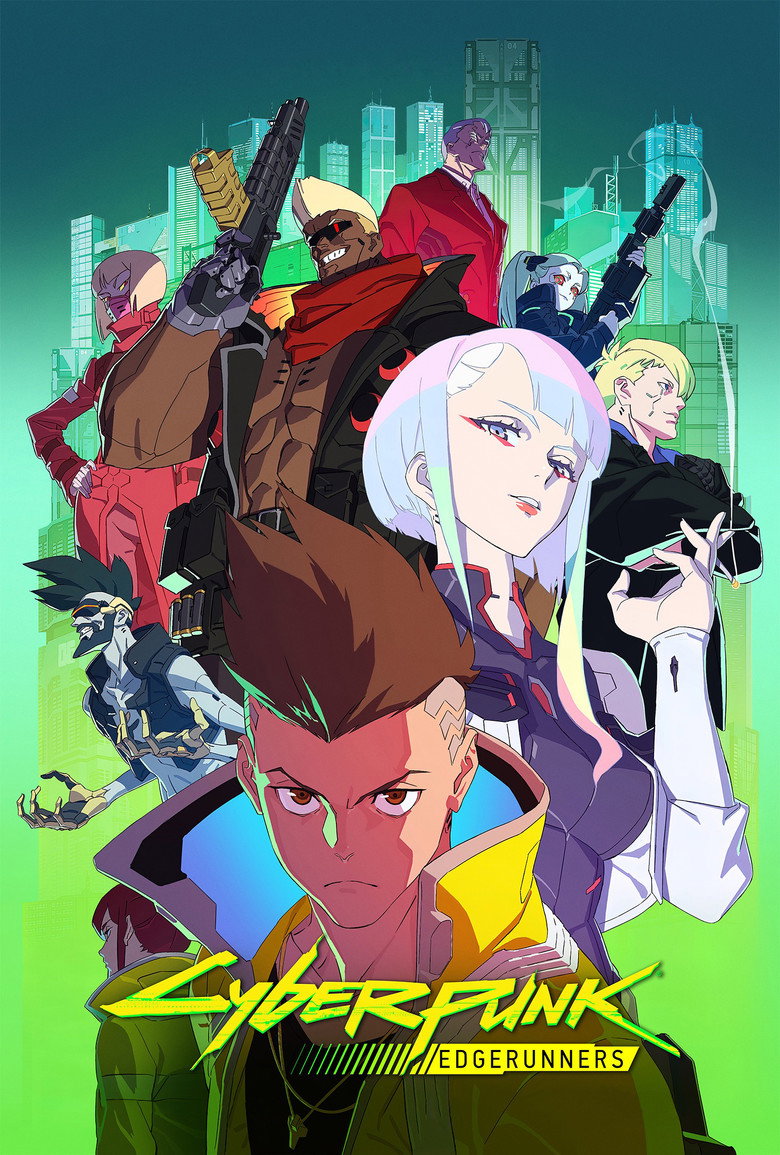
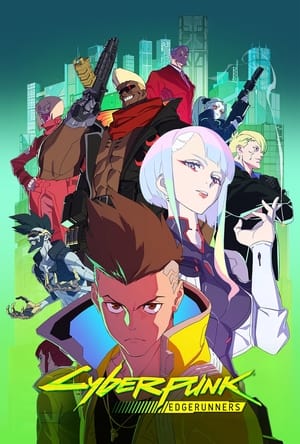 Studio Trigger's adaptation of Cyberpunk: Edgerunners isn't just a neon-soaked action spectacular; it's a ruthless indictment of a society that monetizes human potential until there's nothing left to harvest. The show deliberately bypasses the seductive allure of "cool" cybernetics to focus on the biological and psychological attrition of living in Night City. When David Martinez undergoes his first major augmentation, the series doesn't celebrate his power-up—it frames the chrome as a parasitic infection that accelerates his terminal decline. This is a direct subversion of the traditional sci-fi protagonist arc, where technology serves as an equalizer. Instead, the technology is a leash. The episode where David and Kiwi engage in the underground fighting rings isn't about triumph; it's a visceral demonstration of how the city's lower rungs are forced to cannibalize each other for scraps of corporate currency. By refusing to let David escape the gravity well of Arasaka's control, the series argues that in a hyper-capitalist framework, rebellion is merely another product to be marketed and eventually liquidated. The final episode's tragic resolution isn't a failure of execution—it's the only logically consistent conclusion to a world that has already priced out hope. The show’s relentless pacing and abrasive color palette mirror the economic velocity of its setting, ensuring the viewer never gets comfortable enough to romanticize the violence. Even the supporting cast, like Falco, serves as a cautionary tale about the psychological fragmentation required to survive in an economy that values chrome over conscience.
The Myth of the Cozy Workplace
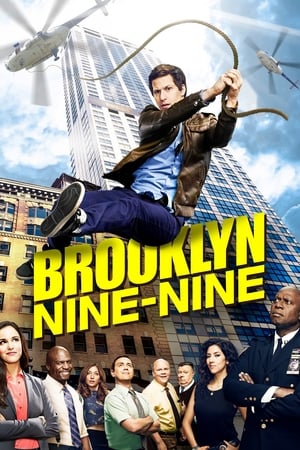 Everyone remembers Brooklyn Nine-Nine for its rapid-fire jokes and ensemble chemistry, but that's a superficial read that completely misses the show's structural brilliance. Beneath the sitcom veneer lies a sophisticated dismantling of institutional incompetence and the performative nature of policing. The show consistently uses the precinct's absurd bureaucracy to highlight how systemic barriers stifle actual justice. Consider the recurring friction with Captain Holt's superiors—these aren't just punchlines; they are acute observations of how marginalized voices are systematically gaslit by administrative red tape. When Jake Peralta's maverick methods inevitably clash with protocol, the narrative doesn't romanticize rule-breaking; it demonstrates how the system punishes competence to maintain the illusion of control. The series weaponizes comedy to lower the audience's defenses, allowing it to smuggle in sharp critiques of racial profiling, union stagnation, and the commodification of police work. As we explored in High-Concept TV Is a Lie: Why Workplace Dramas Are the Real Prestige, the office and the precinct are perfect microcosms for examining power dynamics. The famous Halloween Heists, often dismissed as fan service, actually function as a metaphor for how institutions gamify labor to distract employees from deeper structural failures. By the time the finale addresses the broader societal reckoning with law enforcement, the groundwork has already been laid over eight seasons of seemingly lighthearted procedural work. It proves that you don't need grimdark aesthetics to tackle institutional failure; you just need a sharper pen and the courage to let the jokes land before delivering the thesis.
Psychological Autopsies and the Banality of Evil
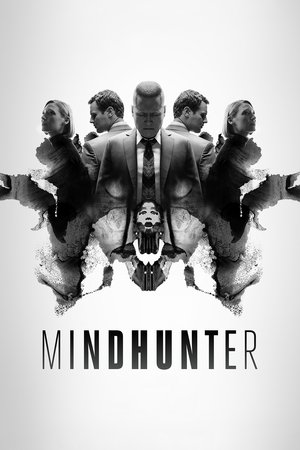 David Fincher’s MINDHUNTER abandons the pulpy thrills of traditional procedural television to deliver a chilling study on how the state institutionalizes and sanitizes mass violence. The series isn't really about catching killers; it's about the bureaucratic machinery that absorbs psychological horror and turns it into a manual for management. Holden Ford's descent into obsessive profiling isn't framed as heroic deduction—it's portrayed as a dangerous contamination, where the investigator begins to mirror the pathology he's trying to catalog. The interview sequences with real-life serial killers, delivered with Fincher's trademark clinical detachment, strip away the sensationalism that usually accompanies true crime. Instead, we're forced to sit in the uncomfortable silence of banal evil, watching how ordinary men rationalize their atrocities through twisted ideological frameworks. The show’s second season masterfully expands this critique by juxtaposing the FBI's internal power struggles with the external threat of right-wing militias, arguing that the real danger isn't the lone wolf in the woods, but the systemic rot festering within the halls of power. By refusing to provide neat resolutions or moral victories, the series forces viewers to confront the uncomfortable reality that understanding evil doesn't necessarily prevent it—it just gives the state a more efficient way to manage it. The deliberate, slow-burn pacing and the stark, desaturated color grading force the audience to lean in, making the psychological dissection as terrifying as any on-screen murder.
Technological Paranoia and the Death of Privacy
 The cultural conversation around Black Mirror has largely devolved into a debate about whether its predictions were too optimistic or too pessimistic, which completely misses the point. The anthology's enduring relevance isn't tied to its technological forecasting; it's rooted in its unflinching examination of how human nature instantly corrupts any system designed to optimize connection or convenience. Episodes like "Nosedive" and "Fifteen Million Merits" don't rely on dystopian scenery to land their punches—they weaponize familiar social dynamics to show how quickly empathy collapses under the weight of quantifiable metrics. The series consistently argues that technology isn't the villain; it's merely an accelerant for pre-existing societal pathologies like status anxiety, performative activism, and the commodification of attention. When the show explores artificial consciousness or digital afterlives, it’s not pondering the future of AI—it’s dissecting our current inability to process grief without outsourcing it to a server. The recent seasons have faced criticism for tonal shifts, but that’s a symptom of the exact cultural fragmentation the show has been diagnosing for a decade. Black Mirror remains essential viewing not because it tells us what to fear, but because it holds up a funhouse mirror to the compromises we make daily for digital convenience. Its standalone format allows it to surgically isolate different facets of modern anxiety, proving that the scariest technology is the kind we already carry in our pockets and willingly surrender our autonomy to.
When Folklore Stops Being Whimsical
 Neil Gaiman’s Anansi Boys risks being dismissed as another cozy fantasy adaptation, but its true cultural contribution lies in its reclamation and modernization of West African and Caribbean mythological frameworks. The series cleverly subverts the typical "chosen one" narrative by centering on Freddy, a disillusioned English schoolteacher thrust into a supernatural lineage he never asked for. Instead of leaning into mystical grandeur, the show grounds its mythological elements in themes of inherited trauma, cultural displacement, and the generational echoes of colonialism. The representation of Anansi not as a distant deity, but as a flawed, politically complex figure navigating a modern world, strips away the exoticization that usually plagues fantasy adaptations. The narrative structure deliberately avoids neat resolutions, forcing the characters to confront how historical sins continue to dictate contemporary identities. By weaving folklore into a contemporary British setting, the series argues that mythology isn't a relic of the past—it's a living language that marginalized communities use to navigate systemic erasure. The show’s willingness to embrace ambiguity over spectacle makes it a vital entry in the conversation about how genre television can authentically center diasporic experiences without resorting to trauma porn or cultural appropriation. It proves that fantasy doesn't need to escape reality to be meaningful; it can illuminate it by reframing ancient stories through the lens of modern displacement and identity formation.
Dismantling the "Entertainment First" Counterargument
Critics will inevitably argue that reducing television to political commentary strips the medium of its primary function: escapism. They’ll point to the lighthearted ensemble dynamics of a show like Brooklyn Nine-Nine or the mythological wonder of Anansi Boys as proof that audiences simply want to be entertained, not lectured. This is a false dichotomy built on a fundamental misunderstanding of how narrative engagement works. Escapism isn't the absence of substance; it's the presence of a compelling framework that allows viewers to process real-world anxieties in a controlled environment. When a show uses genre conventions effectively, it doesn't lecture—it immerses. The reason these series have maintained cultural relevance years after their initial broadcasts is precisely because they refuse to separate entertainment from critique. You don't watch Cyberpunk: Edgerunners to see cool bike chases; you watch it to experience the visceral terror of economic precarity through a narrative that never lets you look away. Pretending that genre is a barrier to meaningful storytelling is a snobbish position that ignores the allegorical power of speculative fiction and the subversive potential of sitcom structure. The best shows trust their audience to enjoy the spectacle while simultaneously recognizing the machinery driving it.
The Final Tally: Why Genre Is Just a Trojan Horse
The trajectory of contemporary television proves that genre is never just a backdrop—it’s a diagnostic tool. Whether we're examining the institutional rot in MINDHUNTER, the economic cannibalism of Cyberpunk: Edgerunners, or the bureaucratic absurdity of Brooklyn Nine-Nine, the pattern is undeniable. The most enduring shows of our era treat their aesthetic frameworks as pressure cookers, using high-concept premises to force characters—and audiences—confront uncomfortable truths about power, identity, and systemic failure. As streaming platforms continue to flood the market with algorithmic content, these series stand out because they trust the intelligence of their viewers. They understand that we don't watch television to forget the world; we watch it to understand how the gears turn. The future of quality television doesn't belong to the shows that hide behind spectacle, but to the ones that use spectacle to reveal the machinery underneath.
Editor's Verdict
Episode 7 of Cyberpunk: Edgerunners contains the most devastating critique of late-stage consumerism ever committed to animated television, surpassing even the original Blade Runner films in its raw emotional impact because it centers the working-class sacrifice rather than corporate espionage. I rate it a 9/10. It loses a single point because its reliance on Cyberpunk 2077 video game lore creates an accessibility barrier for uninitiated viewers, occasionally prioritizing fan service over universal clarity. However, it earns its nine through unflinching narrative consistency, masterful visual storytelling that translates kinetic action into emotional weight, and a refusal to offer a hollow victory. It is a perfect tragedy disguised as a summer blockbuster.
FAQ
Why do critics argue that genre television is more than just escapism?
Critics argue that genre conventions like sci-fi, fantasy, and procedural structures serve as allegorical frameworks. These frameworks allow creators to examine real-world systemic issues like economic inequality, institutional corruption, and cultural displacement in a controlled, immersive environment that lowers audience defenses.
How does Brooklyn Nine-Nine use comedy to critique policing?
Brooklyn Nine-Nine uses workplace sitcom tropes to highlight bureaucratic incompetence, the performative nature of law enforcement, and how systemic barriers stifle actual justice. By framing institutional failures as comedic obstacles, the show delivers sharp critiques of policing without relying on grimdark aesthetics.
What makes Black Mirror relevant beyond its technological predictions?
Black Mirror's relevance stems from its examination of how human nature corrupts systems designed for convenience or connection. Rather than focusing solely on futuristic tech, the show uses technology as an accelerant for pre-existing societal pathologies like status anxiety, performative activism, and the commodification of attention.