Recursion vs. Midnight Library: Which 'What If' Wins?
When books offer doorways to alternate lives, do we find comfort in acceptance or challenge in chaos? We compare four titles that twist identity and fate.
What if every regret, every road not taken, wasn't a dead end but a doorway to another life? In the best speculative fiction, these thresholds offer not just escape, but profound self-reckoning, forcing us to confront the choices that define us. As readers, we yearn to understand the intricate machinery of our own existence, and few literary devices are as potent as the 'second chance' narrative to peel back the layers of identity and choice. This August 2026, we’re seeing a fascinating surge in books that promise glimpses into these alternate realities, asking us to ponder not just 'what if,' but 'who then?'
Navigating the Labyrinth of 'What If': Books Exploring Alternate Lives & Second Chances
This article dives deep into four compelling titles that tackle the sprawling landscape of parallel universes, temporal shifts, and profound personal reinvention. We'll explore their distinct approaches to the 'doorway' trope, assessing their narrative genius, the emotional stakes they bravely confront, and their lasting philosophical resonance:
- The Midnight Library by Matt Haig
- Recursion by Blake Crouch
- Every Heart A Doorway by Seanan McGuire
- Oona Out of Order by Margarita Montimore
Thresholds of Self: Decoding Our Choices Through Speculative Fiction
We often look to fiction not just for escape, but for a mirror to our own anxieties about paths not taken. The sheer magnetic pull of these books lies in their ability to make the hypothetical feel achingly real. But how do their narrative engines truly hum? Do they offer a gentle whisper of possibility or a thunderous roar of consequence? Let's dissect the very fabric of their alternate realities.
The Mechanics of 'What If': Crafting the Portal
Not all doorways are created equal. Some are shimmering, ethereal passages; others are brutal, mind-bending scientific breakthroughs. The mechanism through which characters access these alternate lives dictates not only the tone of the story but the very nature of the choices they’re asked to confront. A flimsy portal means flimsy stakes, and frankly, we're not here for flimsy.

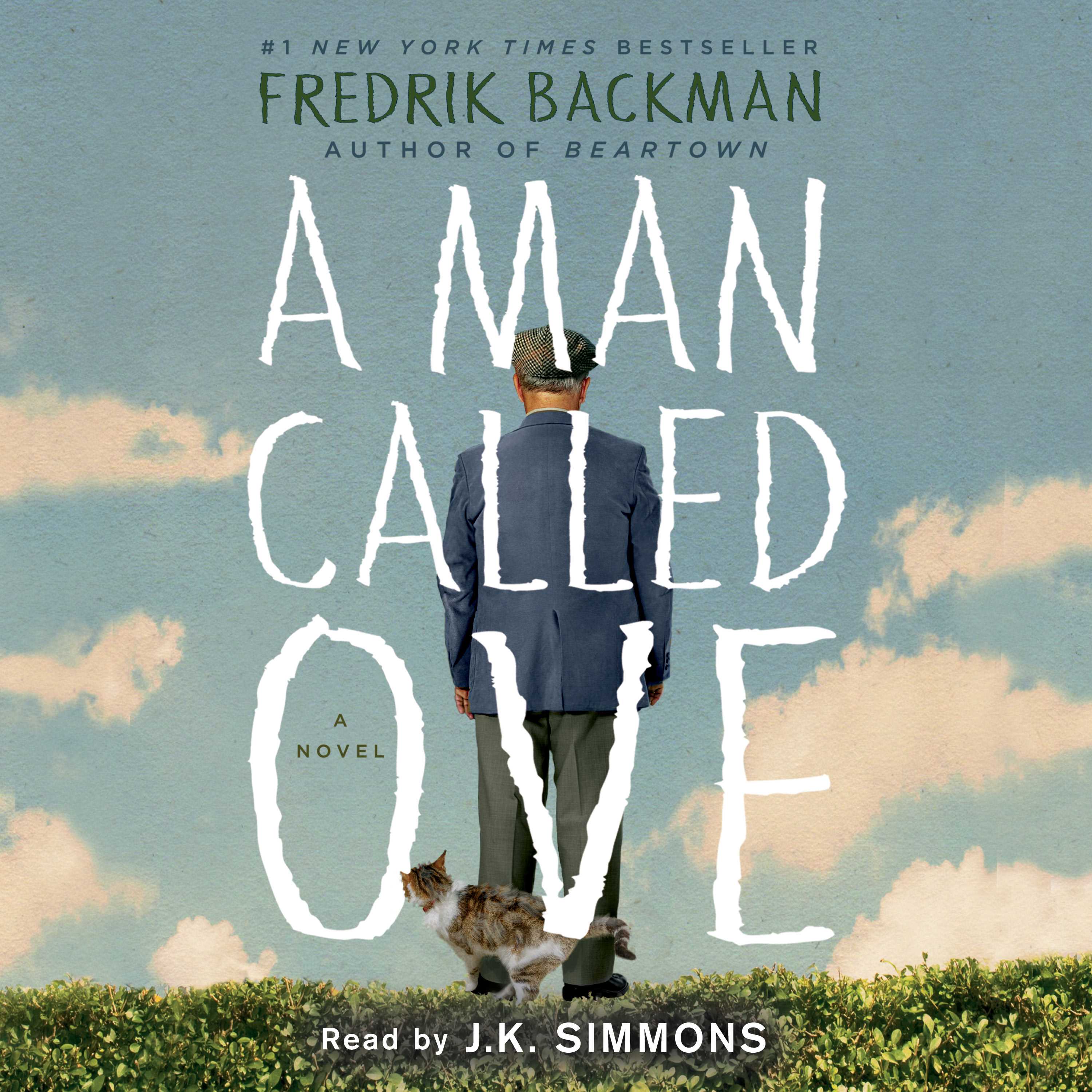
The Midnight Library by Matt Haig positions its portal as an actual library, a liminal space between life and death. For Nora Seed, the books on the shelves represent every life she could have lived had she made different choices. This is a wonderfully accessible, almost cozy, concept for grappling with regret. The stakes are primarily internal: Nora's emotional well-being and her decision to live. Each life is a self-contained experiment, a 'what if I had been a rock star?' or 'what if I had stayed with my fiancé?' The elegance here is in its simplicity; the narrative architecture allows for a wide-ranging exploration of diverse life paths without getting bogged down in complex sci-fi mechanics. It's a philosophical thought experiment wrapped in an empathetic character study, designed to gently guide the reader toward self-acceptance. Its mechanism is a metaphor for the subconscious mind, a reflection of the myriad desires and anxieties that plague us all. It's a masterclass in making the fantastical intimately relatable.

Recursion by Blake Crouch, on the other hand, shatters any illusion of a gentle journey. Its portal is a terrifyingly plausible memory-rewriting technology that allows individuals to "re-live" their pasts, thereby creating new timelines. This isn't just about personal regret; it's about global catastrophe. Every choice made through this "chair" reverberates across existence, causing cascading "false memory syndrome" and the very fabric of reality to fray. Crouch crafts a high-stakes, breathless techno-thriller where the portal isn't just a device, but a weapon, a source of existential dread. The ingenuity here is in making the consequences so visceral and terrifying – a stark contrast to Haig's gentle introspection. The "doorway" isn't a quiet library aisle; it's a frantic race against time and an unraveling universe, demanding sharp scientific explanation married to relentless pacing. It’s a brutal, exhilarating ride that demonstrates how speculative fiction can elevate genre beyond mere escapism.

Seanan McGuire’s Every Heart A Doorway offers a different kind of portal altogether. It's not about alternate versions of this life, but discrete, fantastical worlds that children stumble into and are then ripped away from. The titular "doorways" are literal openings to fairytale lands, sugar candy worlds, murderous goblin markets, and more. The portal here serves as a point of origin, defining the children who return to Eleanor West’s Home for Wayward Children. Their longing is not for a different choice within this world, but for the lost reality they once inhabited. The narrative’s genius lies in its exploration of the aftermath of such a journey, the devastating psychological impact of being un-chosen by a world that felt more real than their original. It's a nuanced exploration of attachment and loss, where the doorway itself is a character in its own right, a fickle gatekeeper of identity and belonging. For readers interested in how fantastical worlds shape the psyche, this series is a revelation, as discussed in The Labyrinth as Diagnostic: Why We Read Contained Worlds.

Margarita Montimore’s Oona Out of Order presents a unique temporal portal: Oona Lockhart experiences her life non-sequentially, waking up at a different age each New Year's Day. The "doorway" here isn't a place or a technology, but time itself, fractured and unpredictable. This mechanism forces Oona to navigate her life with an unusual blend of foreknowledge and ignorance, encountering her past and future selves in a disorienting dance. It's less about changing the past and more about accepting a destiny that unfolds in an arbitrary sequence. The charm lies in its emotional intelligence and the surprising wisdom Oona gains from experiencing life's milestones out of order. It's a cozy yet complex exploration of aging, love, and self-discovery, where the portal is an inherent part of the protagonist’s existence rather than an external device.
| Book | Narrative Mechanics (1-10) |
|---|---|
| Recursion | 9/10 |
| The Midnight Library | 8/10 |
| Oona Out of Order | 7/10 |
| Every Heart A Doorway | 7/10 |
Echoes of Self: Identity in Flux
When lives branch, so too does identity. These books challenge our fundamental understanding of who we are, forcing their protagonists (and us) to question how much of our 'self' is fixed, and how much is merely a product of circumstance and choice. The best of these narratives don't just show us different lives; they show us different selves.
In The Midnight Library, Nora Seed's journey is fundamentally about shedding the layers of regret to find a core sense of self-worth. As she jumps from life to life – a glamorous pop star, a brilliant glaciologist, a devoted wife – her fundamental essence remains, but her perception of herself, and her capacity for joy, shifts dramatically. Haig uses these alternate lives to show that happiness isn't a destination achieved through a specific career or relationship, but an internal state cultivated through acceptance and connection. Nora's identity is in flux not because she fundamentally changes who she is, but because she re-evaluates what she values about who she is. It’s a powerful testament to the idea that reinvention is an internal process, echoing themes explored in The Reinvention Index: Ranking Post-Crisis Literature. Her arc is a search for contentment, not a radical personality transplant, making her journey deeply relatable to anyone wrestling with 'what if' scenarios.
Recursion delves into identity with a far more brutal hand. As timelines are rewritten and memories are altered, the very concept of a stable self becomes a terrifying illusion. Barry Sutton and Helena Smith grapple with losing entire pasts, forgotten loves, and even their own children. Crouch masterfully portrays the psychological horror of a fractured identity, where core memories are replaced by fabricated ones, and the person you thought you were might cease to exist with the flick of a timeline. The challenge isn't merely self-acceptance; it's self-preservation against an onslaught of existential erasure. The novel posits that our identity is inextricably linked to our memories and experiences, and when those are mutable, so are we. It's a harrowing, high-wire act of narrative that forces characters to define themselves by their resolve and their capacity for love in the face of utter chaos, rather than the stable certainties of a single timeline.
For the characters in Every Heart A Doorway, identity is irrevocably shaped by the secondary worlds they've visited. They are 'Wayward Children,' defined by their longing to return to their magical homelands. Their identities aren't fluid in the sense of shifting choices, but fixed by a profound, almost spiritual, allegiance to a world that isn't ours. Nancy, the protagonist, is a study in quiet intensity, her identity as a shadow-girl from a world of the dead making her an outsider even among other outsiders. McGuire explores how these profound experiences carve out unique identities, often leaving the children ill-equipped for "our" mundane reality. The struggle is not to find an identity, but to reconcile a fantastical one with a world that doesn't understand it, resulting in a poignant exploration of belonging and difference.
Oona Out of Order offers a charmingly disorienting take on identity. Oona's experience of life out of sequence means she can be a wise eighty-year-old one year and a rebellious teenager the next. Her identity is a composite, constantly being re-assembled and re-contextualized. She learns lessons about love, regret, and family long before she's conventionally 'ready' for them, yet also possesses the impulsivity of youth later in life. Montimore expertly uses this fragmented timeline to explore the arbitrary nature of traditional identity milestones, suggesting that wisdom and self-knowledge aren't linear acquisitions. Oona's enduring identity is her adaptability and her deep capacity for love, which anchors her through the temporal chaos. It's a heartwarming and genuinely insightful look at how our sense of self can be both stable and wonderfully malleable across the span of a lifetime.
| Book | Identity in Flux (1-10) |
|---|---|
| Recursion | 9/10 |
| The Midnight Library | 8/10 |
| Oona Out of Order | 7/10 |
| Every Heart A Doorway | 6/10 |
The Weight of Worlds: Enduring Questions and Lasting Impact
Beyond the clever mechanics and character arcs, what truly elevates these books are the profound questions they leave echoing in the reader's mind. Do they merely entertain, or do they fundamentally shift our perspective on life, choice, and the messy business of being human? The lasting impact is the true measure of their literary muscle.
The Midnight Library leaves an indelible mark through its universally resonant message about regret and acceptance. Haig's novel asks, 'What does it mean to live a good life?' and 'Is happiness truly found in external achievements, or in internal contentment?' It's a book designed to soothe the anxious modern soul, offering a hopeful antidote to the pervasive feeling that we could always be doing more or better. Its enduring impact lies in its accessible philosophy, which encourages readers to appreciate the life they have rather than mourn the lives they didn't. It's a comfort read for the thoughtful, a gentle push toward self-compassion that, while not groundbreaking in its philosophical premises, delivers them with unparalleled warmth and clarity. It’s the kind of book you recommend to a friend who’s feeling lost, and it works because its optimism is hard-earned through Nora's emotional labor.
Recursion delivers a gut-punch of existential horror and a relentless interrogation of reality. Crouch's novel doesn't just ask about regret; it asks about the very nature of memory, free will, and the ethical implications of tampering with time. Can love truly exist across constantly shifting timelines? Is a life lived with fabricated memories truly your life? The book's lasting impact comes from its intellectual rigor and its ability to sustain a high-octane thriller while simultaneously plumbing the depths of philosophical inquiry. It's a masterclass in high-concept sci-fi that refuses to sacrifice emotional depth, creating a truly unforgettable experience. The questions it raises about the fragility of our perceived reality and the unwavering power of human connection in the face of utter chaos are profound and linger long after the final page. It's a book that demands to be re-read, not just for the thrill of the plot, but to fully grasp its intricate web of consequences.
Every Heart A Doorway has a lasting impact through its poignant exploration of longing and the pain of difference. McGuire crafts an allegory for feeling out of place, for living with a secret inner world that others can't comprehend. The enduring question isn't 'what if,' but 'what now?' for those irrevocably changed by their fantastical journeys. The book resonates with anyone who has ever felt like an outsider, offering solace and understanding in its portrayal of a community built on shared, extraordinary experiences. Its subtle yet powerful commentary on neurodivergence and the search for belonging ensures its place as a significant work in contemporary fantasy, even if its philosophical scope is narrower than its peers here. It's a deeply empathetic work that offers a unique lens on the human need for a place where one truly belongs.
Oona Out of Order leaves a charming, introspective mark. It prompts readers to consider the value of every single moment, the arbitrary nature of our linear progression through life, and whether knowing the future truly diminishes the joy or pain of the present. Montimore's novel is a warm embrace, encouraging a more fluid, less judgmental view of personal development. While not as existentially challenging as Recursion or as broadly philosophical as The Midnight Library, its enduring appeal lies in its compassionate portrayal of a life lived uniquely. It's a reminder that wisdom can come at any age, and that love transcends time. Its impact is personal and reflective, making it a delightful, thought-provoking read that encourages a gentle appreciation for life's unpredictable dance.
| Book | Philosophical Resonance & Impact (1-10) | | :------------------------------ | :---------------------------------- |\ | Recursion | 9/10 |\ | The Midnight Library | 8/10 |\ | Oona Out of Order | 7/10 |\ | Every Heart A Doorway | 6/10 |
The Final Reckoning: Which Doorway Leads to Literary Greatness?
After dissecting these four compelling narratives across their conceptual brilliance, their nuanced take on identity, and their lasting thematic weight, a clear victor emerges. While each offers a unique portal into the 'what if,' only one truly elevates the premise to a profound, genre-redefining experience.
The Midnight Library is an undeniably heartwarming and deeply empathetic novel, a therapeutic balm for anyone wrestling with regret. It executes its premise with grace and emotional intelligence, offering a comforting philosophical journey. Oona Out of Order provides a delightful, innovative spin on temporal mechanics, challenging our perceptions of linear life. And Every Heart A Doorway carves out a poignant niche for the truly 'othered,' exploring the lasting scars of extraordinary experiences.
However, when judged on ambition, intricate execution, and sheer intellectual and emotional impact, Blake Crouch's Recursion stands head and shoulders above the rest. It doesn't just offer a glimpse into alternate lives; it drags you through a terrifying, mind-bending gauntlet of collapsing realities and identity erasure. Its high-stakes plot, combined with a relentless pace and genuinely profound philosophical questions, makes it a superior and more enduring work of speculative fiction. Where The Midnight Library offers comfort, Recursion offers a challenge – a challenge to our very understanding of reality, memory, and what it means to be human in a universe where everything can change in an instant.
Editor's Verdict: Your Next Portal Awaits
While The Midnight Library offers a comforting balm for regret, Blake Crouch's Recursion presents a more intellectually rigorous and existentially challenging exploration of alternate lives, cementing its place as the superior speculative work of the two. It earned its high rating through its daring high-concept premise, relentless pacing, and a brilliant execution that never compromises on its profound philosophical questions, only just missing a perfect score for a slight emotional detachment in its final act amidst the intellectual fireworks.
FAQ
What is the core difference between The Midnight Library and Recursion?
The Midnight Library explores personal regrets through gentle, metaphorical alternate lives, focusing on self-acceptance. Recursion uses a hard sci-fi memory-altering technology to create high-stakes, globally impactful alternate timelines, focusing on the fragility of identity and reality itself.
Are these books suitable for readers new to speculative fiction?
The Midnight Library and Oona Out of Order are excellent entry points due to their accessible emotional narratives. Recursion is a faster-paced, more complex sci-fi thriller, better suited for those who enjoy intricate plots and higher stakes. Every Heart A Doorway is a short, character-driven fantasy that is also quite accessible.
Which book is best for exploring the theme of 'second chances'?
The Midnight Library directly addresses second chances by allowing its protagonist to try different lives. Recursion offers a more intense, high-stakes version of 'second chances' by allowing characters to literally rewrite their pasts, albeit with devastating consequences. Oona Out of Order offers a unique perspective on navigating life's choices non-linearly.