Verity, Wildwood, and The Nightingale: An Adaptation Reckoning
From BookTok thrillers to artisanal fantasy, Hollywood is adapting the entire library. But can the screen ever truly capture the soul of the page? We dissect the year's most anticipated page-to-screen showdowns.
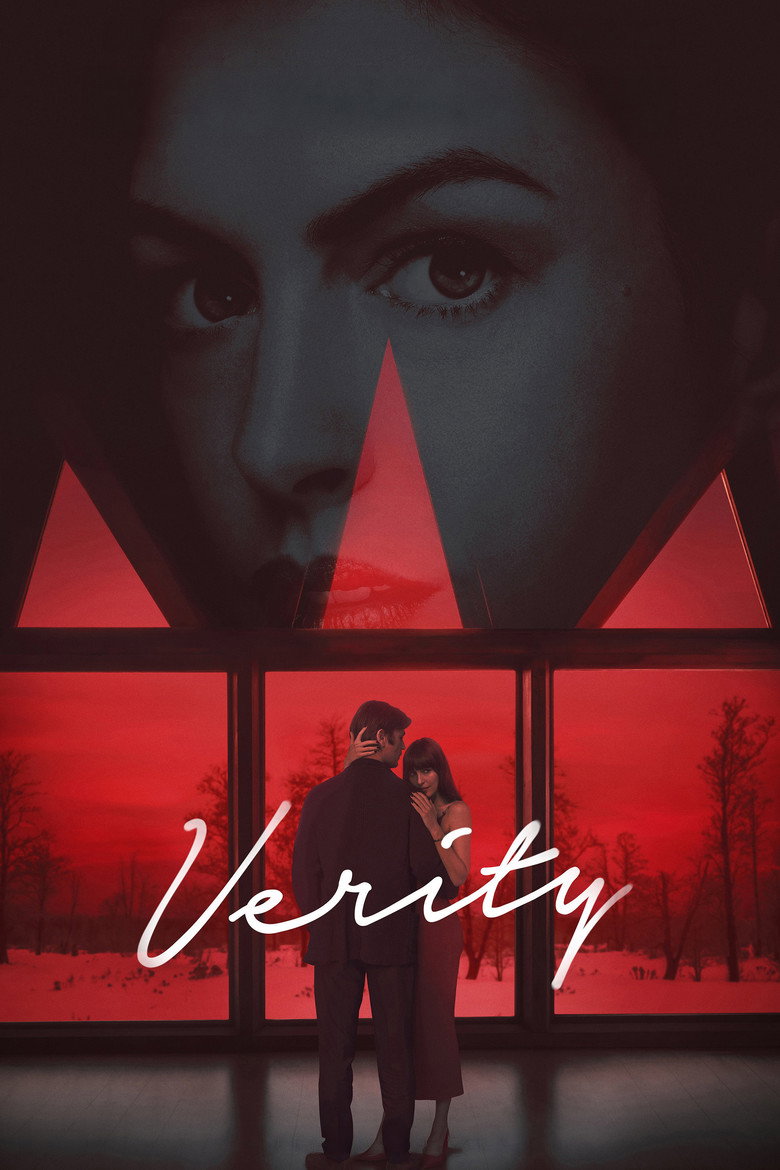
In 2022 alone, Colleen Hoover sold more than 8.6 million print books in the United States—a figure that dwarfs the sales of nearly any other author, living or dead. That colossal number, a testament to the viral power of BookTok, is the context for everything that follows. It's the reason a film adaptation of her divisive psychological thriller, Verity, isn't just another movie; it's a calculated appeal to a cultural juggernaut, a high-stakes bet that a lightning-in-a-bottle literary phenomenon can be bottled again for the screen.
What to Know About 2026's Biggest Book-to-Screen Adaptations
This essay explores the complex translation from page to screen for some of the year's most anticipated projects. We're analyzing:
- Verity by Colleen Hoover: How can a film capture the claustrophobic, unreliable narration that made this thriller a BookTok sensation?
- Wildwood by Colin Meloy: Can Laika's stop-motion magic do justice to a fantasy world defined by its quirky, detailed prose and iconic illustrations?
- The Nightingale by Kristin Hannah: Will this historical epic's adaptation retain the novel's intimate, character-driven emotional core, or will it prioritize spectacle over soul?
The Cultural Moment: A Tale of Three Audiences
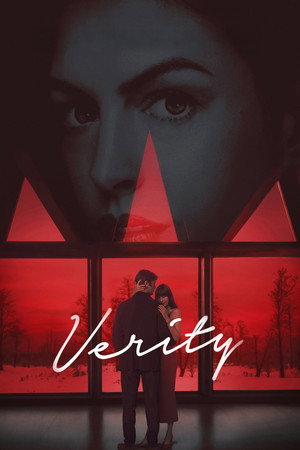

The upcoming slate of adaptations isn't a monolith; it’s a mirror to our fragmented culture. The decision to greenlight films based on Verity, Wildwood, and The Nightingale isn't just about finding good stories. It’s a strategic, almost cynical, segmentation of the reading public, a studio hedge that says, “If we can’t get everyone to watch one thing, let’s get three distinct demographics to watch their thing.”
Verity is the most transparent of these plays. It's a direct line to the heart of the BookTok economy. This isn't an adaptation for cinephiles; it's for the millions who gasped, debated, and threw the book across the room. The cultural force here isn't literary merit—Hoover’s prose is functional at best—but the novel's status as a shared social media event. The film's success hinges not on its quality, but on its ability to replicate the book's viral loop: watch it, argue about the ending with your friends, post your reaction. It represents Hollywood’s scramble to monetize a pre-existing, hyper-engaged digital community that has already done the marketing work for them.
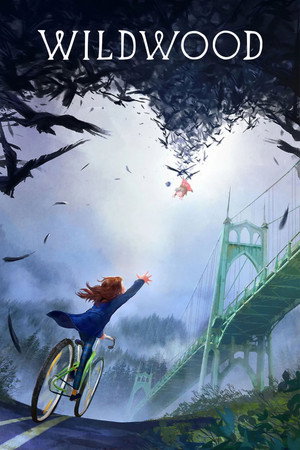
Then you have Wildwood, a project that feels like it was born in a completely different universe. Based on the 2011 novel by The Decemberists' frontman Colin Meloy with illustrations by Carson Ellis, this adaptation speaks to a different kind of cultural currency. It's a bet on artisanal storytelling, targeting an audience that values authorship, unique aesthetics, and a touch of Portland-bred quirk. By handing the reins to Laika, the masters of stop-motion, the studio is signaling that this isn't a cash grab; it's a work of art. The cultural moment for Wildwood is one of nostalgia for tangible, handcrafted fantasy in an era of slick, weightless CGI. It’s an appeal to the A24 crowd, the Wes Anderson fans, and parents who want their children’s fantasy to have a bit of melancholic indie-folk soul.

Finally, there's The Nightingale, a project that has been in development hell for years. Its source material is a titan of the “book club” genre—a sweeping, emotional World War II saga by Kristin Hannah. This adaptation represents the last bastion of the mid-budget adult drama, a genre that has been squeezed out of theaters by superhero franchises. Its cultural relevance is a question: in 2027, is there still a mass audience for a somber historical epic that doesn't involve capes or explosions? The studio is betting on the enduring power of the prestige historical drama, hoping to capture an older demographic and awards season attention. It’s a project that feels like it’s from another time, aiming for an audience that Hollywood increasingly ignores.
Together, these three adaptations paint a picture of a risk-averse industry trying to manufacture hits by targeting pre-sold audiences. They are chasing the BookTokkers, the indie darlings, and the book club members, hoping that loyalty to a beloved book is the surest path to box office success.
Book vs. Screen Strengths: The Unfilmable and the Unwritten
The chasm between a story on the page and on the screen is where adaptations live or die. Each of these projects faces a unique battle with its source material, a struggle between what prose does best and what cinema can uniquely achieve.
For Verity, the book's singular, terrifying power lies in its structure. The story is a nesting doll of unreliable narration. We are trapped in the head of Lowen Ashleigh, a protagonist whose perceptions are suspect, as she reads the autobiography of Verity Crawford, a manuscript so disturbing it warps our understanding of every character. The book’s horror is textual. It’s the act of reading Verity’s chillingly detached prose describing monstrous acts. This is the book’s greatest strength and the film’s greatest obstacle. How do you film a manuscript? Voiceover is the lazy, artless answer. The movie's potential strength, however, lies in its ability to externalize the book's psychological dread. A skilled director can use the claustrophobic setting of the Crawford house, the unnerving stillness of the supposedly catatonic Verity, and the escalating paranoia of Lowen to create a visual tension the book can only describe. The screen can make us feel watched in a way prose cannot. But it will almost certainly fail to replicate the sickening intimacy of being forced to read a monster's confession.

Kristin Hannah’s The Nightingale presents a different challenge. The novel is a masterclass in depicting the slow, grinding erosion of the human spirit during wartime. Its power comes from the accumulation of small, devastating details over several years, filtered through the inner lives of two sisters, Vianne and Isabelle. The book excels at portraying interiority—the quiet compromises, the simmering resentments, the unspoken fears that define life under occupation. This is precisely the kind of narrative filmmaking struggles with, as explored in the difficulties of adapting other interior works like The Dog Stars. A film can show the spectacle of war—the Nazi banners, the sudden violence, the sweeping French landscapes—with an immediacy that prose can’t match. It can use a soaring score and powerful performances from Dakota and Elle Fanning to evoke emotion. Yet, it will inevitably have to compress years into hours, reducing the slow burn of psychological trauma into a series of dramatic vignettes. The book’s strength is its patience; the film’s will have to be its emotional impact, even at the cost of nuance.
Wildwood, however, represents a rare, harmonious marriage of mediums. The book's charm is twofold: Colin Meloy's whimsical, slightly formal prose and Carson Ellis's intricate, folk-art-inspired illustrations. The book is its aesthetic. This is where Laika’s involvement becomes so crucial. Stop-motion animation is arguably the only cinematic medium that could faithfully translate the book's soul. The tactile, handcrafted nature of the puppets and sets will mirror the loving detail of Ellis’s drawings. While the book allows readers to linger on a sentence or an illustration, the film can bring that world to life with movement, sound, and atmosphere. The rustle of leaves in the Impassable Wilderness, the clanking machinery of the North Wood, the chatter of the coyote soldiers—these are things cinema can render with a sensory richness that prose can only suggest. In this case, the screen doesn't have to fight the book; it has the potential to become its ultimate expression.
Adaptation Divergences: What Will Be Lost in Translation?
No adaptation is a perfect carbon copy, nor should it be. The interesting part is analyzing the choices made—the cuts, the additions, the tonal shifts—and judging whether they serve the story or betray it.
With Verity, the most significant and perilous potential divergence is the ending. The novel concludes with a now-infamous final chapter that re-contextualizes everything, leaving the reader in a state of profound moral and factual ambiguity. It’s a brilliant, unsettling trick that fuels endless debate. Mainstream Hollywood, however, abhors ambiguity. The pressure to deliver a clean, decisive, and perhaps more commercially palatable ending will be immense. Will they pick a side? Will they reveal definitively whether the manuscript or the letter was the truth? To do so would be to fundamentally misunderstand and gut the source material. Another likely change will be the sanding down of Lowen’s character. In the book, her complicity and moral decay are central to the plot. A studio film might try to make her a more conventional, relatable heroine, a damsel in distress rather than an active participant in the story's darkness. This would be a fatal error, transforming a twisted psychological thriller into a generic haunted house story.
The Nightingale faces the classic dilemmas of adapting a historical epic: compression and focus. Hannah's novel juggles the storylines of two estranged sisters on different paths of resistance. Vianne’s story is one of quiet, domestic survival and moral compromise, while Isabelle’s is a more active, heroic tale with the French Resistance. A two-hour film will struggle to give both arcs their due. The most probable divergence is that the adaptation will sideline one sister to streamline the narrative, likely focusing more on Isabelle’s more cinematic and traditionally heroic journey. This would unbalance the story’s core theme, which is that courage takes many forms. Furthermore, the novel's framing device—an elderly woman in 1995 recounting her story—provides a late-game twist. In film, this structure can feel clunky. It's plausible the filmmakers will either drop it entirely or reveal the narrator's identity much earlier, sacrificing the novel’s poignant final reveal for narrative clarity.
For Wildwood, the challenge is not tone, but scope. The book is an episodic travelogue, a sprawling journey through a fantastical landscape filled with a menagerie of characters and subplots. It’s over 500 pages long. A feature film, even an animated one, cannot contain it all. Divergences will come in the form of brutal cuts. Entire characters—the mysterious Dowager Governess, the band of bandits—will likely be excised or condensed. The political complexities of the various animal factions will probably be simplified into a more straightforward good-versus-evil conflict. The key will be whether the screenplay, written by Chris Butler (ParaNorman, Kubo and the Two Strings), can maintain the book's meandering, discovery-focused spirit while creating a more propulsive, three-act structure. The danger is that in making it more of a conventional movie, it loses its unique, storybook charm.
Editor's Verdict
So, where should you invest your time: in the pages or on the screen? The answer, as always, is complicated.
For Verity: Read the book first. The entire point of the story is the act of reading and the corrosive power of words. The film will be, at best, a compelling visual summary, but it cannot be the primary text. The book’s final-page twist is a literary device that will not land with the same gut-punch force when translated visually.
- Verity (Book): 7/10. A masterclass in plotting and suspense, dragged down by clunky prose and questionable character motivations. The ending, however, is an all-timer.
- Verity (Movie): 6/10 (projected). It has the potential for great atmospheric horror, but the pressure to deliver a simplified, less ambiguous ending will likely kneecap what makes the story memorable.
For Wildwood: Either order, but the film might become the definitive version. This is a rare instance where the chosen cinematic medium is a perfect spiritual successor to the source. Laika's stop-motion will not just adapt Wildwood; it will embody it. The film has the potential to be a visual feast that elevates the already charming source material into an instant classic.
- Wildwood (Book): 8/10. A wonderfully imaginative and beautifully illustrated tale that sometimes gets lost in its own sprawling world. A modern classic of children's literature.
- Wildwood (Movie): 9/10 (projected). Laika has never made a bad film, and this material is perfectly suited to their strengths. Expect a visually stunning, emotionally resonant adventure that streamlines the book's narrative for the better.
For The Nightingale: Read the book first, without question. The novel’s power is in its sprawling, patient exploration of trauma and resilience. The film will be an emotional highlight reel. It may be a very good reel, with powerful performances, but it will be a summary nonetheless. The quiet, internal struggles that form the book's soul are likely to be lost in the necessary compression for the screen.
- The Nightingale (Book): 9/10. A powerful, moving, and impeccably researched piece of historical fiction that earns its emotional weight through patient, detailed character work.
- The Nightingale (Movie): 7/10 (projected). The talent involved is undeniable, but the sheer scope of the novel makes a fully successful adaptation incredibly difficult. It will likely be a beautiful and moving film that still feels like an abridged version of a greater work.
FAQ
Which upcoming book-to-movie adaptation is the most anticipated?
Based on sales figures and online engagement, Colleen Hoover's 'Verity' is arguably the most anticipated, particularly among the massive BookTok audience. However, Laika's stop-motion 'Wildwood' and the long-awaited adaptation of 'The Nightingale' also have significant, dedicated fanbases.
What are the biggest challenges in adapting a book to a movie?
The biggest challenges include condensing a long narrative into a two-hour runtime, translating a character's internal thoughts and emotions into visual storytelling, and satisfying fans of the source material while also creating a film that stands on its own for new audiences. Books with unreliable narrators, like 'Verity', are particularly difficult.
Is it better to read the book before seeing the movie?
Generally, it's recommended to read the book first. The source material usually offers more depth, detail, and character interiority. However, in some rare cases, like a highly visual story being adapted by a master filmmaker or animation studio, the movie can enhance or even surpass the book.