Kiss Kiss Bang Bang vs. Nothing to Lose: A Comedy Showdown
We pit Shane Black’s meta-noir masterpiece against a 90s buddy-comedy classic to determine which film more successfully executes the art of accidental reinvention.
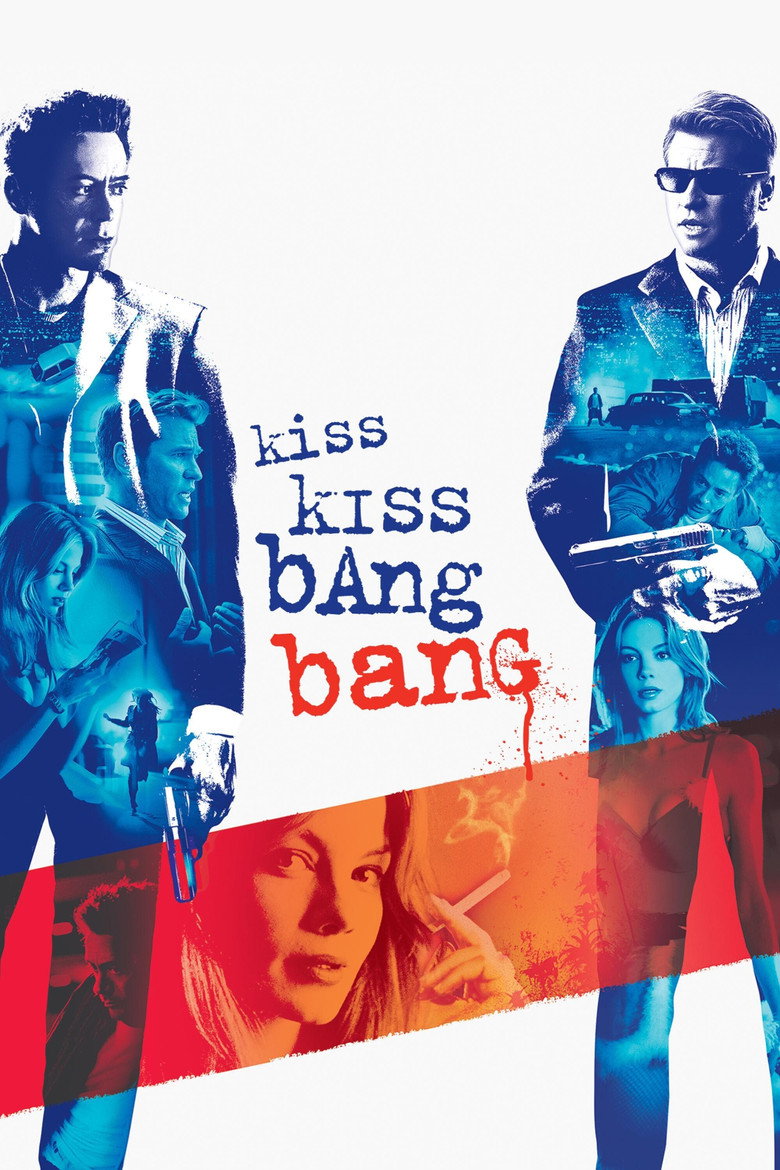
A bleeding, terrified man hides in a toy store, clutching a gun he barely knows how to use. He's just seen a woman murdered, been shot at by goons, and is now trying to escape by crashing an audition for a Hollywood detective movie. He fumbles through the lines, drawing not on acting craft but on the raw, visceral panic of his immediate reality—and the casting director loves it. This is the moment Harry Lockhart, petty New York thief, accidentally begins his transformation into a Los Angeles private eye in Shane Black's Kiss Kiss Bang Bang, a film that, like its 90s cousin Nothing to Lose, hinges on a man being violently shaken out of his life and forced to become someone else entirely.
Both films are comedic odysseys of reinvention, born from moments of profound desperation. They take ordinary (or extraordinarily incompetent) men and drop them into high-stakes criminal underworlds for which they are hilariously unprepared. But while they share a thematic core, their execution, style, and legacy couldn't be more different. One is a product of its time, a charming but conventional buddy-comedy; the other is a timeless, self-aware masterpiece that redefined its genre. It's time to put them in the ring.
Nothing to Lose vs Kiss Kiss Bang Bang: Which 'Fish Out of Water' Comedy Reigns Supreme?
This article breaks down the ultimate cinematic battle of accidental heroes. Here’s what we're dissecting:
- A deep-dive comparison of the central protagonists' transformations.
- Analysis of how each film uses comedy to explore desperation and identity.
- A breakdown of the narrative structure, pacing, and dialogue in both movies.
- The final verdict on which film offers a more satisfying and rewatchable story of reinvention.
The Contenders
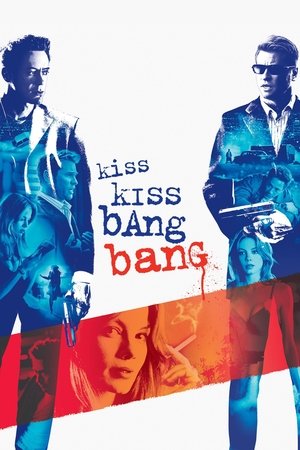
In one corner, we have 2005's Kiss Kiss Bang Bang, the directorial debut of legendary screenwriter Shane Black. It’s a blistering, meta-noir comedy starring Robert Downey Jr. as Harry Lockhart, a small-time crook who becomes an accidental actor and an even more accidental detective. Paired with Val Kilmer's impeccably cynical private investigator, "Gay Perry," Harry is dragged through a labyrinthine L.A. murder mystery that’s smarter, funnier, and far more dangerous than he is.
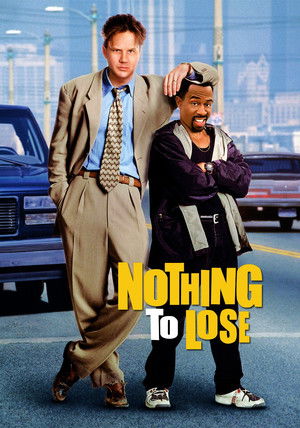
In the other corner is 1997's Nothing to Lose, a classic 90s buddy comedy from writer-director Steve Oedekerk. Tim Robbins plays Nick Beam, an advertising executive who believes he’s caught his wife cheating and promptly suffers a complete mental breakdown. Mid-meltdown, he's carjacked by the inept T. Paul (Martin Lawrence), but instead of surrendering his vehicle, Nick kidnaps his own carjacker, kickstarting a chaotic road trip of revenge, robbery, and unlikely friendship.
Round 1: The Breaking Point
A character's reinvention is only as compelling as the crisis that ignites it. The inciting incident must be powerful enough to justify the protagonist shattering their old identity. Both films deliver a breaking point, but one does it with far more elegance and thematic resonance.
Nothing to Lose builds its premise on a foundation of pure emotional agony. Nick Beam’s world doesn't just crack; it explodes. The sight of his wife in bed with another man—who he believes is his boss, Philip Barlow—sends him into a catatonic state of despair. He gets in his car and just drives, a ghost in a business suit. When T. Paul attempts to rob him, Nick has already hit rock bottom. He laughs in the face of a gun because, in his mind, there's nothing left to take. This catalyst is effective because it’s primal and relatable. The film weaponizes suburban ennui and marital betrayal, making Nick’s subsequent lawlessness a believable, if extreme, reaction to his perceived loss of everything.
The problem is, it's all based on a misunderstanding. The entire premise rests on a convoluted case of mistaken identity involving his boss's name and a set of lost keys. While this serves the plot, it retroactively cheapens Nick's existential crisis. His profound transformation is ultimately rooted in a sitcom-level contrivance, which feels like a narrative cheat. The emotional weight of the setup is undercut by the flimsy mechanics required to resolve it.
Kiss Kiss Bang Bang, by contrast, launches its story with glorious, unadulterated chaos. Harry Lockhart isn't having an existential crisis; he's just a bad thief. While robbing a toy store for a specific Christmas gift for his nephew, his partner gets shot, the alarm goes off, and he flees directly into a movie audition. His tearful, panicked performance is so authentic that he's flown to L.A. on the spot. Harry’s breaking point isn’t a psychological snap; it’s a physical, farcical plunge into a world he doesn’t belong in.
This works beautifully because it perfectly establishes the film's tone. It’s a story about artifice, dumb luck, and the thin line between performance and reality. The catalyst isn't an emotional wound to be healed but a narrative engine of pure absurdity. It tells the audience from the outset that this isn't a story about a man finding himself; it's about a man inventing himself on the fly, using the tropes of a genre he now inhabits. It's a smarter, more durable foundation.
Winner: Kiss Kiss Bang Bang. Its inciting incident is a brilliant fusion of plot and theme, whereas Nothing to Lose relies on a gimmick that feels weak in retrospect.
Round 2: The Art of Reinvention
Once the old life is gone, what comes next? Here, we examine the protagonist’s journey. How do they navigate their new reality, and what does their transformation ultimately say?
In Nothing to Lose, Nick Beam's reinvention is a regression to primal instinct, guided by his new, unwilling partner. He sheds the skin of a buttoned-down ad man and becomes a reckless outlaw. The arc is a classic odd-couple dynamic: the wealthy white executive and the struggling black family man find common ground in their shared desperation. They plan a heist against Nick's boss, learn about each other's lives, and forge a genuine bond. The transformation is about Nick learning that his privileged life was a fragile cage and T. Paul discovering his own potential beyond petty crime. The climax, where Nick uses his advertising skills to publicly humiliate his boss, brings his two identities—the slick marketer and the vengeful criminal—together in a satisfying, if predictable, way. The message is earnest and clear: true wealth is friendship and self-respect.
It’s a solid, heartwarming arc. But it’s not particularly ambitious. It follows the well-worn path of the 90s buddy comedy, exploring race and class with a light touch but ultimately prioritizing feel-good resolution over deeper commentary.
Kiss Kiss Bang Bang offers a far more complex and cynical transformation. Harry Lockhart's reinvention is a meta-narrative about storytelling itself. He's not just learning to be a detective; he's learning the rules of being a detective in a detective story, with Gay Perry as his brutally honest tutor. His arc is a series of failures. He gets a corpse's finger slammed in a door, gets urinated on by a thug, and consistently misunderstands the plot he's stumbling through. His narration constantly reminds us how out of his depth he is: "Don't worry, I saw Lord of the Rings. I'm not going to end this 17 times."
Harry doesn't become a hero. He becomes a slightly more competent idiot who survives through sheer luck and the intervention of others. His reinvention isn't about finding his inner strength; it's about accepting his own incompetence and muddling through anyway. This deconstruction of the hero's journey is far more interesting and, frankly, more realistic. He doesn't shed his old self so much as he gets it tangled up in a new, more dangerous identity. It’s a hilarious and incisive look at how we construct identity, echoing the artificiality of Hollywood itself.
Winner: Kiss Kiss Bang Bang. Harry's messy, self-aware transformation is a brilliant subversion of the hero’s journey, offering layers of commentary that Nothing to Lose’s heartfelt but simple arc can’t match.
Round 3: The Comedic Legacy
Both films are, first and foremost, comedies. Their success hinges on their ability to make us laugh. But which brand of humor has stood the test of time?
Nothing to Lose runs on the pure, uncut charisma of its leads. The comedic engine is the chemistry between a frantic Tim Robbins and a hyper-verbal Martin Lawrence. The humor is largely situational and observational, mining comedy from the clash of their two worlds. The famous scene where T. Paul tries to teach Nick to act tough by doing a threatening “spider dance” is a perfect example—it’s physical, absurd, and entirely character-driven. It's funny because of who these two actors are and how they play off each other. The film is packed with memorable moments that hold up today because that central dynamic is so strong. However, some of the jokes feel distinctly of their era, relying on broad stereotypes that haven't aged as gracefully.
Kiss Kiss Bang Bang is a different beast entirely. Its comedy comes from its language. The screenplay is a masterclass in blistering, cynical, and endlessly clever dialogue. Shane Black's script is the undisputed star, a perfect fusion of hardboiled noir prose and postmodern wit. The banter between Downey Jr. and Kilmer is legendary for a reason—it’s fast, layered, and relentlessly funny. Lines like Perry's deadpan, "Look up 'idiot' in the dictionary. You know what you'll find? A picture of me? No! The definition of the word 'idiot,' which you fucking are!" are not just jokes; they are perfectly constructed pieces of character and rhythm.
This film's comedic influence is immense. It resurrected Robert Downey Jr.'s career and arguably created the template for the witty, self-referential blockbuster dialogue that would later define the Marvel Cinematic Universe. Its style feels as fresh and innovative today as it did in 2005. While Nothing to Lose is a great example of 90s comedy, Kiss Kiss Bang Bang is a seminal text of 21st-century screenwriting. Its originality and intelligence are why it's a cult classic, not just a nostalgic favorite. For a look at how crucial originality is, especially in a world of endless sequels, check out our analysis of Animation's Soul: The IP Security Blanket vs. The Blank Canvas.
Winner: Kiss Kiss Bang Bang. The script is an all-timer. It's not just funny; it's a landmark of comedic writing that has aged like a fine, acerbic wine.
The Final Decision
Let's be clear: Nothing to Lose is a good movie. It’s charming, funny, and features two beloved actors at the height of their powers. It’s a perfect slice of 90s comfort food cinema, an enjoyable film that accomplishes exactly what it sets out to do.
But this isn't a contest of pleasantness. It's a battle of execution, ambition, and lasting impact. And in that fight, Kiss Kiss Bang Bang delivers a decisive knockout. It’s a smarter, sharper, and more audacious film in every conceivable way. It takes the same theme of accidental reinvention and elevates it from a simple character arc to a brilliant commentary on genre, identity, and storytelling itself. It’s a film that respects its audience's intelligence, trusting them to keep up with its breakneck pace and intricate plotting.
While Nothing to Lose tells a story, Kiss Kiss Bang Bang deconstructs the very act of telling a story. It's a film that works as a straight-up mystery, a hilarious comedy, and a meta-commentary all at once. For that, it stands alone as the definitive champion of the accidental reinvention comedy.
Editor's Verdict
While Nothing to Lose remains a perfectly enjoyable 90s artifact, Kiss Kiss Bang Bang is a flawless machine. Shane Black's screenplay for it is the single most influential action-comedy script of the 21st century, and its DNA is visible in nearly every witty blockbuster that followed. The film doesn't just hold up; it feels like it was made yesterday.
FAQ
Is Kiss Kiss Bang Bang based on a book?
Yes, it is partly based on the 1941 novel "Bodies Are Where You Find Them" by Brett Halliday, one of the Mike Shayne mystery novels. However, Shane Black's script takes significant creative liberties with the source material.
What is the main theme of Nothing to Lose?
The film explores themes of desperation, the fragility of the American Dream, and how an unlikely friendship can form under extreme circumstances. It critiques corporate culture and questions the modern definition of success and happiness.
Who wrote and directed Kiss Kiss Bang Bang?
Kiss Kiss Bang Bang was the directorial debut of screenwriter Shane Black, who also wrote the screenplay. He is famous for writing iconic action films like Lethal Weapon, The Last Boy Scout, and later directing Iron Man 3 and The Nice Guys.