Trailers Aren't Selling Movies, They're Selling Memes
The modern movie trailer has devolved into a content-generation machine for social media. The most exciting upcoming films are the ones whose marketing bravely refuses to play the game.
The five of us are huddled around a laptop, the blue light painting our faces in the dark. The world premiere trailer has just dropped. For two minutes and thirty seconds, nobody speaks. Then, chaos. “Pause it! Go back! Was that him?” one friend yells, already opening Twitter. Another is screenshotting a particularly ridiculous frame, text already overlaid: Me explaining my obscure hobby. The third is sighing, “Well, they just showed the whole movie.” In that moment, we weren't prospective audience members; we were a content-creation focus group, dissecting a product for its meme potential and spoiler quotient. The trailer wasn't a promise of a future experience. It was the experience itself, a disposable packet of digital ephemera to be consumed and forgotten by morning. And that is precisely the rot at the heart of modern film marketing.
This isn't about building anticipation anymore. It's about engineering a specific, pre-packaged, and instantly shareable reaction. The modern blockbuster trailer is a checklist of viral moments, a cynical exercise in providing fodder for the content machine. It has abandoned the art of the tease in favor of the science of engagement, and in doing so, it insults the audience and the film it purports to represent.
What Are The Most Discussed Upcoming Movie Trailers?
This article unpacks the marketing strategies behind some of 2026's most anticipated—and dreaded—upcoming films, and what their trailers say about the state of cinema. We'll be covering:
- The inevitable nostalgia-bait of the new Masters of the Universe film.
- The self-defeating marketing of the Scary Movie reboot.
- The empty calories of a generic actioner like In the Grey.
- The quiet power of a cryptic campaign like Disclosure Day.
The Nostalgia Engine and Its Empty Promise
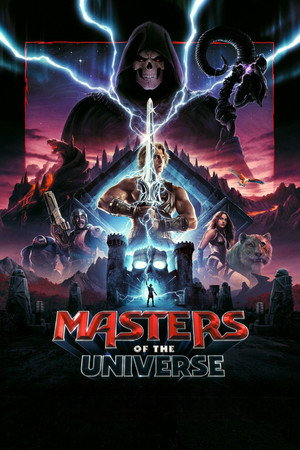
Let's begin with the most obvious offender: the IP reboot. A trailer for a film like Masters of the Universe has one primary objective: to jangle a set of brightly colored plastic keys in front of the faces of adults who were children in the 1980s. The marketing campaign won't be about selling a story; it will be about confirming a checklist. Will He-Man say “I have the power!”? Check. Will we see a shot of Castle Grayskull that looks just like the toy? Check. Will Skeletor’s voice be a passable imitation of the original cartoon? Check. The trailer's success will be measured in the number of tweets that say, “They actually did it!” It’s not cinema; it’s brand activation.
This is the ultimate example of marketing designed for reaction, not reflection. Each shot will be calibrated to trigger a specific, pre-loaded nostalgic response. The trailer isn't inviting you into a new world; it's reassuring you that an old world has been faithfully, and expensively, replicated. The problem, as we've seen time and again, is that this approach creates trailers that are more exciting than the films they advertise. The two-minute hit of pure, unadulterated nostalgia is potent. The two-hour film that has to invent a plot, character arcs, and stakes around those nostalgic touchstones is often a hollow exercise. It's a marketing strategy that perfectly illustrates the industry's obsessive reliance on sequels and familiar IP—a fear of the new packaged as a love for the old.
The Parody Paradox: How to Market a Joke You've Already Told
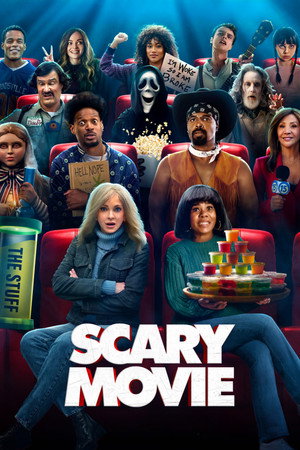
If the IP reboot is cynical, the parody reboot is a snake eating its own tail. The original Scary Movie franchise, for all its hit-or-miss gags, worked because it was reacting to a very specific, very current moment in horror. How do you market a new Scary Movie in 2026? You show the jokes. And by showing the jokes, you kill them.
A trailer for a parody film is a minefield. It has to prove it's funny, but the easiest way to do that is to showcase the biggest, most elaborate punchlines. We will inevitably see the new Ghostface tripping over a Roomba, or a parody of M3GAN doing a TikTok dance. These gags might elicit a chuckle when they flash by in a trailer, but they also function as a spoiler tag for the film's comedic set pieces. The trailer sells you the laugh, a quick, cheap transaction, leaving the actual movie to feel like a series of reruns.
This is a fundamental misunderstanding of comedy. The joy of a great parody isn't just seeing a familiar trope get lampooned; it's the surprise of the execution. By laying its best cards on the table, the Scary Movie trailer won't be selling a comedy; it will be presenting a sizzle reel of punchlines, divorced from the setup and timing that make comedy work. It is, once again, content designed for a quick social media share, not an invitation to a coherent comedic experience. The goal is a viral GIF of the main gag, not a sold ticket to see it in context.
In Defense of Obfuscation: The Power of Withholding

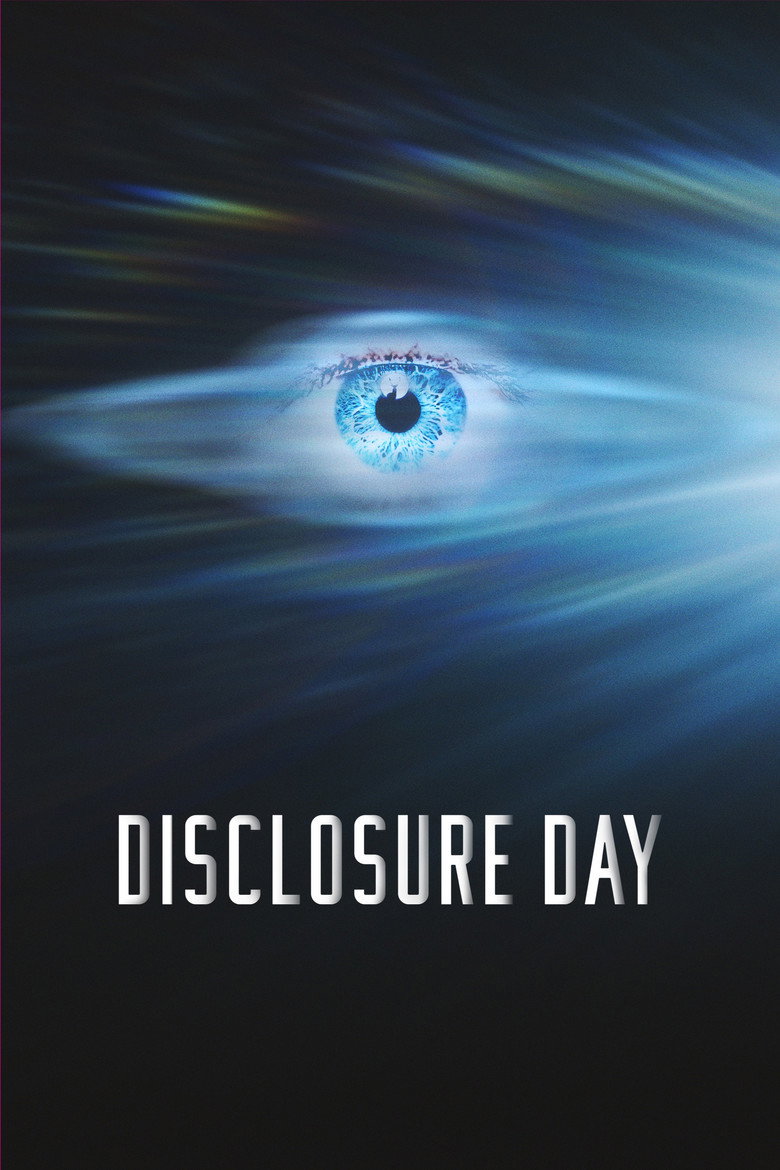
Now for the antidote. Amidst the noise of nostalgic callbacks and spoiled punchlines, there is another way. Consider a film like Disclosure Day. The title is evocative and mysterious. The poster is stark. It promises nothing specific, and in doing so, it promises everything. A trailer for this film, if handled correctly, can be a work of art in itself. It can reject the demand for plot summaries and fan service and instead sell one thing: a feeling. An unnerving, compelling, can't-look-away feeling.
Imagine a trailer that is all atmosphere. A ticking clock. A snippet of cryptic dialogue— “What did they show you?” —that raises a thousand questions and answers none. A flash of a strange symbol. A shot of a character looking at something off-screen with an expression of pure terror. No clear look at the threat. No explanation of the premise. This kind of trailer respects the audience. It trusts us to be intrigued by mystery. It doesn't need to show us the monster or the twist; it needs only to convince us that there is a monster, and the twist will be worth the wait. This is what separates true cinematic marketing from the plot-summary problem plaguing the industry.
This approach is a commercial risk, of course. It’s not easily meme-able. It doesn’t generate “Top 10 Easter Eggs You Missed” articles. It generates something far more valuable: genuine, burning curiosity. It sells the promise of discovery, the idea that when you sit down in that theater, you are about to see something you truly have not seen before. It’s a trailer that makes you want to see the movie, not just react to the trailer.
The Counterargument: Don't Audiences Need to Know What They're Buying?
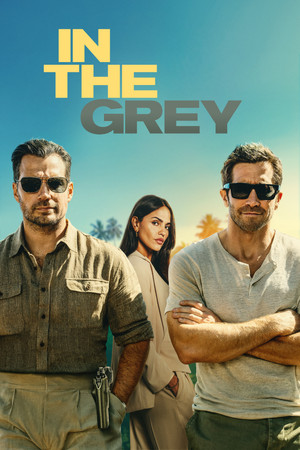
The studio executive’s argument is predictable: audiences are risk-averse. They need to see the explosions, hear the one-liner, and understand the A-to-B plot before they’ll commit their money. This thinking is what gives us the endless stream of interchangeable trailers for films like In the Grey. We can already picture it: quick cuts of Henry Cavill looking grim, a car chase, an explosion, a gravelly voiceover saying something about “one last job” or “they took the one thing that mattered.” It will look competent. It will look expensive. And it will look exactly like a dozen other action thrillers.
This strategy isn't about informing the audience; it's about placating them with familiarity. It's the marketing equivalent of a restaurant that only serves chicken tenders. Sure, it's a safe bet, but it's also a deeply uninspiring one. The argument that trailers must reveal everything to succeed is a self-fulfilling prophecy. By training audiences to expect trailers that are just miniature versions of the movie, studios have cultivated a culture of impatience and a resistance to ambiguity. But they are underestimating the viewer. The breakout success of films marketed on pure mystery—from The Blair Witch Project to Parasite—proves that audiences are not only willing but eager to take a leap of faith, provided the hook is sharp enough. Selling a feeling of dread, wonder, or confusion can be infinitely more powerful than selling the third-act firefight.
Editor's Verdict
In a landscape saturated with trailers designed to be dissected and discarded, the campaign that dares to be cryptic is the one that truly stands out. While the flashy, fan-service-laden marketing for IP reboots will generate immediate buzz, it’s the quiet, confident mystery of a campaign like the one I envision for Disclosure Day that signals a belief in the film itself, not just its component parts. It is a throwback to a time when a trailer’s job was to start a conversation, not end it.
Editor's Rating: 9/10
Verdict Justification: This rating is for the promise of a brave and intelligent marketing campaign. The hypothetical trailer for Disclosure Day earns its points by rejecting the cynical, meme-driven trends of modern blockbusters and trusting its audience. It sells atmosphere and intrigue over spoilers and fan service. It loses a single point because this is still speculation; a brilliant trailer can still precede a disappointing film. But as a piece of marketing, this theoretical approach is a masterclass.
Falsifiable Claim: The cryptic, minimalist marketing for Disclosure Day will ultimately build more sustained, word-of-mouth anticipation among serious filmgoers than the nostalgia-fueled, reveal-heavy campaign for Masters of the Universe.
FAQ
Why are so many movie trailers spoiling the plot?
Studios often rely on audience testing and data that suggest viewers are more likely to buy a ticket if they know key plot points. This risk-averse strategy prioritizes a predictable marketing outcome over preserving the cinematic experience of discovery.
What separates a good movie trailer from a bad one?
A great trailer establishes a compelling tone, introduces the central conflict, and builds intrigue without revealing crucial third-act twists or its best moments. It sells the *feeling* and promise of the movie, while a bad trailer often functions as a simple plot summary.
Are IP-driven movies like 'Masters of the Universe' always a bad thing?
Not necessarily, but their marketing often relies too heavily on nostalgia rather than narrative innovation. The challenge is to use a familiar property to tell a new, compelling story, and the trailer should reflect that ambition rather than just serving as a checklist of familiar elements.