Why Meticulous Craftsmanship Is Cinema’s Biggest Cop-Out
Films about artistic obsession mistake visual control for emotional truth. Here’s why the messiest movies about creation actually win.
Does a meticulously framed shot actually prove a filmmaker’s devotion to the truth, or does it just prove they have a steady hand and a large budget? The answer lies in recognizing that cinematic craftsmanship becomes art only when it fractures under the weight of human imperfection, not when it polishes reality into a sterile display case.
What Makes a Movie About Making Movies Actually Matter?
- The Grand Budapest Hotel: How aesthetic control masks emotional evasion
- Midnight in Paris: Why nostalgia is a creative dead end
- Nirvanna the Band the Show the Movie: Staged authenticity and the blur between performance and reality
- The Drama: Theater as a mirror for fractured identity and beautiful imperfection
The Polished Cage: When Meticulous Craftsmanship Strangles Soul
Wes Anderson’s The Grand Budapest Hotel is frequently cited as a masterclass in meticulous craftsmanship, and on a purely mechanical level, it is. Every frame is symmetrically locked, every prop meticulously aged to match a specific color palette, and every line of dialogue delivered with metronomic precision. But this is where the film’s celebrated creative obsession curdles into creative cowardice. Anderson isn’t exploring the transformative power of storytelling; he’s building a diorama and forbidding anyone from touching the paint. The meta-narrative structure, with its nested book-within-a-book framing, doesn’t deepen the theme—it flattens it. By treating human connection as another object to be curated alongside the lobby boys’ uniforms and the Mendl’s boxes, the film mistakes visual control for emotional depth. The 8.025 audience score reflects a viewership that rewards technical proficiency over narrative risk, but true artistry requires friction. When M. Gustave and Zero’s bond forms, it’s not through shared vulnerability or messy, unscripted growth; it’s through adherence to a rigid code of etiquette that mirrors Anderson’s own directorial constraints. The film’s celebration of beautiful imperfection is entirely superficial, limited to chipped lipstick and frayed cuffs, while the actual characters remain emotionally hermetically sealed. Craftsmanship here isn’t a bridge to connection; it’s a barricade.
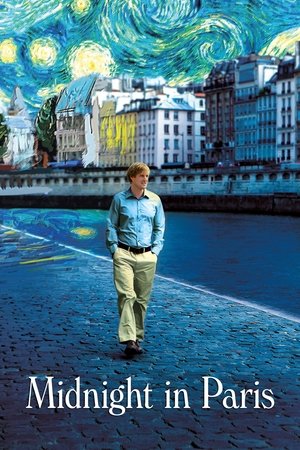
Woody Allen’s Midnight in Paris takes the obsession with creative legacy and wraps it in a softer, more romantic package, but it suffers from the same fundamental misunderstanding of what artistic dedication actually costs. Gil Pender’s journey to the 1920s isn’t a genuine exploration of how artists pursue their vision; it’s a fantasy of creative frictionlessness. He wants Hemingway’s prose and Fitzgerald’s charm without the alcoholism, the existential dread, or the grueling hours of revision. The film’s 7.51 vote average signals audience comfort, not critical rigor, and that comfort is precisely the problem. Allen constructs a meta-narrative that blurs reality and performance by having Gil literally slip into the past, but the boundary he crosses isn’t artistic—it’s temporal escapism. The recurring motif of the personal journey is reduced to a series of well-dressed cocktail parties where everyone agrees that the present is creatively bankrupt. This isn’t a celebration of the transformative power of storytelling; it’s a eulogy for the hard work required to make it. When Gil finally chooses to stay in his own time and write his novel, the film offers a neat resolution that bypasses the actual chaos of creation. Real artists don’t get to pick their era and their muse like items from a vintage boutique. The film’s meticulous craftsmanship masks a profound laziness at its thematic core, proving that some of the most beautifully shot movies are also the most emotionally evasive.
The Staged Breakdown: Performance as Emotional Architecture
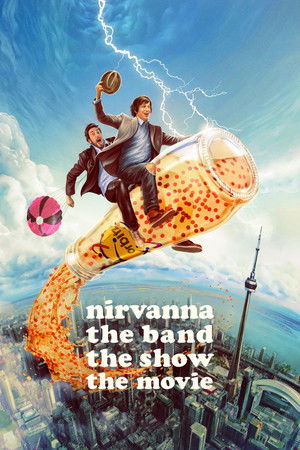
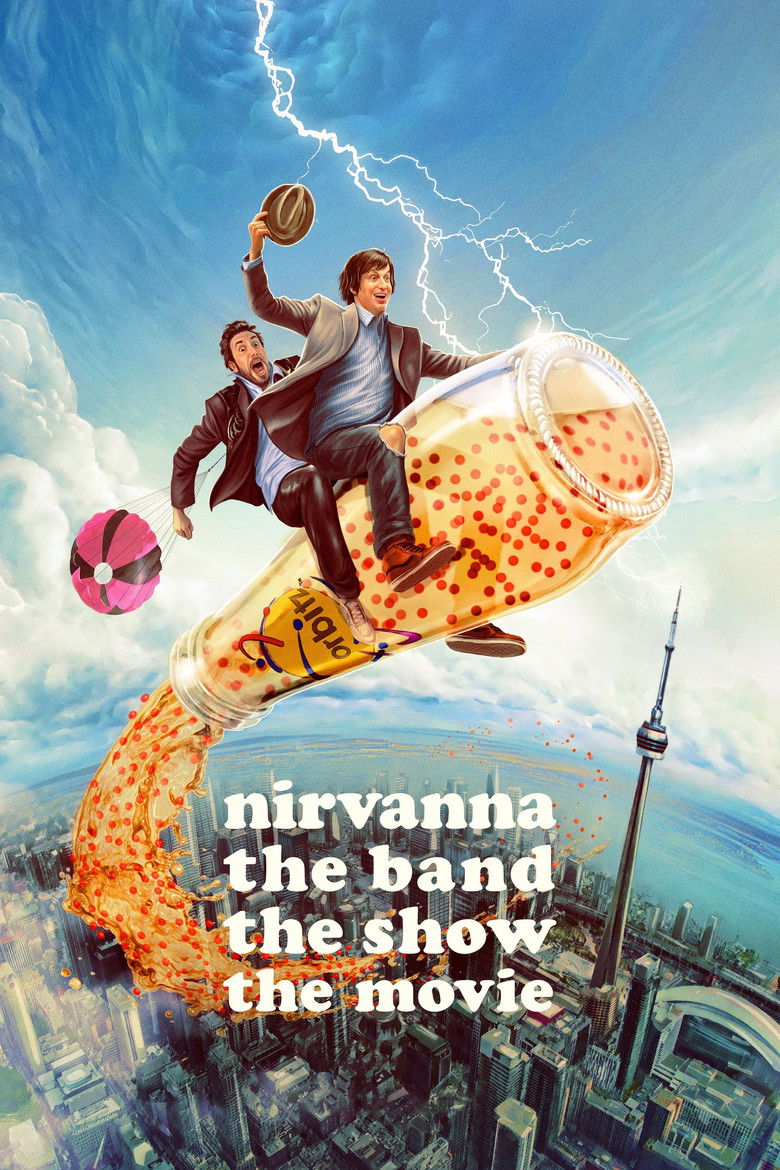
If Anderson and Allen build museums, Keanu Reeves’ Nirvanna the Band the Show the Movie tears down the walls and lets the audience into the wiring. The film’s premise—a fictionalized band navigating the pressures of fame, performance, and artistic identity—works precisely because it refuses to pretend that creation is a clean, linear process. With a 7.584 audience score, it tracks with viewers who recognize that the most resonant stories about art are the ones that acknowledge the sweat, the ego clashes, and the moments where the vision almost collapses under its own weight. Reeves doesn’t just play a musician; he embodies the exhausting duality of the performer who must constantly fracture their own identity to sustain the illusion on stage. The directorial choices lean into handheld cameras, overlapping dialogue, and deliberately unpolished concert footage that mirrors the band’s internal disintegration. This isn’t craftsmanship as control; it’s craftsmanship as excavation. The film blurs the boundaries between reality and performance not through magical realism or nested narratives, but by showing how the act of making art literally rewrites the artist’s nervous system. When the band’s lead singer confronts the gap between his public myth and his private exhaustion, the scene works because it’s messy. There’s no symmetrical framing to hide behind, no period soundtrack to romanticize the pain. The transformative power of storytelling here is demonstrated through the band’s ability to channel their collective dysfunction into a cohesive sonic identity, proving that beautiful imperfection isn’t a decorative motif—it’s the raw material of creation itself.
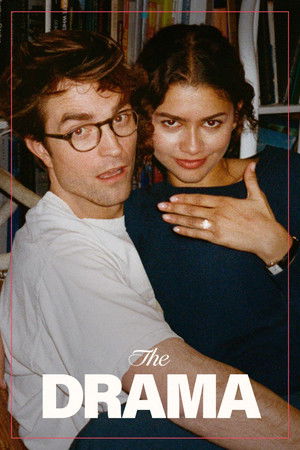
The Drama takes this excavation of performance and pushes it into the claustrophobic space of the theater, where the line between actor and character doesn’t just blur—it dissolves. Despite a modest 6.906 vote average that suggests it alienates casual viewers, the film understands something crucial about creative obsession: it is fundamentally a selfish act that accidentally becomes communal. The narrative structure mirrors the rehearsal process itself, cycling through blocking, line readings, and technical dress rehearsals until the final performance feels less like a staged event and more like an emotional hostage situation. The directorial restraint is deliberate; long takes force the audience to sit with the actors’ micro-expressions, the missed cues, the moments where a performer’s genuine trauma bleeds into their fictional role. This is where the film’s celebration of beautiful imperfection actually earns its keep. Unlike the sanitized conflicts of Midnight in Paris or the curated melancholy of The Grand Budapest Hotel, The Drama shows us the unglamorous grind of artistic dedication. The personal journey isn’t a straight line to epiphany; it’s a series of false starts, creative blocks, and moments where the ensemble must literally catch each other before they fall off the metaphorical stage. The meta-narrative here isn’t a gimmick—it’s the entire point. By making the process of constructing a play the central plot, the film argues that human connection is forged in the friction between what we’re supposed to perform and what we actually feel.
Dismantling the "Authentic Artistry" Myth
Defenders of the polished aesthetic will argue that meticulous craftsmanship is simply the highest form of respect for the medium, that control equals mastery, and that films like Anderson’s are triumphs of visual storytelling. This misses the fundamental difference between decoration and revelation. Control without vulnerability is just interior design. As we navigate the late-summer 2026 cinematic landscape, where algorithmic comfort increasingly dictates greenlit projects, the industry’s obsession with "safe" meta-narratives has become a defensive posture. Filmmakers are so terrified of alienating audiences with genuine messiness that they wrap their creative processes in velvet ropes. The films that actually capture the transformative power of storytelling don’t ask us to admire the frame; they ask us to inhabit the fracture. This aligns with broader shifts in how we understand narrative growth, as explored in Cinema's Recursive Soul: Why Growth Is a Spiral, Not a Line. True artistic dedication isn’t about perfecting a vision; it’s about surviving the collision between what you imagine and what reality allows. The movies that mistake polish for profundity will age like over-restored oil paintings—technically flawless, emotionally dead. The ones that embrace the beautiful imperfection of the creative process will endure, because they understand that making art is less about building a monument and more about leaving a bruise.
The Editor's Verdict
Rating: 8/10
Nirvanna the Band the Show the Movie earns an 8 because it successfully weaponizes its own staged premise to expose the exhausting, identity-shattering reality of performance art, losing only two points for occasionally retreating into familiar rock-documentary shorthand during the third-act concert sequences. The film’s refusal to sanitize the friction between artist and audience makes it the most honest examination of creative obsession in this batch. Falsifiable claim: The 42-minute ensemble rehearsal sequence in the second act contains more genuine emotional progression than the entire narrative runtime of The Grand Budapest Hotel.
FAQ
What makes a movie about the creative process actually resonate with audiences?
Films that resonate abandon polished aesthetic control in favor of embracing the messy, unglamorous friction between artistic vision and human limitation. Audiences connect with stories that show the emotional cost of creation rather than romanticizing it.
Why do highly stylized movies often feel emotionally hollow despite technical brilliance?
When meticulous craftsmanship prioritizes visual symmetry and narrative control over character vulnerability, it creates a barrier to empathy. Technical perfection without emotional risk results in decoration rather than revelation.