Brooklyn Nine-Nine vs. The Wire: The Soul of Institutional Drama
Forget the 'prestige' label – a sitcom about cops often offers a more profound, and honest, look at navigating broken systems than its acclaimed dramatic counterpart.
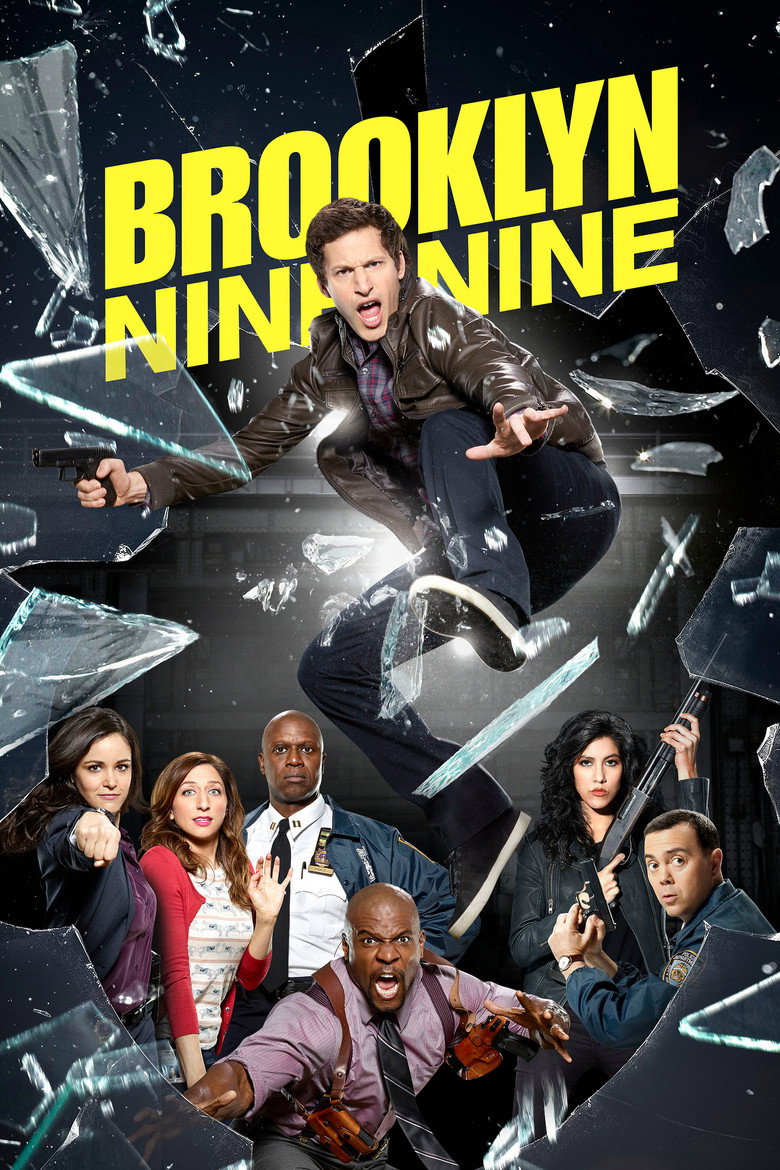
The Wire is hailed as television's magnum opus for its unflinching portrayal of institutional rot, but it fundamentally misunderstands human resilience within those systems in a way Brooklyn Nine-Nine — yes, the sitcom — often nails with far more genuine impact. While David Simon's Baltimore saga relentlessly exposes the crushing weight of bureaucratic dysfunction, it largely overlooks the vital, often surprising, mechanisms of joy, loyalty, and incremental change that even the most broken systems inadvertently foster. Brooklyn Nine-Nine, by contrast, provides a blueprint for how warmth and sharp social observation can coexist, creating a vision of institutional life that's both aspirational and deeply relevant. It's time to re-evaluate what makes a show truly 'great' when examining the complex interplay of human spirit and the forces designed to contain it.
Navigating the System's Echoes: A Lit-Pop Lineup
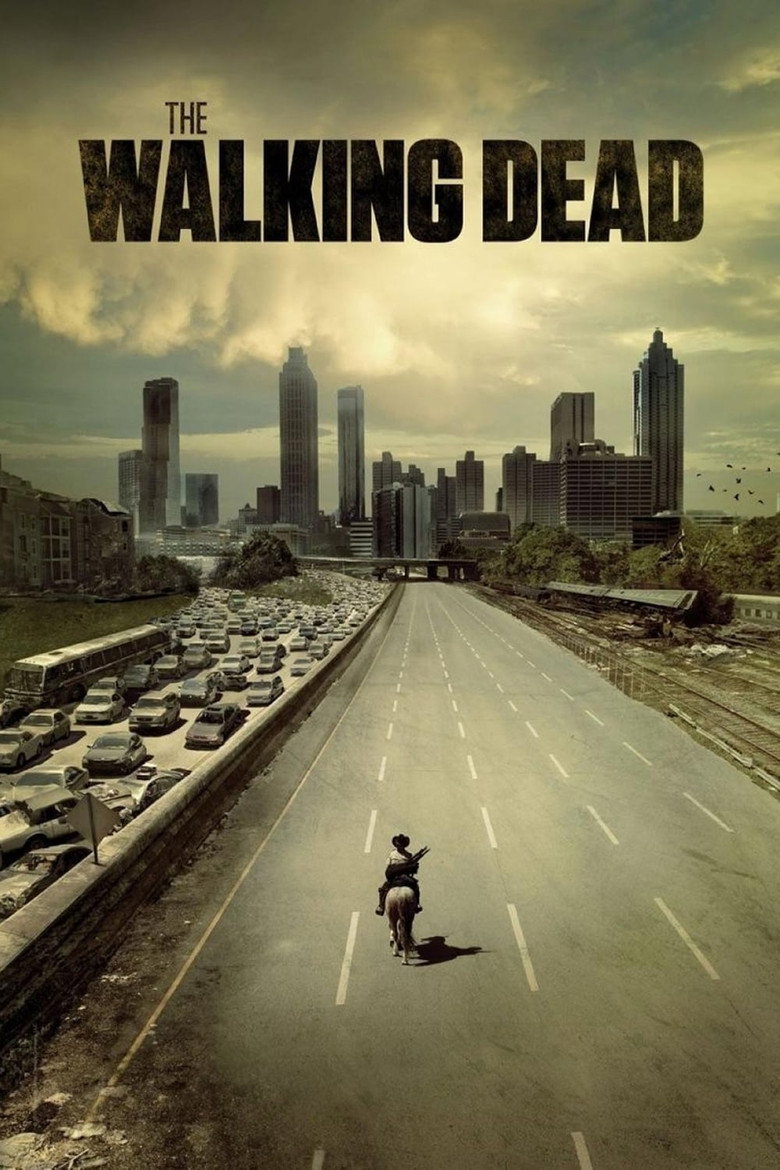
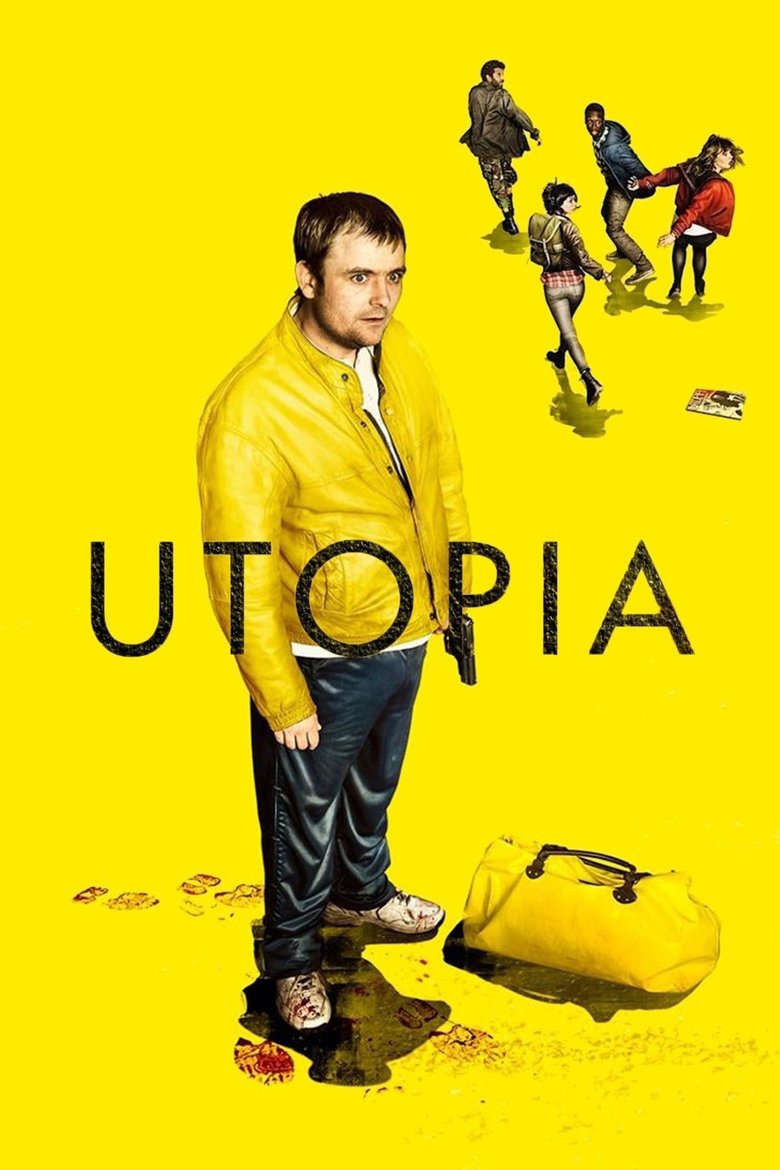
This deep dive examines how four distinct series approach the intricate dance between individual agency and systemic power, dissecting their unique contributions to the television landscape:
The Precinct vs. The Streets: Setting the Stage
To truly understand the clash of philosophies, we must first acknowledge the worlds these shows meticulously build.
The Nine-Nine's Unconventional Comfort
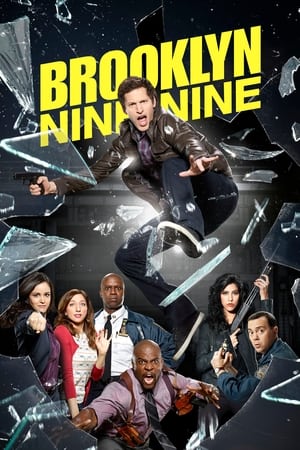
Brooklyn Nine-Nine burst onto the scene promising laughs from a New York City police precinct, and it delivered in spades. But beneath the slapstick and running gags, it built a genuinely revolutionary vision of workplace camaraderie. The 99th precinct isn't just a place where crimes are solved; it's a crucible where diverse personalities clash, coalesce, and ultimately, uplift each other. From Jake Peralta's (Andy Samberg) childlike enthusiasm to Captain Raymond Holt's (Andre Braugher) deadpan stoicism, the show masterfully crafts characters who are both caricatures and deeply human. Its initial seasons offered a comforting escape, a brightly lit world where problems, no matter how serious, could be solved by a squad that truly cared. As the series progressed, especially in its later seasons, it wasn't afraid to confront the very real, often uncomfortable, questions surrounding policing and systemic issues, all while maintaining its core message of hope and the power of chosen family. It’s this audacious balance that gives Brooklyn Nine-Nine its unique, enduring relevance, demonstrating that a show doesn't have to be bleak to be meaningful. The evolution of relationships, like the one between Jake and Amy, and the consistent growth of even side characters, solidify the precinct as a dynamic, supportive ecosystem.
The Wire's Unflinching Reality
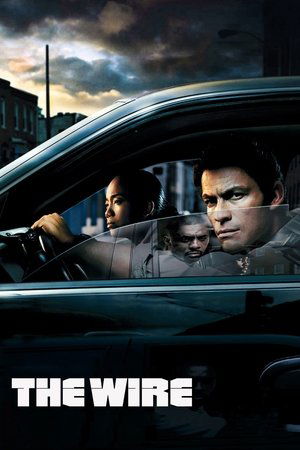
On the opposite end of the spectrum lies The Wire, a show that didn't just depict reality; it dissected it with surgical precision. David Simon and Ed Burns' creation eschewed easy answers and clear heroes, instead presenting a sprawling, interconnected web of institutions – the police, the drug trade, the docks, the city hall, the schools, the media – all struggling, failing, and often corrupting. Each season peeled back a new layer of Baltimore, revealing the systemic forces that trap individuals, from the corner boy to the high-ranking politician. Its genius lies in its novelistic scope and its insistence on showing, not telling, the cyclical nature of urban decay. Characters are products of their environment, often tragically so, and the moments of triumph are fleeting, overshadowed by the overwhelming tide of the system. The Wire is less a story about individuals and more an epic poem about the city itself, a living, breathing entity whose organs are interconnected and often diseased. Its influence on prestige television is undeniable, setting a benchmark for complex, serialized storytelling that prioritizes verisimilitude over comforting narratives.
Buffy's Supernatural Metaphors

Joss Whedon's Buffy the Vampire Slayer might seem an odd bedfellow for these police procedurals, but its exploration of institutional power and belonging through a supernatural lens is remarkably potent. Buffy Summers (Sarah Michelle Gellar) is burdened with the mantle of the Slayer, an ancient lineage overseen by the Watcher's Council – an archaic, often unhelpful institution that seeks to control her destiny rather than empower her. The show masterfully uses vampires, demons, and apocalypses as metaphors for the trials of adolescence, identity, and the relentless march of change. The Scooby Gang, Buffy's chosen family of friends and confidantes, stands as a direct counterpoint to the rigid, often patriarchal Council. Their bond is the true strength of the series, demonstrating how personal connections can challenge and ultimately redefine oppressive traditions. Buffy’s world-building, blending teen drama with horror and humor, allowed it to tackle complex themes of power, consent, and sacrifice with surprising depth and lasting cultural impact, proving that genre fiction can be profoundly insightful. The town of Sunnydale, built on a Hellmouth, itself functions as a contained, chaotic institution, forcing its inhabitants into a constant state of vigilance and community.
Schitt's Creek's Redemptive Odyssey

Then there's Schitt's Creek, a show that begins with the ultimate stripping away of institutional power and material comfort. The wealthy Rose family loses everything and is forced to relocate to the titular small town they once bought as a joke. This premise sets the stage not for a critique of a large, existing system, but for the slow, painful, and ultimately beautiful construction of new forms of belonging and personal agency. The "institution" here isn't a government body, but the family unit itself, which is initially fractured and superficial. The town of Schitt's Creek, initially viewed with disdain, becomes a crucible for genuine human connection and self-discovery. The show's genius lies in its radical optimism, refusing to lean into cynicism and instead charting a course toward redemption, love, and community. Its journey is a testament to the idea that even without the grand structures of society, profound lessons about humanity can be learned in the most unexpected places. The gradual, often hilarious, evolution of each Rose family member is a masterclass in character writing, proving that comfort can be found not in wealth, but in genuine connection.
Dissecting the Machine: Institutional Scrutiny & Societal Reflection
Power Structures & Moral Quandaries
When it comes to tearing down the facade of institutional power, The Wire remains the undisputed champion. Its meticulous, almost anthropological approach to the various systems of Baltimore is unparalleled. From the labyrinthine bureaucracy of the police department, where statistics matter more than justice, to the dysfunctional public school system that churns out kids for the drug trade, every institution is shown to be a self-perpetuating, often morally bankrupt entity. The series doesn't just show corruption; it illustrates why it exists and how even well-meaning individuals become cogs in a broken machine. Consider the Hamsterdam experiment in Season 3, a noble but ultimately doomed attempt to contain the drug trade, crushed by political expediency and the inability of the system to tolerate deviation from its established, failing norms. Or the soul-crushing despair of the school system in Season 4, where caring teachers are overwhelmed by a system designed for failure, ultimately funneling children into the very street life they tried to escape. The Wire is a masterclass in systemic critique, showing how power perpetuates itself, often at the expense of human lives, and how attempts at reform are frequently absorbed and neutralized by the larger, entrenched apparatus.
Brooklyn Nine-Nine, while a comedy, has surprisingly sharp teeth when it chooses to use them. It doesn't dismantle entire civic structures like The Wire, but it intelligently interrogates the micro-institutions within its precinct. Captain Holt, as a gay Black man in a leadership position, embodies the struggle against institutional prejudice, having fought his entire career to simply exist and thrive. Later seasons directly addressed police brutality, racial profiling, and implicit bias, particularly in episodes like "Moo Moo" or the final season's more direct engagements with police reform. These aren't just one-off 'very special episodes'; they integrate systemic critiques into the character arcs, showing how even a good-hearted police force operates within a flawed system. While it maintains its optimistic core, it grounds its idealism in a recognition of real-world problems, depicting genuine efforts at change from within. For a deeper dive into how TV explores workplace pressures, see Why High-Stakes TV Is Actually a Workplace Horror Genre.
Buffy the Vampire Slayer critiques institutions not through socio-economic analysis, but through allegorical power structures. The Watcher's Council is a perfect example: an ancient, elitist, all-male organization that views Buffy as a tool, not a person. Their rigid rules and adherence to tradition often hinder, rather than help, the fight against evil, prioritizing arcane texts over human lives. This theme culminates in Season 3's "Helpless," where the Council deliberately strips Buffy of her powers before a crucial fight, purely to test her readiness, endangering lives for a bureaucratic formality. Its eventual destruction and the formation of a more inclusive, empowering network of Slayers by the series' end is a powerful statement on dismantling oppressive hierarchies.
Then there's Schitt's Creek. Its critique isn't of existing large-scale systems, but rather the internalized institutions of class, privilege, and superficiality that initially define the Rose family. Their forced relocation strips away the institutional safety nets they once relied upon, forcing them to confront the moral bankruptcy of their former lives. The town itself, through its lack of amenities and reliance on community, acts as a sort of anti-institution, nurturing genuine connection over transactional relationships. The show implicitly argues that the best way to address systemic flaws is to cultivate strong personal ethics and community bonds, rather than trying to fix a broken, sprawling machine.
Dimension Score: Institutional Scrutiny
- The Wire: Unparalleled in its comprehensive, unflinching dissection of systemic decay.
- Brooklyn Nine-Nine: Offers sharp, relevant critiques from within, balancing humor with hard truths.
- Buffy the Vampire Slayer: Uses allegory effectively to critique oppressive, patriarchal structures.
- Schitt's Creek: Focuses on dismantling internalized class structures rather than external large-scale systems.
Forging Bonds: Ensemble Dynamics & Character Evolution
Beyond the critique of institutions, a show's lasting power often lies in the human connections it portrays. How do these characters navigate their worlds, and how do their relationships shape their journeys?
The Heart of the Nine-Nine and Rosebud Motel
Both Brooklyn Nine-Nine and Schitt's Creek excel in crafting ensembles that feel like genuine families, albeit of different kinds. The 99th precinct is a found family, where diverse personalities like the stoic Holt and the goofy Jake learn to respect, love, and grow because of their differences. Their evolution is always about becoming better together, whether it's Jake maturing through Amy's influence or Rosa finding vulnerability with her friends. Similarly, the Rose family in Schitt's Creek undergoes a profound metamorphosis, shedding their self-centered shells to become a truly functional, loving unit. Johnny and Moira rediscover their marriage, David finds stable love with Patrick, and Alexis blossoms into an independent, compassionate woman. Their journey is a testament to the idea that belonging isn't about fitting in, but finding a place where you are truly seen and celebrated, even in a motel in a podunk town. This emphasis on mutual support and authentic personal growth makes both shows incredibly heartwarming and aspirational, showcasing the positive side of navigating a community.
Darkness and Devotion in Sunnydale
Buffy the Vampire Slayer is, at its core, a story about the power of friendship and chosen family against overwhelming odds. The Scooby Gang – Buffy, Willow, Xander, and Giles – are her literal and emotional support system, a crucial counterpoint to the isolating burden of being the Chosen One. Their relationships are complex, marked by jealousy, sacrifice, and unbreakable loyalty. Willow's journey from shy nerd to powerful witch, Xander's unwavering heart, and Giles's paternal guidance all contribute to a sense of genuine, evolving camaraderie. The show effectively portrays how these bonds are tested by supernatural threats and personal demons, but ultimately, they are the source of the characters' greatest strengths. It’s an ensemble that weathers death, betrayal, and multiple apocalypses, always returning to the core truth that they are stronger together, even in their brokenness. For more on TV's best social ecosystems, consider The Ensemble Crucible Scorecard: Ranking TV's Best Social Ecosystems.
The Isolated Cogs of Baltimore
In stark contrast, The Wire deliberately de-emphasizes deep, enduring personal bonds in favor of illustrating the systemic forces that isolate individuals. While characters like McNulty and Bunk share a cynical camaraderie, or Bubbles finds fleeting moments of connection, these relationships are often transactional, strained by the pressures of their environment, or ultimately tragic. The show's strength lies in depicting how characters are largely defined by their roles within their respective institutions, rather than by their interpersonal warmth. The police officers, drug dealers, and politicians are all, to varying degrees, alienated by the system, making genuine, unvarnished human connection a rare and often vulnerable commodity. This choice, while contributing to its brutal realism, means The Wire struggles to deliver the emotional uplift and character growth found in the other series.
Dimension Score: Ensemble Dynamics & Character Evolution
- Brooklyn Nine-Nine: Exemplary portrayal of a supportive, growing found family with nuanced individual arcs.
- Schitt's Creek: Masterful depiction of family redemption and the transformative power of genuine connection.
- Buffy the Vampire Slayer: Creates a complex, resilient chosen family that stands as the heart of the series.
- The Wire: Focuses on systemic isolation, with character bonds often secondary and tragically limited.
Lasting Echoes: Cultural Impact & Rewatchability
The ultimate test for any acclaimed series is its ability to resonate beyond its initial run. Which of these shows continues to shape conversations, influence new content, and draw viewers back for repeat engagements?
Defining Prestige & Social Commentary
The Wire has undeniably secured its place in the pantheon of television. It's cited in university courses, discussed by policymakers, and frequently tops 'greatest shows of all time' lists. Its influence on the very concept of "prestige television" cannot be overstated, pioneering complex, serialized storytelling that tackles societal issues with novelistic ambition. Its rewatchability comes from its intricate plotting and the sheer density of its world-building, rewarding repeat viewings with new insights into its systemic critiques. Every rewatch feels like discovering a new layer of its meticulously constructed sociological study. Conversely, Brooklyn Nine-Nine has carved out its own unique niche. While not reaching the academic reverence of The Wire, its cultural impact lies in its consistent ability to deliver comfort, joy, and increasingly, thoughtful social commentary. It became a benchmark for how to integrate inclusive casting and progressive messaging into mainstream comedy without sacrificing humor. Its rewatchability is incredibly high; it's the ultimate pick-me-up, a show you can jump into at any episode and find immediate laughter and warmth, a testament to its expertly crafted character dynamics and consistent comedic writing.
Genre Innovation & Inclusivity
Buffy the Vampire Slayer remains a genre-defining powerhouse, influencing generations of female-led action and supernatural dramas. Its impact on pop culture, particularly in discussions of feminism, queer representation, and complex heroines, continues to this day. Buffy proved that genre fiction could be smart, emotionally resonant, and deeply thematic, shattering perceptions of what a "teen show" could achieve. Its sharp dialogue, iconic characters, and willingness to take narrative risks (like the musical episode "Once More, with Feeling") make it endlessly rewatchable, offering fresh perspectives on its themes of power and identity with each viewing. And then there's Schitt's Creek, a slow-burn sensation that blossomed into a cultural phenomenon for its radical optimism and groundbreaking depiction of LGBTQ+ relationships. Its clean sweep at the Emmys in 2020 was a landmark moment, cementing its legacy as a show that championed kindness, acceptance, and the transformative power of unconditional love. Its gentle humor and heartfelt character arcs make it an incredibly comforting and uplifting rewatch, a balm in cynical times that reaffirms the best of humanity.
Dimension Score: Cultural Impact & Rewatchability
- The Wire: Unrivaled as a critical darling and academic touchstone, influencing prestige TV for decades.
- Buffy the Vampire Slayer: Pioneering genre-bender, feminist icon, and enduring pop culture touchstone.
- Brooklyn Nine-Nine: A beloved comfort show with growing recognition for its nuanced social commentary.
- Schitt's Creek: A late-blooming phenomenon celebrated for its heartwarming message and inclusive representation.
The Final Tally: Declaring the Champion
This wasn't just a contest of bleak realism versus comforting idealism; it was a deeper examination of how shows address systemic issues and human resilience. While The Wire remains a masterclass in institutional deconstruction, its often-deterministic view leaves little room for the sustained, character-driven warmth that fosters genuine change and belonging. Brooklyn Nine-Nine skillfully weaves sharp social observations into its fabric without sacrificing the genuine human connection that makes its world worth inhabiting. When evaluating belonging, institutional power, and the tension between comfort and change, the ability to find hope and agency within a system, however flawed, is paramount. Brooklyn Nine-Nine delivers that with a wit and heart that The Wire, for all its brilliance, simply couldn't touch.
Editor's Verdict
Brooklyn Nine-Nine is a rare comedic gem that consistently delivers laughs while evolving its characters and deftly engaging with complex societal issues, proving that a sitcom can achieve deeper resonance than many acclaimed dramas. Its final season's nuanced approach to police reform, while imperfect, showcased a commitment to relevant storytelling often absent from its peers.
FAQ
Is Brooklyn Nine-Nine a 'realistic' portrayal of police work?
While highly fictionalized for comedic effect, Brooklyn Nine-Nine did evolve to incorporate more realistic challenges and ethical dilemmas faced by police, particularly in its later seasons, addressing issues like racial profiling and police reform with a nuanced approach for a sitcom.
Why is The Wire considered so influential?
The Wire is lauded for its novelistic, multi-perspective approach to depicting systemic failure across various Baltimore institutions, offering an unflinching and complex sociological examination that influenced a generation of 'prestige' television dramas.