The Ties That Bind (and Break): Ranking TV's Best Ensembles Under Pressure
From post-apocalyptic survivors to paper pushers, we dissect how well these shows forge community when life throws a wrench in the works.
What truly happens to our sense of self when the ordinary structures of life crumble, forcing us into uncomfortable proximity with others? The answer, as these shows prove, is often a messy, brutal, and profoundly human testament to our innate need for belonging.
Navigating Collective Identity in Crisis: Top TV Ensembles
This scorecard dives deep into the art of ensemble storytelling, evaluating how different series explore the complexities of human connection when communities are forged not by choice, but by circumstance. We’ll be scrutinizing:
- The nuanced workplace dynamics of Dunder Mifflin's Scranton branch.
- Survival and chosen family aboard the ragtag spaceship Serenity.
- Monterey's dark secrets and the fierce bonds of 'The Monterey Five'.
- Rebuilding humanity amidst the relentless zombie apocalypse.
- The power of optimism and vulnerability in a struggling football club.
Our Yardstick for Measuring Cohesion: The Lit-Pop Ensemble Scorecard
To cut through the noise and genuinely assess how effectively these series portray belonging under duress, I've devised a rigorous, four-part scoring system. Each category is worth 10 points, for a maximum total of 40. No participation trophies here; only authentic, earned cohesion makes the cut.
Ensemble Cohesion (0-10)
This metric assesses how well the characters coalesce into a believable, interdependent unit. Are they merely individuals sharing screen time, or do their motivations, conflicts, and triumphs genuinely intertwine to form a single, dynamic entity? A high score indicates organic chemistry and a sense that the group is more than the sum of its parts.
Pressure Cooker Dynamics (0-10)
This score measures the efficacy of external and internal pressures in revealing character and shaping group identity. Whether it’s societal judgment, a literal apocalypse, or the soul-crushing banality of the 9-to-5, how effectively does the show use these forces to forge, fray, or fundamentally alter the bonds between its members? The higher the score, the more profoundly the pressure illuminates the human condition.
Authenticity of Belonging (0-10)
Beyond mere cohabitation, does the sense of community feel earned, complex, and true to life? Does the show shy away from the uglier aspects of group dynamics—the compromises, the power struggles, the necessary deceptions—or does it embrace them as integral to forming genuine connections? Saccharine, unearned sentiment will be penalized heavily. True belonging is often hard-won and fragile.
Narrative Impact (0-10)
Finally, how compelling and enduring is the story as a direct result of its ensemble and the challenges they face? Does the show leverage its group dynamics to deliver truly memorable arcs, poignant moments, or devastating consequences? This isn't just about plot; it's about how the collective journey resonates long after the credits roll.
Dissecting the Bonds: A Ranked Examination
The Walking Dead: From Survival to Societal Struggle

- Ensemble Cohesion: 9/10
- Pressure Cooker Dynamics: 10/10
- Authenticity of Belonging: 9/10
- Narrative Impact: 7/10
- Total: 35/40
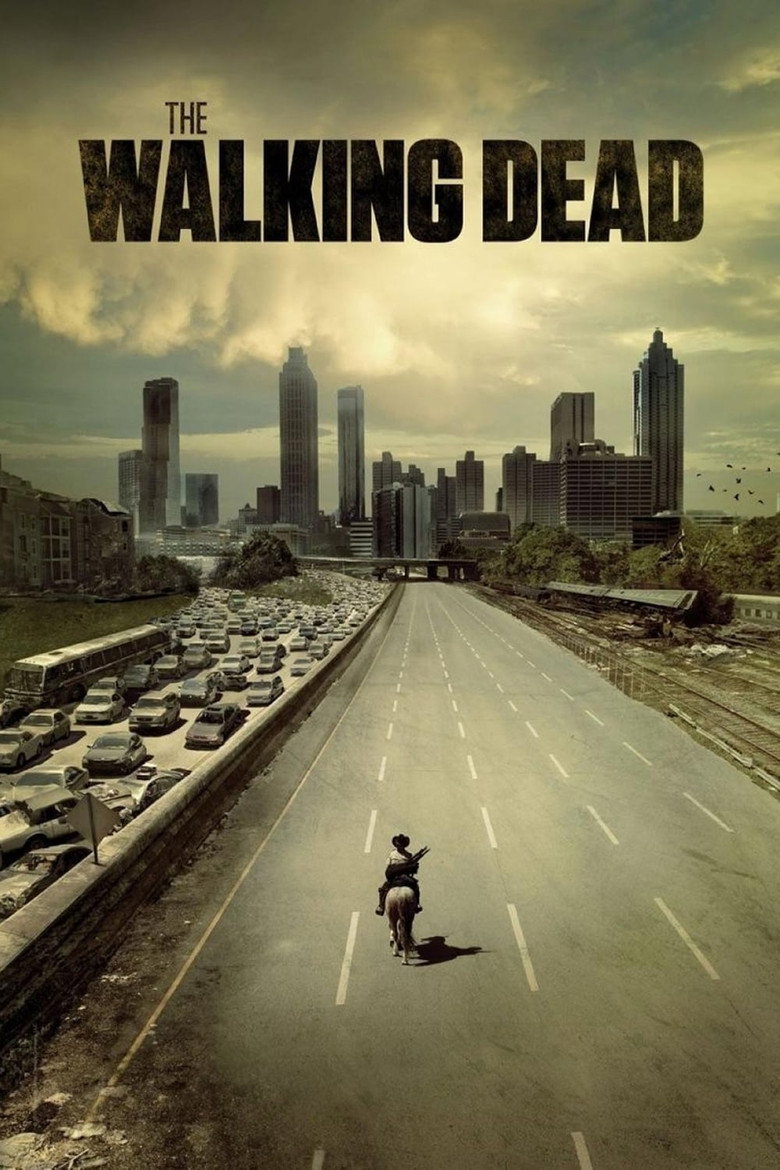
When it comes to 'belonging under pressure,' few shows have put their characters through the wringer quite like The Walking Dead. In its early seasons, this series was a masterclass in how humanity rebuilds itself from the ashes of civilization, driven by sheer terror and the desperate need for connection. Rick Grimes's initial group—from the pragmatic Daryl to the conflicted Shane—felt like a truly emergent family, their bonds forged in the crucible of walker hordes and the even deadlier threat of other survivors. The show excelled at demonstrating the raw, often brutal, process of forming a new social contract when all established norms are obliterated. Every shelter, every meal, every fleeting moment of peace was a collective achievement, bought with blood and sacrifice. The show's portrayal of community, particularly in places like the prison or Alexandria, wasn't just about survival; it was about the complex, often heartbreaking, negotiation of values, leadership, and moral lines in a world without them. The series frequently explored the philosophical implications of belonging, showing how easy it is to betray your humanity when protecting your 'tribe' becomes paramount. However, as the series wore on, its narrative impact waned. The constant introduction of new, cartoonishly evil antagonists, coupled with a revolving door of beloved characters, began to dilute the emotional weight. The original ensemble's deep-seated relationships, once the bedrock of the show, were increasingly sidelined for repetitive cycles of conflict. While its initial seasons remain exemplary for their exploration of human adaptation and tribalism under duress, the later years struggled to maintain that sharp, poignant focus, becoming more a series of escalating threats than a nuanced character study. For more on shows like this, check out our Fractured Worlds Scorecard: Ranking TV’s Best Survival Dramas.
Firefly: A Motley Crew Against the Black

- Ensemble Cohesion: 9/10
- Pressure Cooker Dynamics: 8/10
- Authenticity of Belonging: 8/10
- Narrative Impact: 9/10
- Total: 34/40
Joss Whedon's tragically short-lived Firefly is a masterclass in the 'found family' trope, perfected. Aboard the cargo ship Serenity, Captain Malcolm Reynolds leads a crew of misfits, outlaws, and refugees, all bound by shared circumstance and a defiant independence from the omnipresent Alliance. The brilliance of Firefly's ensemble lies in its instant, palpable chemistry. From the stoic Wash and his fiery wife Zoe, to the spiritual Book and the naive Kaylee, each character is distinct, yet their interactions weave a tapestry of interdependence. Their loyalty isn't born of shared ideology, but of mutual need and a deep-seated respect forged in countless brushes with death and destitution. The pressure isn't just external—the Alliance, Reavers, precarious heists—but also internal, as they navigate their own pasts and the moral ambiguities of their chosen lives. Episodes like "Out of Gas," which flashes back to how the crew came together, perfectly illustrate the deliberate, often difficult, process of building genuine connection in a world that offers little solace. The show never shies away from the friction inherent in such a diverse group; Mal's authoritarianism clashes with Jayne's self-interest, and the presence of the mysterious River Tam constantly threatens to unravel their precarious peace. This tension, rather than undermining their cohesion, actually strengthens the authenticity of their belonging. It's not a perfect family, but it's their family. The narrative impact is undeniable; despite its truncated run, Firefly created a universe and a family that has resonated with audiences for decades, proving that a truly well-crafted ensemble can transcend episode counts.
Ted Lasso: Optimism, Under Duress
- Ensemble Cohesion: 7/10
- Pressure Cooker Dynamics: 7/10
- Authenticity of Belonging: 7/10
- Narrative Impact: 8/10
- Total: 29/40
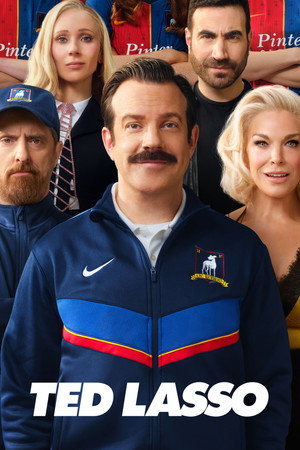
Ted Lasso burst onto the scene promising a dose of much-needed optimism, and for a while, it delivered a potent, heartwarming exploration of community. The premise—an American football coach leading an English soccer team—is a ready-made pressure cooker, isolating Ted and forcing him to build bridges with a skeptical, often hostile, new 'family.' The initial seasons excelled at showcasing how Ted's relentless positivity chipped away at cynicism, fostering genuine bonds within the AFC Richmond locker room. Characters like the gruff Roy Kent, the insecure Jamie Tartt, and the initially vengeful Rebecca Welton all found a surprising sense of belonging under Ted's unconventional leadership. The show depicted the messy, vulnerable process of men (and women) learning to communicate, support each other, and confront their own emotional baggage. The rituals of team dinners, dart games, and 'Believe' signs became powerful symbols of their growing cohesion. However, as the series progressed, especially into its final season, the pressure cooker dynamics became less about organic character development and more about manufactured drama. The relentless optimism, once a strength, began to feel like a narrative shield, occasionally preventing truly difficult conversations or nuanced conflicts from playing out. The authenticity of belonging, while still present, occasionally veered into saccharine territory, sacrificing complexity for comfort. While its narrative impact remains significant for its embrace of kindness and emotional intelligence in a cynical world, the later seasons lacked the bite and depth that defined its early brilliance, feeling more like a curated TED Talk than a fully realized exploration of communal struggle. For more on workplace dynamics, consider Why High-Stakes TV Is Actually a Workplace Horror Genre.
Big Little Lies: Secrets, Sisterhood, and Suburban Strain

- Ensemble Cohesion: 7/10
- Pressure Cooker Dynamics: 8/10
- Authenticity of Belonging: 6/10
- Narrative Impact: 7/10
- Total: 28/40
Big Little Lies' first season was a masterclass in how a shared secret can forge an unbreakable, if morally compromised, bond between disparate women. Set against the stunning, yet suffocating, backdrop of Monterey, this series expertly explored the pressures of wealth, motherhood, and social expectation. The titular 'Monterey Five'—Celeste, Madeline, Jane, Bonnie, and Renata—are initially a fractious group, brought together by their children's school and an underlying tension that simmers beneath their perfect facades. The genius of the show lies in its slow, deliberate build-up, using a central mystery (who died and why?) to amplify the internal and external pressures on these women. The pressure cooker dynamics are off the charts, revealing the cracks in their marriages, their friendships, and their carefully constructed public images. The authenticity of their belonging, however, is a double-edged sword. While their solidarity in the face of immense scrutiny is powerful, it’s also born of deceit and trauma, making it a fragile, almost transactional form of connection. It’s less about genuine intimacy and more about a shared conspiracy, which, while dramatically compelling, limits its ability to portray deep, unconditional belonging. The narrative impact of the first season was undeniable, a sharp, insightful critique of modern womanhood and the secrets we keep. The second season, unfortunately, struggled to recapture that magic, feeling like an unnecessary extension that diluted the initial impact and stretched the credibility of their collective secret. It lost some of its sharp edge, focusing more on the external pressures of Meryl Streep's character than the internal dynamics of the group, which ultimately cost it points.
The Office: The Mundane Magic of Misery

- Ensemble Cohesion: 8/10
- Pressure Cooker Dynamics: 6/10
- Authenticity of Belonging: 6/10
- Narrative Impact: 7/10
- Total: 27/40
The American version of The Office built its comedic empire on the subtle, often excruciating, pressures of the modern workplace. While not facing literal zombies or intergalactic bounty hunters, the Dunder Mifflin Scranton branch is a microcosm of forced community, where individuals are bound by the shared misery of cubicle life and the often-cringe-inducing leadership of Michael Scott. The ensemble cohesion, particularly in its golden seasons, was remarkable. The quirky, deeply flawed characters—from the sycophantic Dwight to the lovelorn Jim and Pam—felt like a genuine, if dysfunctional, family. Their shared glances at the camera, their collective eye-rolls at Michael's antics, and their internal rivalries all contributed to a rich tapestry of relationships. The 'pressure cooker' here is the relentless mundanity, the existential dread of pointless tasks, and the constant threat of corporate downsizing. These pressures force them into an uncomfortable intimacy, revealing their true selves in moments of boredom, desperation, and unexpected camaraderie. However, the authenticity of belonging sometimes feels more like Stockholm Syndrome than genuine affection. While there are undeniably heartfelt moments, much of their 'togetherness' is a coping mechanism for an inescapable situation. The show’s narrative impact is undeniable; it redefined the workplace sitcom and created iconic characters. Yet, as with many long-running series, the later seasons struggled to maintain the delicate balance between cringe comedy and genuine pathos, occasionally sacrificing character consistency for increasingly outlandish scenarios. The show's peak seasons, however, remain a brilliant, uncomfortable testament to finding connection in the most unlikely of places. For a deeper dive into workplace dynamics, explore The Ensemble Crucible Scorecard: Ranking TV's Best Social Ecosystems.
Parks and Recreation: Bureaucracy's Benevolent Bunch

- Ensemble Cohesion: 8/10
- Pressure Cooker Dynamics: 5/10
- Authenticity of Belonging: 7/10
- Narrative Impact: 6/10
- Total: 26/40
Parks and Recreation offers a lighter, yet still compelling, take on workplace belonging. Leslie Knope's relentlessly optimistic spirit anchors a diverse cast within the Pawnee Parks Department, attempting to achieve local government glory against a backdrop of public apathy and bureaucratic inertia. The ensemble cohesion here is a slow burn, earning its warmth over several seasons. Initially, characters like the cynical April Ludgate or the libertarian Ron Swanson resist Leslie's earnest attempts at camaraderie, but their eventual, undeniable affection for one another feels genuinely earned. This isn't just a group of colleagues; they become a true found family, celebrating each other's triumphs and weathering personal and professional setbacks together. The pressure cooker dynamics, however, are less intense than in other entries. While they face the frustrations of government red tape, budget cuts, and eccentric townsfolk, the stakes rarely reach existential levels. The show's charm lies in its low-stakes, feel-good ethos, which, while endearing, doesn't always push its characters to the same revelatory extremes as, say, a zombie apocalypse. The authenticity of belonging is high; their loyalty feels genuine and often heartwarming, driven by a shared belief in public service (or at least, tolerating Leslie's belief in it). Yet, this very comfort can sometimes lead to a lack of deep, unsettling conflict that truly tests the limits of their bonds. Its narrative impact is significant for its positive outlook and memorable characters, but it doesn't quite achieve the same profound insights into human nature under dire stress, as its pressures are largely comedic rather than truly harrowing. It’s a wonderful show about community, but perhaps not one forged in the hottest fires of adversity.
The Final Reckoning: Where Loyalty Lands
| Rank | Title | Ensemble Cohesion | Pressure Cooker Dynamics | Authenticity of Belonging | Narrative Impact | Total |
|---|---|---|---|---|---|---|
| 1 | The Walking Dead | 9 | 10 | 9 | 7 | 35 |
| 2 | Firefly | 9 | 8 | 8 | 9 | 34 |
| 3 | Ted Lasso | 7 | 7 | 7 | 8 | 29 |
| 4 | Big Little Lies | 7 | 8 | 6 | 7 | 28 |
| 5 | Parks and Recreation | 8 | 5 | 7 | 6 | 26 |
Editor's Verdict: A Masterclass in Shared Humanity
'The Walking Dead' secures the top spot not for its overall quality throughout its run, but for its unparalleled ability to depict the raw, brutal, and profoundly authentic formation of societal bonds under the most extreme pressure in its prime seasons. While its later narrative faltered, no other series on this list more viscerally illustrates how shared trauma and the fight for survival forge an unbreakable, if morally ambiguous, sense of belonging, earning it a 9/10 for its unflinching portrayal of humanity's crucible.
Like this post? Give it a like and let us know your thoughts on our social channels! We love a good debate over what truly makes a found family on screen.
FAQ
What defines a 'found family' in TV shows?
A 'found family' in TV shows refers to a group of unrelated individuals who form a deep, familial bond, often out of necessity or shared circumstances, providing emotional support and a sense of belonging that may be absent from their biological families. These relationships are typically forged under pressure.
Why is 'belonging under pressure' a compelling theme in television?
This theme is compelling because it dramatically highlights human resilience, the complexities of interpersonal relationships, and how identity is shaped by external forces. It allows writers to explore universal needs for connection and security when ordinary life is disrupted, revealing true character.
Are workplace comedies good examples of 'belonging under pressure'?
Yes, many workplace comedies, like 'The Office' or 'Parks and Recreation,' skillfully portray 'belonging under pressure.' While the pressure isn't life-threatening, it comes from mundane routines, difficult bosses, office politics, and the daily grind, forcing colleagues to form bonds and create a sense of community to cope.