Identity's Crucible: Ranking TV's Boldest Journeys of Self-Discovery
From cosmic bureaucracy to supernatural curses, these five series profoundly challenge what it means to be an individual when reality itself is fluid.
The temporal anomaly shimmered, reflecting a hundred fractured faces of the same God of Mischief. At 2 AM, the glow of the screen painted my living room walls, and as Loki stared into that multiverse of selves, a fundamental question echoed: which one is the Loki? This isn't just a clever sci-fi conceit; it's the core anxiety of modern identity laid bare. When reality itself is a fluid construct and external forces dictate your purpose, what defines an individual? We're not just watching characters grapple with cosmic bureaucracy; we're witnessing a philosophical experiment played out in high definition, probing the deepest anxieties of agency and selfhood.
Unraveling Selfhood: Essential TV Series on Identity and Fluid Reality
This scorecard dives deep into television series that dare to ask who we are when our foundations are shaken. Here’s what we’re dissecting:
- Loki: The God of Mischief's Multiversal Identity Crisis
- The White Lotus: Societal Mirrors and Personal Unraveling
- Angel: The Cursed Soul's Quest for Purpose
- Grimm: Inherited Destinies and Chosen Paths
- Utopia: Systemic Control and the Fight for Individual Truth
The Identity Crucible: My Discerning Criteria for Self-Exploration on Screen
To truly dissect how these series grapple with the intricate tapestry of human identity, I've devised a rigorous scoring system. Forget vague notions of "good writing"; we're drilling down into the specifics. Each series will be judged across four crucial dimensions, with a maximum of 10 points per category, for a total possible score of 40 points.
- Identity Deconstruction (0-10 points): This score reflects how profoundly the series challenges, fragments, or redefines the core self of its characters. Does it move beyond superficial character arcs to truly question what makes a person them? We're looking for shows that dismantle pre-conceived notions of personality, memory, and purpose.
- World-Building & Thematic Depth (0-10 points): How original and resonant is the setting? Does the "fluid reality," "supernatural conflict," or "cosmic bureaucracy" effectively serve as more than just window dressing? A high score here means the world itself is integral to the thematic exploration of identity, making the abstract concrete.
- Character Agency & Transformation (0-10 points): This evaluates how compellingly characters confront and react to the forces attempting to control or erase their identities. Are their struggles for agency believable and impactful? Does their transformation feel earned, or is it merely plot convenience? Empty character "growth" gets no quarter here.
- Narrative & Pacing (0-10 points): Does the storytelling effectively convey its complex themes without becoming muddled or overly didactic? Is the pacing sharp, keeping the viewer engaged while allowing ample room for philosophical rumination? Narrative clarity and impactful plot points that directly inform identity are key. Bloated exposition or gratuitous subplots will be penalized.
When Worlds Warp: Dissecting the Contenders
The God of Mischief's Mirror: Loki's Identity Paradox
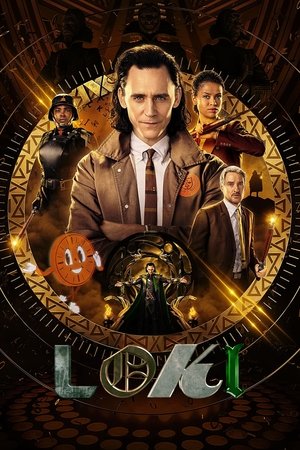 The MCU's foray into multiversal shenanigans could have been a chaotic mess of fan service, but Loki transcends its franchise obligations to deliver a surprisingly potent meditation on selfhood. What truly elevates this series is its audacious premise: taking a character defined by his trickery and self-interest, and forcing him to confront countless variants of himself, each a mirror reflecting potential paths taken and identities forged. The Time Variance Authority (TVA) is not just a cosmic bureaucracy; it's a symbolic institution of conformity, attempting to prune away any deviation from a "sacred timeline," effectively denying individual agency and unique identity. Loki's journey is one of self-discovery through negation. He's stripped of his powers, his godhood, and his very purpose, forcing him to reckon with who he is without the trappings of villainy or even heroism. The constant interplay with Sylvie, a female variant, isn't just a romance; it's an internal dialogue, a confrontation with a different facet of his own potential. When he embraces the "glorious purpose" of preserving free will rather than conquest, it's not a sudden redemption, but an earned evolution of identity, deeply informed by the existential weight of the multiverse. The series, particularly its second season, commits to this theme, culminating in a literal apotheosis of self-sacrifice that redefines his entire being, moving from trickster god to keeper of time itself. It’s a bold, if occasionally convoluted, narrative choice that demands a thoughtful engagement with its central character’s evolving soul.
- Identity Deconstruction: 9/10 (Brilliantly fractures and reassembles Loki's established persona, forcing him to question his fundamental nature and purpose beyond superficial roles.)
- World-Building & Thematic Depth: 8/10 (The TVA and the branching timelines are more than plot devices; they are direct allegories for societal pressures on individuality and the illusion of free will. The thematic resonance is often profound, despite occasional narrative sprawl.)
- Character Agency & Transformation: 9/10 (Loki's journey from narcissistic schemer to a selfless protector of the timeline is one of the most compelling character arcs in the MCU, driven by genuine internal conflict and hard-won choices. His sacrifices feel truly impactful.)
- Narrative & Pacing: 7/10 (While often sharp and witty, the narrative can get bogged down in exposition and technical jargon, particularly in the mid-sections of both seasons. However, the emotional core and character beats remain strong, preventing it from completely derailing.)
- Total: 33/40
Paradise Lost, Selves Found: The White Lotus's Brutal Honesty
 Mike White’s The White Lotus is a masterclass in dissecting identity through the lens of extreme privilege and vacation escapism. Each season, set in a new opulent resort, introduces a fresh ensemble of wealthy guests and the staff catering to their whims, forcing them into close quarters where their carefully constructed personas inevitably crack. The series excels at revealing the psychological divisions imposed by societal class and personal insecurity. Characters arrive believing they know themselves, or at least how they wish to be perceived, only for the relentless pressures of their surroundings—and their own unresolved traumas—to strip away the facade. Consider Tanya McQuoid, a standout across both seasons; her desperate search for connection and meaning, perpetually undermined by her own blind spots and the predatory nature of those around her, is a devastating portrait of arrested development. The show brilliantly uses its idyllic, confined settings to highlight the internal turmoil, turning picturesque beaches and lavish suites into psychological pressure cookers. It's a brutal, often uncomfortable mirror held up to the audience, questioning not just who these characters are, but who we are when our external markers of success or happiness are challenged. The satirical edge is razor-sharp, but beneath the cringe comedy lies a profound exploration of existential dread, the performance of self, and the often-futile quest for belonging in a world obsessed with appearances. For more on how confined settings amplify character, check out our piece on Pressure Cooker TV: '56 Days' vs. 'The Pitt'.
- Identity Deconstruction: 9/10 (Relentlessly peels back layers of privilege, insecurity, and performance to reveal the raw, often unlikable core of its characters. It's an unflinching look at how external systems—wealth, social status—shape and distort self-perception.)
- World-Building & Thematic Depth: 8/10 (The resort as a temporary, isolated ecosystem is brilliant. It’s a contained experiment where societal norms are subtly warped, creating a perfect crucible for identity crises. The opulence itself is thematic, hiding the rot beneath.)
- Character Agency & Transformation: 7/10 (While characters often grapple with profound issues, true, lasting transformation is rare and often tragic. The show's point is often the lack of genuine change, showing how deeply entrenched identities and patterns can be, which is thematically consistent but can feel static for individual arcs.)
- Narrative & Pacing: 9/10 (Masterful pacing, blending dark comedy with genuine suspense. Each season builds expertly to a fatal conclusion, with every subplot serving to deepen character and thematic resonance. There’s no wasted moment; every witty line and uncomfortable silence contributes.)
- Total: 33/40
The Angel's Burden: Redemption and Selfhood in the Supernatural – Angel
 Before the current glut of gritty reboots and dark fantasy, there was Angel, a spin-off that quickly carved out its own distinct, bleaker identity. Following the titular vampire cursed with a soul, Angel's entire existence is a constant battle for selfhood, defined by his past sins and his relentless, often futile, quest for redemption. Unlike many supernatural shows where identity is a given, Angel’s identity is fluid and conditional. The loss of his soul means reverting to a demonic persona, a terrifying reminder of the monster he could become. This isn't just a plot device; it's the ultimate external system imposing psychological division, forcing him to continually choose who he is. His agency is constantly tested by ancient prophecies, cosmic entities like Wolfram & Hart, and the weight of centuries of atrocities. The show expertly explores how a chosen family—his detective agency—becomes essential to anchoring his fragile sense of self, providing purpose beyond his curse. The later seasons, particularly the morally murky Season 5, delve into the insidious nature of power and compromise, challenging Angel's belief that he can remain good while fighting evil from within the system. His evolution from brooding loner to a leader willing to make impossible choices is a masterclass in character development, illustrating that identity is not fixed but a continuous, often painful, negotiation with one's own nature and the world's darkness. This series understands that true self-discovery isn't pretty; it's a messy, bloody brawl. This kind of nuanced moral landscape often defines prestige television, as explored in our piece Why Moral Ambiguity Isn't Enough: The Real Anatomy of Prestige TV.
- Identity Deconstruction: 9/10 (Angel's very existence is a deconstruction of identity: a demon with a soul. The show constantly questions what truly defines him, especially when his soul is lost or tested. It's a deep dive into guilt, atonement, and the struggle to define oneself against a monstrous past.)
- World-Building & Thematic Depth: 8/10 (The urban supernatural noir setting of Los Angeles is brilliantly used as a purgatory for lost souls. The eternal conflict between good and evil, personified by Wolfram & Hart, is not just a backdrop but a direct challenge to the characters' moral identities and their agency. The thematic exploration of redemption is central and profound.)
- Character Agency & Transformation: 9/10 (Angel's transformation across five seasons is exceptional. His struggle for agency against powerful, often unseen, forces is consistent and compelling. He makes difficult, sometimes devastating, choices that directly impact his sense of self and purpose. The character development is among the best in genre television.)
- Narrative & Pacing: 7/10 (While the show delivers incredible emotional payoffs and high-stakes arcs, early seasons can suffer from a "monster-of-the-week" format that occasionally dilutes the overarching thematic thrust. Later seasons improve, but the narrative can sometimes be uneven. However, when it hits, it hits hard.)
- Total: 33/40
Grimm's Lineage Labyrinth: Inherited Selves and New Realities – Grimm
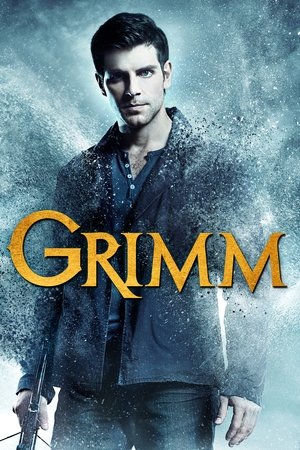 Grimm posits a world where fairy tales are not quaint stories but a hidden, often brutal, reality lurking beneath the surface of modern Portland. Detective Nick Burkhardt discovers he is a "Grimm," a rare individual who can see the true, monstrous forms of mythological creatures (Wesen) living among humans. This revelation shatters his mundane identity as a homicide detective, forcing him to grapple with an inherited legacy that he never chose. His sense of self is fundamentally challenged: is he a cop, a monster hunter, or something in between? The series excels at depicting the tension between his human life and his extraordinary calling, often highlighting how deeply ingrained family history and supernatural lineage can shape one's purpose. Nick’s journey is one of reluctant acceptance and, ultimately, self-definition, as he tries to navigate a world where morality is rarely black and white, and his very nature dictates his path. The show’s strength lies in its procedural format, using "Wesen crimes" to explore broader themes of prejudice, adaptation, and the struggle to maintain one's humanity when confronted with monstrous realities. It’s about discovering your true self not through introspection alone, but through active engagement with an ancient, terrifying heritage. His relationships—with his partner, his Wesen allies, and his family—are constantly tested by the demands of his Grimm identity, demonstrating how profound revelations about oneself can reverberate through every aspect of life.
- Identity Deconstruction: 7/10 (Nick's identity is profoundly altered by his inherited Grimm abilities, forcing him to reconcile his ordinary life with a supernatural calling. The series effectively explores the burden of legacy and the conflict between chosen and inherited self. However, it sometimes prioritizes procedural elements over deeper philosophical dives into identity.)
- World-Building & Thematic Depth: 7/10 (The hidden world of Wesen is well-realized, and its integration into modern society provides fertile ground for themes of otherness, prejudice, and the struggle for coexistence. The lore is rich, but the thematic depth occasionally takes a backseat to creature-of-the-week plots, preventing it from truly soaring.)
- Character Agency & Transformation: 7/10 (Nick's initial reluctance gives way to a strong sense of purpose, and his choices often have significant consequences. However, the cyclical nature of procedural storytelling means his core identity struggles, while present, don't always lead to truly radical, continuous transformation in the same way as, say, Angel or Loki. There's growth, but it can feel incremental.)
- Narrative & Pacing: 7/10 (The show generally maintains engaging pacing, balancing procedural elements with overarching mythological arcs. However, some plotlines stretch too long, and character motivations can occasionally feel repetitive. The narrative is solid but rarely groundbreaking.)
- Total: 28/40
Utopia's Echoes: Collective Identity, Individual Erasure – Utopia
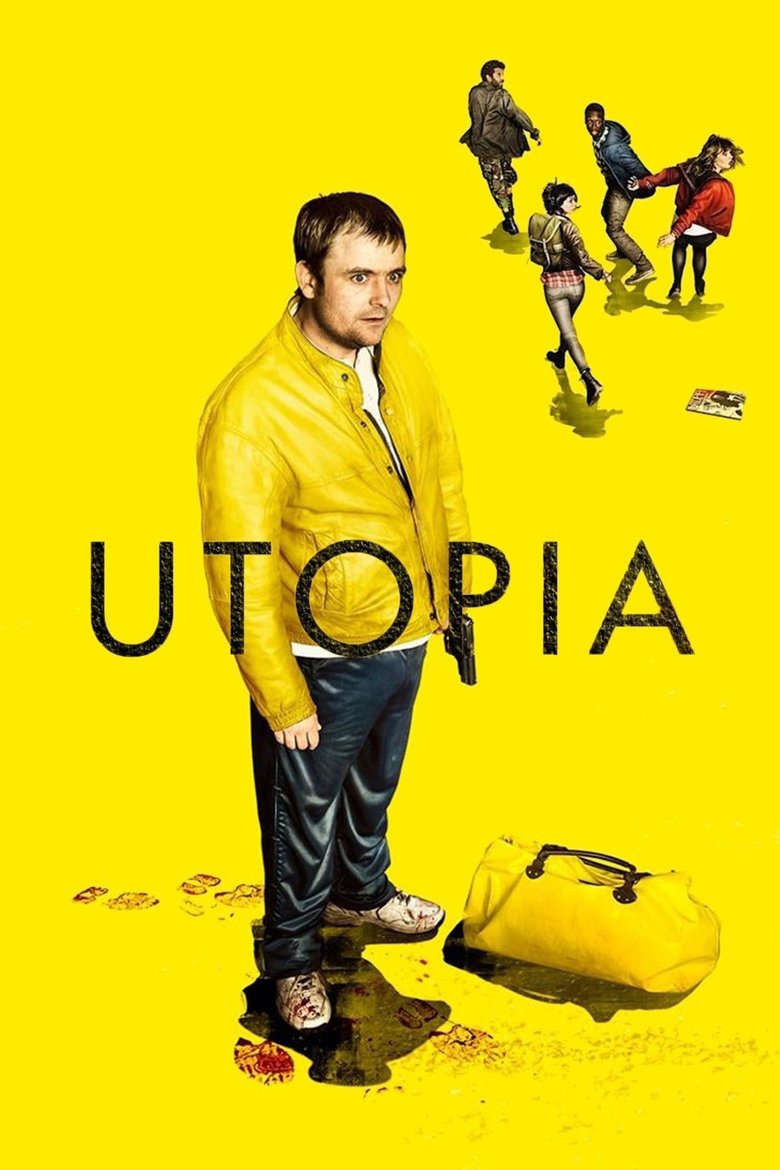
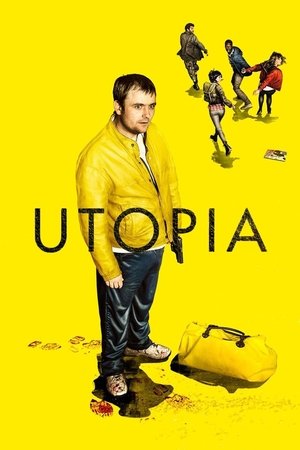 The original UK series Utopia is a masterclass in psychological horror dressed in a vibrant, almost cartoonish, aesthetic. It’s a chilling examination of identity under extreme duress, where a group of strangers finds their lives irrevocably intertwined by a graphic novel foretelling global catastrophes. Their identities are not just challenged; they are actively hunted, erased, and redefined by a shadowy organization known as The Network. What distinguishes Utopia is its brutal assertion that individual identity is fragile, easily manipulated, and ultimately secondary to the grand, terrifying plans of those in power. Characters like Ian and Becky, once ordinary people, are forced to commit unspeakable acts, their moral compasses shattered, their sense of self distorted beyond recognition. The show’s stark, almost clinical violence isn't gratuitous; it’s a visceral representation of the external systems at play, attempting to control their past, present, and future. The identity crisis here is existential: how do you maintain your humanity when you are forced to become a monster to survive, or when your very existence is deemed a threat to a "greater good"? The series is relentlessly unsettling, forcing viewers to confront uncomfortable truths about conformity, complicity, and the terrifying ease with which one's personal agency can be utterly subsumed by a larger, malevolent agenda. For anyone seeking a truly unsettling exploration of systemic control, this is a must-watch, even if it leaves you deeply uncomfortable.
- Identity Deconstruction: 10/10 (Absolutely brutal in its deconstruction. Characters are stripped of normalcy, forced into morally bankrupt choices that utterly redefine their sense of self. It argues that individual identity is fleeting and easily crushed by powerful external systems. The psychological damage is palpable and permanent.)
- World-Building & Thematic Depth: 9/10 (The conspiracy-laden world of Utopia is deeply unsettling, a visceral representation of how abstract, unseen forces can dictate the lives of individuals. The bright, vivid cinematography creates a chilling juxtaposition with the dark themes, making the thematic exploration of control and dehumanization incredibly potent.)
- Character Agency & Transformation: 8/10 (Characters are constantly fighting for agency, but the show is unsparing in showing how often they fail or are forced into horrific compromises. Their transformations are less about growth and more about corrosion, a terrifying descent into what they must become to survive. It’s impactful, but often bleak in its portrayal of agency.)
- Narrative & Pacing: 9/10 (The narrative is a relentless, propulsive thriller. The pacing is tight, and every scene serves to heighten the tension and deepen the thematic dread. It's a masterclass in how to build suspense and convey complex philosophical ideas through action and consequence without ever becoming didactic.)
- Total: 36/40
Final Reckoning: Identity's Architects, Ranked
Here’s how these contenders stack up in their unflinching examination of selfhood and reality:
| Rank | Title | Identity Deconstruction | World-Building & Thematic Depth | Character Agency & Transformation | Narrative & Pacing | Total Score |
|---|---|---|---|---|---|---|
| 1 | Utopia | 10 | 9 | 8 | 9 | 36/40 |
| 2 (tie) | Angel | 9 | 8 | 9 | 7 | 33/40 |
| 2 (tie) | Loki | 9 | 8 | 9 | 7 | 33/40 |
| 2 (tie) | The White Lotus | 9 | 8 | 7 | 9 | 33/40 |
| 5 | Grimm | 7 | 7 | 7 | 7 | 28/40 |
Editor's Verdict
Utopia reigns supreme not just for its unflinching narrative, but because the visual audacity of its aesthetic in its pilot episode alone sets a new standard for how television can juxtapose beauty with visceral horror, a feat that no other series in this ranking fully achieves in its opening. If you want your sense of self dismantled and then rebuilt into something truly unsettling, this is your next binge. Like and share this post if you're ready to question everything!
FAQ
What TV shows best explore identity and selfhood?
Series like *Utopia*, *Loki*, and *The White Lotus* are highly recommended for their deep dives into character identity, agency, and self-perception, often set against complex or challenging realities.
Which show on this list features supernatural elements?
*Angel* and *Grimm* both heavily feature supernatural elements, using vampires, demons, and mythological creatures to explore themes of inherited identity, moral ambiguity, and the search for purpose within a hidden world.
Is the UK version of Utopia significantly different from the US adaptation?
Yes, the original UK series *Utopia* (2013) is known for its distinct visual style, darker tone, and more brutal narrative compared to its US adaptation, which received a more mixed reception.