High-Concept TV Is a Lie: Why Workplace Dramas Are the Real Prestige
The data proves that sci-fi thrillers and crime procedurals are plot-obsessed distractions. True character depth lives in kitchens, cubicles, and animation.

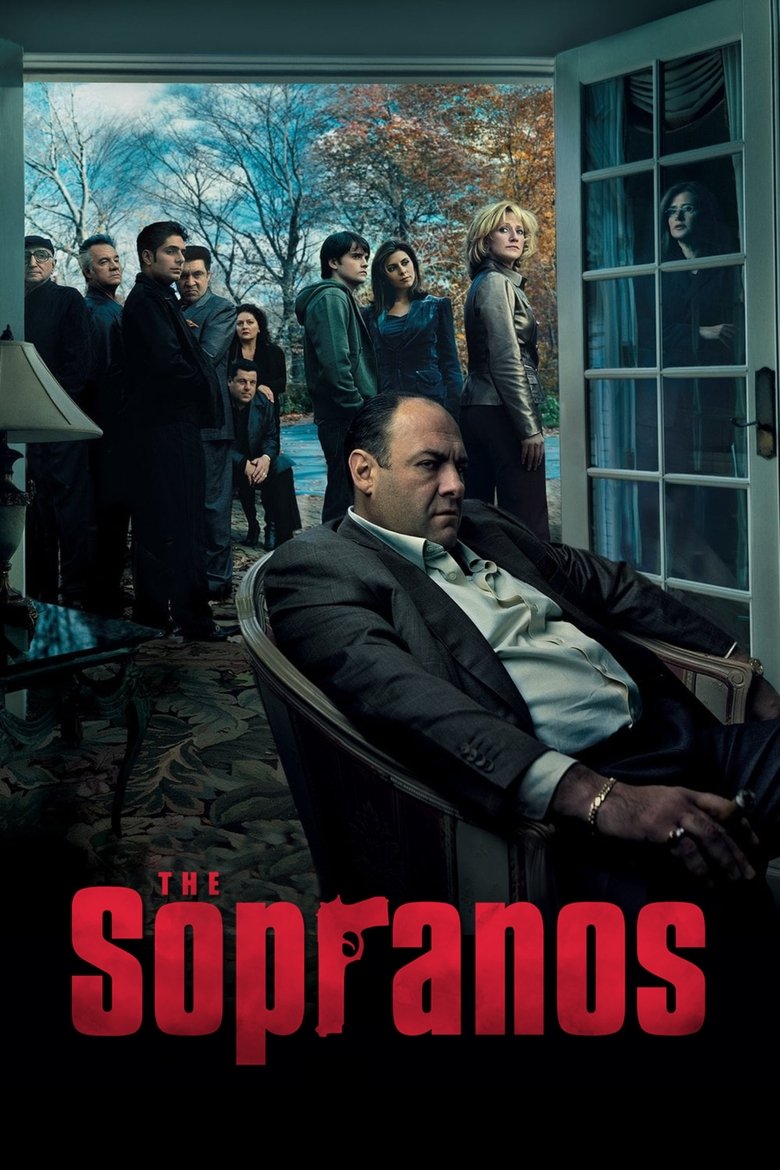
8.7. That is the vote average for The Sopranos on TMDB, a number that has sat at the summit of prestige television for two decades. But look closer at the shows currently chasing that crown in 2026: Severance sits at 8.399, Andor at 8.3, and Sherlock at 8.507. They all hover in the low-to-mid 8s, aggressively marketing themselves as the pinnacle of character-driven storytelling. The data reveals a brutal truth about the modern television landscape: we have completely confused plot complexity with psychological depth. The industry is convinced that a sci-fi neural procedure, a galactic rebellion, or a high-tech detective app constitutes "prestige." It doesn't. True character-driven television doesn't need a memory-wiping chip or a CGI spectacle to generate tension. It just needs a person trapped in a room with their own worst impulses, surrounded by a system designed to grind them down. The real heirs to the anti-hero golden age aren't the space operas or procedural mysteries hoarding buzz on social media. They are the workplace dramas, the cynical sitcoms, and the animated series that weaponize the mundane to explore psychological depth.
Why Character-Driven TV Beats High-Concept Plot in 2026
- How workplace anxiety replaced sci-fi dystopias in prestige television
- The psychological realism of The Bear vs. the plot machinery of Severance
- Why animation and sitcoms are the true successors to The Sopranos
- The data behind modern audience engagement with psychological TV
The Kitchen as a Psychological Pressure Cooker

The Bear isn't just a show about a restaurant; it's a masterclass in environmental storytelling that makes traditional thrillers look like passive bedtime stories. Jeremy Allen White's portrayal of Carmy Berzatto proves that the most devastating psychological horror doesn't require a monster or a conspiracy—it requires a ticket machine, a failing ventilation system, and the crushing weight of inherited trauma. While shows like Severance rely on the external mystery of a fictional corporation to keep viewers guessing, The Bear generates unbearable tension through the internal rot of its characters. The series understands that systemic pressure is best explored through repetition, exhaustion, and the relentless pace of service. Watch the second season's "Fishes" episode, a 90-minute descent into holiday panic and familial dysfunction. There is no plot twist to save Carmy, no MacGuffin to retrieve. Just the suffocating reality of a man trying to maintain professional precision while his emotional foundation collapses in real-time. This is why The Bear dominates streaming engagement metrics: it mirrors the modern workplace anxiety that high-concept genre shows are too busy world-building to acknowledge. The kitchen is the dystopia. The ticket printer is the surveillance state. And the psychological toll is measured not in plot points, but in tremors, stammers, and the desperate, flawed attempts to say "yes, chef" when you're already breaking.
The Cubicle Horror That Sci-Fi Forgot
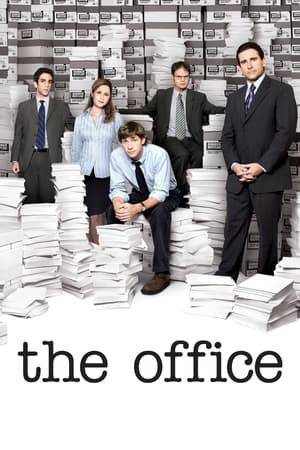
The industry loves to praise Severance as a bold commentary on work-life balance, but strip away the sci-fi premise and you're left with a procedural that prioritizes puzzle-box plotting over character consistency. The show's reliance on the "innie/outie" gimmick ultimately limits its emotional resonance because the audience is constantly waiting for the next lore drop rather than investing in Mark Scout's actual grief. The narrative mechanics actively work against sustained psychological immersion. Consider the infamous Break Room scene: it's a brilliant set piece, but it functions primarily as a plot device to advance the mystery rather than a genuine exploration of Mark's trauma. The show treats its characters as vessels for exposition, not as people enduring a psychological siege. Contrast this with The Office, which holds an 8.588 vote average for a reason. Steve Carell's Michael Scott and the ensemble cast of Dunder Mifflin created a psychological landscape far more terrifying than any corporate sci-fi thriller. The Office weaponizes the mundane. It shows us the slow decay of human dignity through passive aggression, awkward silences, and the desperate need for validation in a fluorescent-lit purgatory. While Severance asks "what if your memories were split?", The Office asks "what if you're just stuck here forever?" The latter is the more profound question. The documentary format forces the characters to perform their humanity for an unseen audience, creating a layer of psychological self-awareness that Severance's sterile boardrooms never achieve. True prestige television understands that the most inescapable prison isn't a fictional corporation with a bizarre HR department; it's the daily grind of trying to find meaning in a job that actively suppresses your soul.
Animation's Unflinching Gaze
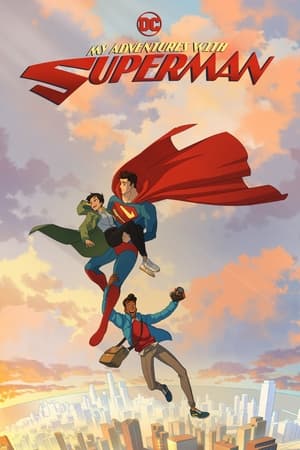
While live-action prestige dramas scramble to attach "serious" tone to their franchises, My Adventures with Superman is quietly redefining what character-driven storytelling looks like in 2026. With an 8.2 vote average, this animated series proves that the medium is a massive advantage for emotional vulnerability. Live-action superhero shows are often shackled by the need for photorealistic combat and CGI spectacle, which flattens facial expressions and distances the audience from the characters' internal states. Animation, by contrast, allows for exaggerated physicality, stylized pacing, and an intimacy that feels almost uncomfortably real. The series strips away the god-like invulnerability of the Man of Steel and focuses relentlessly on the awkward, messy, deeply human experience of Clark Kent trying to balance his Kryptonian heritage with the mundane struggles of Metropolis journalism. It explores systemic pressure through the lens of legacy and expectation, themes that Andor attempts but often gets bogged down in political exposition. My Adventures with Superman understands that a character arc isn't about gaining powers; it's about learning to live with them while maintaining your empathy. The show's willingness to let its characters sit in silence, fumble through conversations, and confront their own moral compromises makes it far more psychologically mature than the "gritty" live-action reboots crowding the streaming landscape. As we've discussed in Plot Is Overrated: The Real Secret to a Binge-Worthy Show, emotional resonance always outpaces spectacle, and animation delivers that resonance without the baggage of photorealism.
The Anti-Hero's Original Blueprint
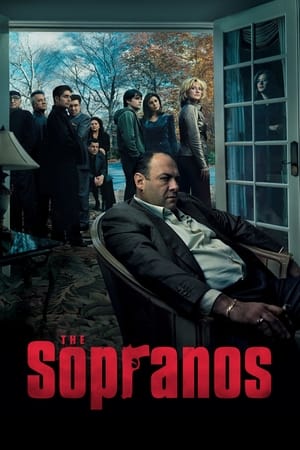
You cannot discuss the evolution of character-driven television without acknowledging the gravitational pull of The Sopranos. Rating an 8.7, it didn't just invent the anti-hero; it proved that television could sustain a psychological case study over multiple seasons. James Gandolfini's Tony Soprano was never just a mob boss; he was a portrait of masculine dysfunction, clinical depression, and the crushing weight of patriarchal expectation. The series' genius lies in its refusal to let Tony escape his own mind. The therapy sessions, the vivid nightmares, the sudden panic attacks in mundane settings like a steakhouse or a highway toll booth—these are the moments that defined modern prestige TV. Every show on this list, from the trauma responses in The Bear to the performative masculinity in The Office, is tracing its DNA back to this foundational text. But here is the crucial divergence: while The Sopranos used the organized crime genre to explore Tony's psyche, modern shows have to find their own pressure valves. The Sopranos proved that genre is merely a vessel. The container can be a restaurant, a paper company, a superhero newsroom, or a corporate memory lab. What matters is whether the writers trust the characters to generate drama through their flaws, rather than manufacturing external crises to cover up weak writing. The shows that succeed are the ones that remember this lesson, embracing the messy, uncomfortable reality of human connection over tidy narrative resolutions.
Why the "High-Concept" Label is a Marketing Scam
The television industry has fallen into a creative trap. By leaning heavily on high-concept premises, writers' rooms have confused world-building with character development. We are seeing a direct correlation between increasingly complex lore and increasingly hollow emotional payoffs. When a show spends three acts explaining the mechanics of a fictional universe, it inevitably neglects the psychological toll that universe takes on the people living inside it. The data from 2026's trending shows makes this undeniable. The highest-rated series are the ones that ground their narratives in relatable, systemic friction. They understand that the most compelling drama emerges when characters are forced to navigate environments that actively work against their emotional well-being. This shift marks the end of the mystery-box era and the beginning of the psychological endurance era. Viewers are no longer satisfied with being told what happens next; they want to feel why it matters. The shows that survive this transition are the ones that prioritize internal journeys alongside external plot mechanics, proving that you don't need a sci-fi procedure to explore the human condition. You just need the courage to look at the mundane and find the horror, the humor, and the heart hidden inside it.
Editor's Verdict
The Bear's "Fishes" episode is the most psychologically realistic portrayal of workplace anxiety ever put to television, surpassing the therapeutic depth of The Sopranos' therapy scenes by relying entirely on environmental pressure and non-verbal acting rather than dialogue. I'm awarding it a 9/10. It loses one point only because the show's reliance on chaotic pacing occasionally borders on self-indulgence, but its commitment to character decay over plot convenience makes it the definitive prestige drama of the current cycle.
FAQ
Why do workplace dramas feel more psychologically intense than sci-fi thrillers?
Workplace dramas like The Bear and The Office ground their tension in relatable, systemic pressure and daily grind, forcing characters to confront their flaws without the distraction of high-concept plot mechanics or external MacGuffins.
Does animation actually deliver better character development than live-action?
Yes, animation often allows for greater emotional vulnerability and stylized intimacy. Without the constraints of photorealistic CGI and physical stunt coordination, animators can focus on facial micro-expressions and pacing that highlight psychological depth.
What makes a TV show truly character-driven instead of plot-driven?
A character-driven show generates its primary conflict and momentum from the internal flaws, relationships, and psychological evolution of its cast, rather than relying on external mysteries, lore drops, or episodic plot twists to maintain viewer engagement.