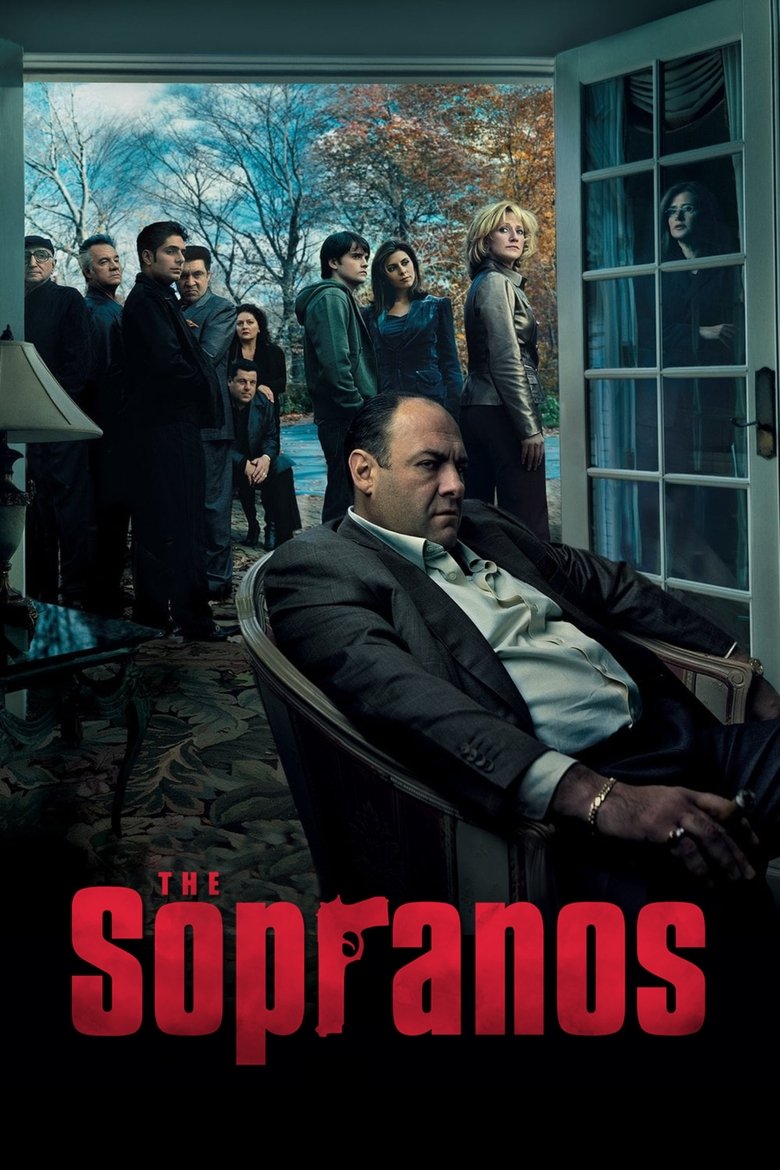
Stranger Things vs. Shrinking: The Found Family Showdown
Why trauma bonding beats sitcom proximity in modern ensemble storytelling
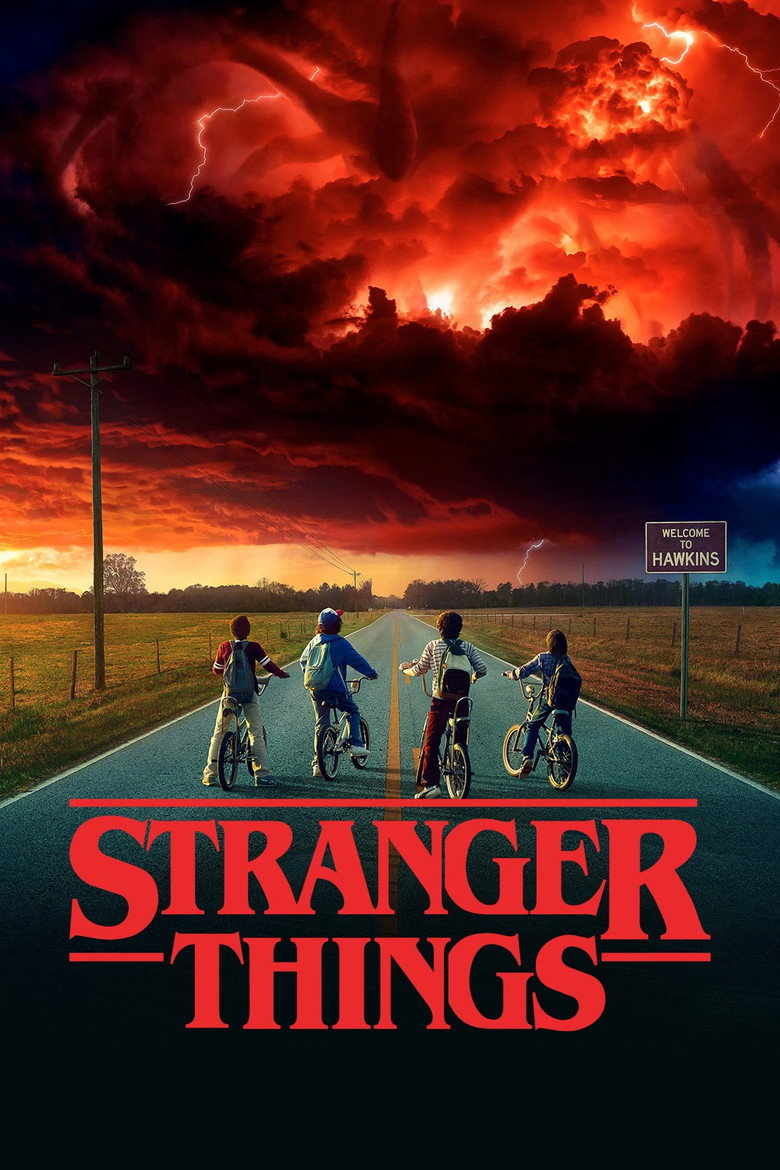
When a television ensemble stops functioning as a plot device and starts acting as a psychological safety net, what separates a cohesive found family from a mere cast list? The difference lies entirely in how the show treats grief as the glue that holds chosen connections together.
What Defines the Best Found Family TV Shows?
- Stranger Things vs. Shrinking: The head-to-head breakdown
- How Friends and Avatar set the original blueprint
- Why trauma bonding beats forced camaraderie in modern TV
- Tone management: Balancing comedy with existential dread
- Final rankings across belonging, grief, and humor
The Chosen vs. The Bloodline: How Modern TV Rewired Belonging
Contemporary television has moved past the era where ensembles simply hang out because the writers need someone to deliver exposition. Today’s most compelling series understand that chosen families are forged in resistance—resistance against external monsters, internal decay, or the crushing weight of expectation. Stranger Things and Shrinking represent the two dominant schools of this modern approach. One externalizes the threat to force the group together; the other internalizes the breakdown to let the group form in the rubble. To understand why these two dominate the conversation, we have to measure them against the architectural blueprints set by Friends and Avatar the Last Airbender, and pit them across three critical dimensions of ensemble storytelling.
Dimension I: The Architecture of Belonging — How the Group Forms and Sustains Itself
Stranger Things builds its core around physical anchors that double as psychological fortresses: the arcade table, the bike routes, and eventually the Byers basement. The Duffer Brothers treat the group as a single organism, where dialogue operates on a shorthand that blood relatives rarely achieve. When Mike, Eleven, Dustin, Lucas, and Will orbit each other, their bond isn’t maintained by convenience; it’s maintained by necessity. The kids must literally run toward danger to stay together, making their connection a survival mechanism rather than a sitcom plot device.
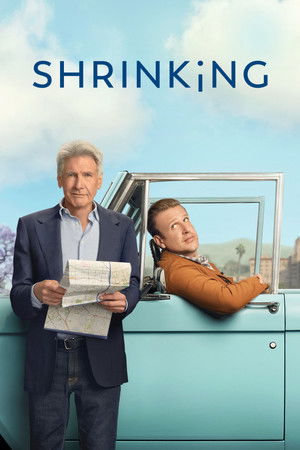
Shrinking approaches architecture differently, building its ensemble through professional boundaries that are deliberately shattered. Jimmy’s therapy office should be a place of clinical detachment, yet the show weaponizes his rule-breaking to forge a triad with his ex-wife Ora and his patient Greg. It’s a messy, ethically dubious formation, but it mirrors how real chosen families often begin: in the margins of failed institutions. The architecture here isn’t a physical space; it’s the shared vulnerability of three broken people refusing to perform wellness for each other.
When we pull in the peers, the contrast becomes sharp. Friends relies on the coffee shop and the West Village apartment as gravitational centers, but its architecture is fundamentally static. The group stays together out of geographic proximity and scheduling convenience rather than active, hard-won choice. This is why Friends functions brilliantly as comfort viewing but fails as a study in relational resilience. Meanwhile, Avatar the Last Airbender constructs belonging through the vessel of the airship and the journey motif. Aang’s crew isn’t bound by a shared neighborhood, but by a collective mission that evolves into personal salvation. The show earns its architecture by making every member indispensable to the whole; without Zuko’s redemption, Katara’s healing, or Sokka’s strategy, the found family collapses. It proves that purpose can precede affection, and that shared destiny often outlasts biological ties.
Dimension I Scoring: 1. Stranger Things (9/10) - Survival necessity creates unbreakable shorthand. 2. Avatar the Last Airbender (8.5/10) - Mission-driven cohesion that deepens into genuine love. 3. Shrinking (7.5/10) - Chaotic but psychologically realistic boundary-breaking. 4. Friends (6/10) - Static proximity masquerading as deep commitment.
Dimension II: Grief as the Catalyst — Trauma Bonds and Existential Anchors
Modern television understands that chosen connections rarely form in sunlit pastures; they coalesce in the wreckage of loss. Stranger Things is fundamentally a show about a boy who disappears and the friends who refuse to let go. The Upside Down isn't just a monster habitat; it's a metaphor for the hollowed-out space grief leaves behind. The group’s dynamic shifts from childhood play to adolescent vigilance because they are collectively mourning. This trauma bonding elevates the series beyond standard sci-fi, giving every alliance a desperate, urgent weight. Scenes like the Season 2 finale, where the kids strap themselves to bikes to race against a literal manifestation of their shared trauma, prove that their bond is the only thing keeping them grounded.
Shrinking places grief squarely in the prologue but lets it metastasize across every scene. John Krasinski’s Jimmy doesn’t just mourn his wife; he weaponizes his own emotional paralysis to force honesty on those around him. The show’s brilliance is how it treats grief not as a hurdle to overcome, but as a permanent landscape to navigate. Greg and Ora join Jimmy not because they want a therapist, but because they recognize someone else drowning in the same water. The ensemble survives by admitting that healing isn't linear, a rare honesty in prestige television that directly counters the sanitized emotional arcs we see elsewhere.
Peer comparisons reveal how differently shows handle this catalyst. Friends treats grief as an episodic guest star rather than a structural pillar. Ross’s divorce or Chandler’s parental issues are resolved within 22 minutes, allowing the show to maintain a frictionless comfort zone. This sanitization is why it ages as a comfort watch but fails as a profound exploration of chosen family. In contrast, Avatar the Last Airbender makes genocide and displacement the foundational trauma. Aang’s guilt over his people, Katara’s motherless upbringing, and Zuko’s royal exile create a pressure cooker where grief forces characters to confront their own complicity. The show doesn’t let trauma bond them into a toxic cult; it uses it to forge accountability. As explored in our breakdown of how TV traded genres for grief, the most enduring ensembles are those that let their characters sit in the dirt rather than rushing them toward a tidy resolution.
Dimension II Scoring: 1. Shrinking (9.5/10) - Grief as an active, non-linear landscape driving every interaction. 2. Avatar the Last Airbender (9/10) - Historical and personal trauma driving redemption arcs. 3. Stranger Things (8.5/10) - Loss as a survival mechanism, occasionally leaning on nostalgia tropes. 4. Friends (5/10) - Trauma sanitized for episodic convenience.
Dimension III: Tone Management — Balancing Sharp Humor with Profound Emotional Depth
The hardest tightrope for any ensemble is balancing sharp humor with profound emotional depth. Shrinking masters this by letting its absurdity amplify its pain. Jimmy’s brutally honest, often inappropriate advice is hilarious, but the laughter always punctuates a moment of raw vulnerability. The show understands that comedy is the nervous system’s way of processing trauma, so it doesn’t pivot away from the jokes when the tears start—it leans in. This tonal dexterity keeps the series from becoming a slog, proving that plot is often overrated when character pressure is handled this well.
Stranger Things relies on character-specific comedy to offset the dread. Dustin’s sarcastic wit and Lucas’s bluntness provide crucial pressure valves, but the show occasionally struggles when the 80s nostalgia outweighs the genuine humor. The tonal shifts are usually earned, particularly in scenes where the kids use pop culture references to rationalize the supernatural, but the heavy reliance on familiar movie homages can sometimes flatten the emotional stakes. The comedy works best when it stems from the characters' specific quirks rather than the writers' love letters to cinema history.
Looking at the peers, Friends is almost entirely comedic, using emotional moments as punchlines or quick resolutions. It prioritizes laughter over depth, which limits its ability to explore the messy, nonlinear process of growing up. Avatar the Last Airbender, however, sets the gold standard for tonal balance in animation. It seamlessly transitions from Sokka’s cringe-comedy and banter to devastating episodes about war, death, and identity. The show respects the audience enough to let them laugh and cry within the same act, proving that humor doesn’t undermine tragedy—it humanizes it. The desert arc’s blend of cultural friction jokes and Zuko’s parental breakdown remains a masterclass in ensemble tone management.
Dimension III Scoring: 1. Avatar the Last Airbender (9.5/10) - Flawless integration of comedy and tragedy without undermining either. 2. Shrinking (9/10) - Brilliant use of cringe and absurdity to process trauma. 3. Stranger Things (7.5/10) - Effective character comedy, occasionally hampered by nostalgia shorthand. 4. Friends (6.5/10) - Consistent laughs but lacks the emotional gravity to balance them.
The Final Verdict — Which Ensemble Earns Your Loyalty?
After weighing the architecture of belonging, the catalyst of grief, and the mastery of tone, Stranger Things and Shrinking represent two sides of the modern found family coin. One builds outward through shared survival against external threats, while the other builds inward through the demolition of professional and emotional boundaries. While Shrinking edges ahead in psychological realism and tonal risk-taking, Stranger Things wins on sheer narrative momentum and the visceral necessity of its ensemble. The kids in Hawkins don't just choose each other; they are forced to rely on each other to literally stay alive. That external pressure cooker forges a bond that feels less like a TV trope and more like a documented survival mechanism. Stranger Things takes the crown for proving that chosen family isn't just about emotional support—it's about shared warfare against an indifferent universe.
Editor's Verdict
Stranger Things earns a 9/10 because Season 3's "The Sauna Test" remains the most effectively paced ensemble survival sequence in modern sci-fi television, proving its found family dynamic functions under actual pressure. The show loses a single point because Season 4 fractures the core group for too many episodes, diluting the very ensemble chemistry that makes the series work. I will defend this rating by pointing to the specific way the Duffer Brothers use spatial confinement to force character progression, a technique that consistently outperforms the more talk-heavy approaches of its peers.
FAQ
Why do modern TV shows focus on found families instead of biological ones?
Contemporary audiences resonate with chosen connections because they reflect the fragmented, mobile nature of modern life. Shows use found families to explore trauma bonding and mutual survival, which often creates deeper, more active emotional stakes than biological ties that rely on obligation.
How does Stranger Things balance horror with ensemble comedy?
The show uses character-specific humor as a pressure valve against supernatural dread. Dustin's sarcasm and the kids' pop-culture rationalizations ground the high-concept horror in relatable adolescent coping mechanisms, preventing the tone from becoming relentlessly grim.
Is Shrinking a realistic portrayal of therapy and grief?
While Jimmy's methods are ethically inappropriate in real life, the show accurately portrays the non-linear, messy process of grieving. It focuses on how people use blunt honesty and boundary-breaking to force emotional breakthroughs when traditional coping mechanisms fail.