The Pitt vs. RIPLEY: Who Actually Masters Psychological Prestige TV?
A head-to-head breakdown of atmospheric dread, moral erosion, and genre fusion in modern television's most intense thrillers.
When does the slow erosion of a protagonist’s conscience become more compelling than the explosion that supposedly starts the story? The answer lies in television that treats moral decay not as a plot device, but as an atmospheric condition.
Prestige drama has finally stopped pretending that high stakes require loud noise. Instead, the most psychologically intense series weaponize quiet desperation, institutional rot, and the suffocating weight of compromised ethics. This structural shift has redefined how audiences experience narrative tension, moving away from episodic resolution toward sustained psychological friction.
How Do Contemporary Prestige Series Master Psychological Tension?
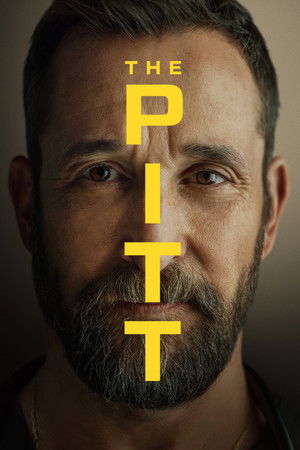
In the current landscape of psychological prestige television, few shows have cornered the market on suffocating dread quite like The Pitt and RIPLEY. While both operate within the thriller-adjacent space, they approach psychological intensity from opposite ends of the spectrum. [The Pitt] grounds its tension in institutional decay and the grinding reality of emergency medicine, forcing its protagonists to make triage decisions that bleed directly into their personal ethics. It’s a pressure cooker built on fluorescent lights, shift fatigue, and the quiet horror of systemic failure. Conversely, [RIPLEY] externalizes internal rot, using the meticulously curated frames of its protagonist’s con as a mirror for his fractured identity. Where [The Pitt] traps its characters in a physical space that slowly corrodes their morals, [RIPLEY] follows a character who actively engineers his own isolation, peeling back layers of performance until nothing authentic remains. Both series reject the tidy moral resolutions of network television, but their methods of generating sustained dread differ fundamentally.
To understand which approach actually redefines contemporary narrative tension, we need to break down how they engineer atmosphere, fracture ethics, and blend genres—while measuring how peer series like The Diplomat and The Americans stack up against them.
The Architecture of Dread: How Environment Dictates Psychology
Atmospheric pressure isn’t just a backdrop in prestige television; it’s the primary antagonist. [The Pitt] understands this intuitively. The hospital corridors aren’t merely set dressing; they function as a labyrinth of moral compromise. The show’s cinematography relies on tight framing, desaturated color palettes, and the relentless ambient hum of machinery to create a sense of inescapable claustrophobia. When a senior resident has to choose between protocol and patient survival in Episode 4, the camera doesn’t cut away to a dramatic score. It holds on the character’s trembling hands, letting the sterile environment do the heavy lifting. This approach aligns perfectly with the containment drama trend we explored in our breakdown of high-stakes workplace thrillers, proving that geographic restriction often amplifies psychological stakes far more than sprawling locales.
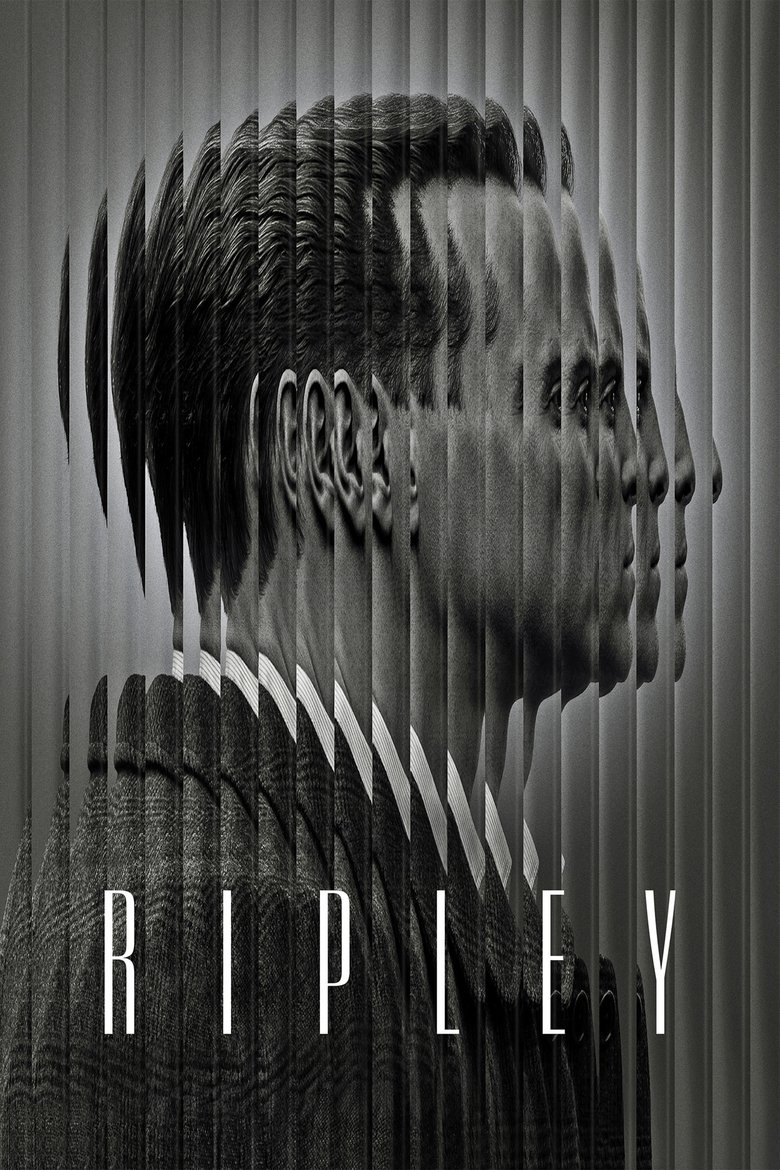
[RIPLEY] weaponizes atmosphere differently, trading clinical sterility for curated artifice. The series uses stark black-and-white photography not as a gimmick, but as a psychological filter that flattens emotional nuance and emphasizes geometric isolation. Tom Ripley’s movements through Italian piazzas and bourgeois salons are framed with deliberate negative space, visually reinforcing his detachment from human connection. The show’s tension doesn’t come from being trapped; it comes from the chilling precision of a predator who controls his environment so completely that the audience feels like an unwelcome observer. Every shadow cast across a marble floor or every meticulously arranged dinner setting functions as a psychological barrier between Ripley and authenticity.
Where [The Diplomat] and [The Americans] fit into this atmospheric calculus reveals a clear hierarchy. [The Diplomat] leans heavily on glossy, travelogue-style cinematography that occasionally undercuts its own political tension. The opulent embassies and sweeping European vistas create visual comfort rather than psychological unease, which is why its stakes often feel transactional rather than existential. The show mistakes production value for atmosphere, resulting in a world that looks expensive but feels emotionally insulated. [The Americans], meanwhile, masters mid-century domestic claustrophobia. Its use of practical lighting and period-accurate sound design grounds the espionage thriller in a tangible reality. Yet, even at its peak, [The Americans] relies more on interpersonal tension than environmental dread. When ranked purely on atmospheric pressure, the order is clear: [RIPLEY] (9/10) for its masterful use of negative space and monochrome isolation, followed closely by [The Pitt] (8.5/10) for its suffocating institutional realism. [The Americans] takes third (7.5/10) with its strong domestic containment, while [The Diplomat] trails significantly (6/10) for prioritizing visual polish over psychological weight.
The Calculus of Compromise: When Good Choices Become Impossible
Moral ambiguity in contemporary television rarely survives past the pilot if it’s not rooted in actionable consequence. [The Pitt] excels here by presenting ethical dilemmas that have no clean resolutions, only varying degrees of professional and personal ruin. The series refuses to villainize systemic failure; instead, it shows how well-intentioned medical professionals are gradually worn down by bureaucratic indifference and resource scarcity. A standout moment occurs when the protagonist must cover up a procedural error to protect a junior colleague, a decision that doesn’t trigger a moral crisis montage but instead manifests as quiet paranoia and strained relationships. The show understands that true ethical gray areas aren’t debated in boardrooms; they’re lived in the space between duty and self-preservation. The cumulative weight of these micro-compromises creates a more realistic portrait of moral erosion than any grand villain monologue ever could.
[RIPLEY] approaches moral ambiguity through the lens of performance versus identity. Tom Ripley isn’t torn between right and wrong; he’s torn between survival and authenticity, and he consistently chooses survival with chilling efficiency. The series doesn’t ask the audience to root for him—it asks them to watch him dismantle his own humanity one lie at a time. His moral fracturing is proactive rather than reactive, which makes the psychological tension far more unsettling. There’s no tragic fall from grace; there’s only the steady realization that grace was never part of the equation. Every deception compounds the previous one, creating a narrative architecture built entirely on ethical acceleration.
Peer comparison here reveals how different shows handle ethical erosion. [The Americans] builds its entire narrative architecture on dual loyalty, using Elizabeth and Philip’s marriage as the ultimate ethical pressure valve. Their compromises feel earned because they’re constantly balancing ideological conviction against genuine affection. The show’s greatest strength is how it treats espionage not as action, but as marital negotiation, making every compromised assignment feel like a betrayal of their domestic life. [The Diplomat], however, struggles to ground its political maneuvering in personal stakes. The diplomatic corps is portrayed as a chess game where moral compromises are treated as standard operating procedure rather than psychological burdens. The characters negotiate treaties but rarely confront their own complicity, leaving the audience emotionally detached from the consequences. Scoring moral ambiguity: [RIPLEY] leads with a 9/10 for its unflinching exploration of performative identity and ethical detachment. [The Pitt] follows at 8.5/10 for its realistic portrayal of institutional moral decay. [The Americans] earns an 8/10 for its masterful marital-spy dynamic, while [The Diplomat] lags at 6.5/10, treating ethical compromise as a plot mechanic rather than a psychological wound.
Hybrid Engines: How Genre Fusion Sustains Psychological Dread
The most successful contemporary prestige series don’t just borrow from multiple genres; they fuse them until the seams disappear. [The Pitt] operates as a medical drama, a workplace thriller, and a character study all at once. It borrows the procedural pacing of crime television but redirects that energy toward internal hospital politics and psychological burnout. The tension doesn’t come from catching a killer; it comes from navigating a system designed to break people. This hybrid approach keeps the narrative momentum sharp while allowing space for quiet, devastating character moments. The show’s willingness to let episodes unfold in real-time during critical surgeries or administrative hearings creates a relentless rhythm that mirrors the characters’ mental fatigue, proving that workplace realism can carry thriller-level stakes.
[RIPLEY] blends psychological thriller, period drama, and cat-and-mouse mystery into a cohesive whole. It strips away the genre’s typical exposition, trusting the audience to read subtext in glances and compositional framing. The narrative tension is sustained not through plot twists, but through the audience’s intimate knowledge of Ripley’s duplicity. We watch him execute elaborate cons while knowing exactly how fragile his constructed identity is. This dramatic irony transforms a straightforward heist structure into a psychological autopsy. The series understands that the most effective suspense comes from watching a character knowingly walk toward a cliff while pretending the ground is solid.
When we factor in [The Diplomat] and [The Americans], the genre-blending hierarchy becomes apparent. [The Americans] successfully merges Cold War espionage with domestic family drama, using the mundane rhythms of suburban life to heighten the paranoia of undercover work. Its genre fusion is seamless, but occasionally relies on familiar spy tropes that slightly dull its psychological edge. The show’s reliance on mid-century thriller conventions sometimes prioritizes plot mechanics over character deconstruction. [The Diplomat], conversely, struggles to reconcile its political thriller ambitions with its workplace comedy undertones. The tonal whiplash between high-stakes geopolitical maneuvering and lighthearted diplomatic banter fractures its narrative tension, leaving the series unsure whether it wants to be a serious geopolitical drama or a polished prestige soap. Scoring genre blending: [RIPLEY] takes first place at 9.5/10 for its flawless synthesis of thriller pacing and psychological character study. [The Pitt] secures second at 8.5/10 for its innovative medical-workplace-thriller hybrid. [The Americans] earns a solid 8/10 for its enduring spy-domestic fusion, while [The Diplomat] falls to 6/10, its tonal inconsistencies undermining its structural ambitions.
The data is unambiguous. While [The Diplomat] offers polished political maneuvering and [The Americans] delivers masterful spy-domestic balance, neither matches the sustained psychological intensity of the top contenders. [The Pitt] provides a devastatingly realistic portrait of institutional erosion, but [RIPLEY] ultimately wins this head-to-head comparison. Its commitment to visual isolation, proactive moral decay, and seamless genre fusion creates a viewing experience that doesn’t just demand attention—it rewires it. Where other shows treat psychological tension as a seasoning, [RIPLEY] makes it the entire recipe.
Editor's Verdict
[RIPLEY] earns a 9/10 not for spectacle, but for its ruthless discipline in denying the audience emotional comfort. It loses one point solely because Episode 4’s pacing drags for twelve minutes during a subplot that adds nothing to Ripley’s psychological trajectory. The series proves that the most effective prestige television isn’t about what characters do, but what they refuse to acknowledge. I maintain that Episode 2’s silent dinner sequence is the most effective use of dramatic irony in television this decade—a claim you can verify by watching the scene without the score and noting exactly how many times the camera cuts away from Ripley’s face to the reactions of those around him. If you value narrative restraint over plot acceleration, this series should be your benchmark.
FAQ
What makes RIPLEY stand out among modern psychological thrillers?
RIPLEY stands out because it replaces traditional plot-driven suspense with dramatic irony and visual isolation, forcing the audience to sit with the protagonist's proactive moral decay rather than waiting for external consequences.
How does The Pitt generate tension without relying on action or villains?
The Pitt generates tension through institutional realism and containment, using hospital bureaucracy, shift fatigue, and ethical triage decisions to create a slow-burn psychological pressure cooker that mirrors professional burnout.
Why do peer shows like The Diplomat score lower in psychological intensity?
Shows like The Diplomat prioritize visual polish and tonal variety over sustained dread, often treating moral compromise as a procedural mechanic rather than an existential burden, which fractures narrative tension.