Pressure Cooker TV: '56 Days' vs. 'The Pitt'
Can any modern drama truly capture the suffocating intensity of high-stakes, confined narratives, or are we destined for diluted thrills? The answer lies in the unforgiving focus on human frailty under the most extreme duress.

What truly distinguishes a television series that plunges its characters into inescapable, high-stakes environments, pushing them to the brink of moral and physical collapse, from one that merely offers a fleeting thrill? It's the unflinching commitment to examining the deep-seated psychological and societal pressures within those confines, rather than simply exploiting the setting for cheap suspense. Contemporary television, in its constant quest for novelty, often falls into the trap of superficial spectacle. But a select few still understand that true drama unfolds when the walls close in, and the stakes aren't just high—they're existential. We're here to dissect four recent and classic examples that claim mastery over the art of the 'containment drama,' asking who truly elevates the genre beyond mere ticking clocks and cramped quarters.
Navigating High-Stakes TV: Choosing Your Next Pressure Cooker Drama
- The Pitt's unflinching medical realism
- 56 Days's ticking clock of psychological dread
- Star City's urban survival test
- 24's legacy of real-time intensity
The Contenders Enter the Arena: [56 Days] vs. [The Pitt]
Our main event pits two titans of constrained storytelling against each other: the psychological thriller 56 Days and the harrowing medical drama The Pitt. Both leverage tight timelines and confined spaces to amplify tension, but their approaches diverge dramatically. 56 Days, a newer entry, locks its characters in a single location for a finite period, ratcheting up paranoia and suspicion, perfectly encapsulating the psychological toll of isolation under threat. It’s less about a grand conspiracy and more about the corrosive effect of enforced proximity. Each day adds another layer of emotional grime to its residents, making their desperate attempts at normalcy utterly compelling.

Conversely, The Pitt drops us into the relentless, morally grey world of a trauma hospital, where every second is a life-or-death decision. It doesn't rely on a single, overarching external threat, but rather the constant, internal pressure of a profession that demands impossible choices. The 'confined setting' here is not a luxury retreat, but the brutal, high-stakes operating room and emergency department, where the human body is a constant battleground. The series excels at showcasing the exhaustion and the quiet heroism of those who stand on the precipice between life and death. The sheer volume of critical cases and the personal toll on the medical staff make it a masterclass in sustained tension, proving that even a seemingly familiar setting can become a crucible when the writing is sharp and the performances are raw.
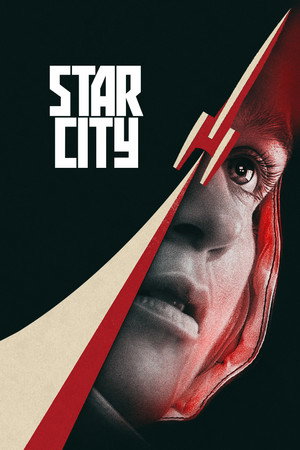
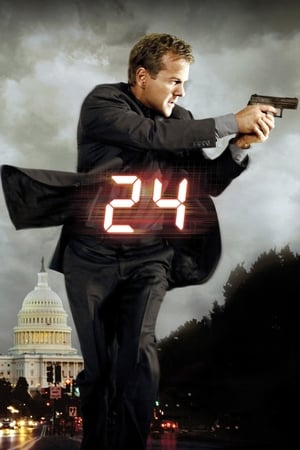
To contextualize their fight, we'll pull in two heavyweights: the gritty urban survival narrative of Star City and the progenitor of real-time thrills, 24. These series, in their own right, define how television approaches the 'pressure cooker' concept, setting benchmarks that our main contenders must either meet or defiantly redefine. Star City offers a sprawling yet claustrophobic urban landscape, where the confinement comes from societal collapse rather than physical walls, forcing its characters into desperate alliances and ethical compromises. Meanwhile, 24 practically invented the 'intense timeline' subgenre, turning every episode into a frantic dash against a literal clock. It's the standard against which all other real-time or compressed-timeline narratives are inevitably measured.
Dimension I: The Crucible of Crisis – Narrative Pacing & Stakes
The art of the containment drama hinges on its narrative pacing—how it builds and sustains tension within its tightly wound structure. It's not just about a ticking clock, but about making every beat count, every reveal land like a punch.
56 Days is a masterclass in slow-burn psychological erosion. The titular timeline isn't a race against a bomb, but a countdown to exposure, a slow-motion reveal of character flaws and buried secrets. The stakes are personal, the consequences devastating, even if the world isn't ending. Each day feels heavier than the last, building a dread that is palpable, making the mundane utterly terrifying. The pacing is deliberate, allowing the audience to luxuriate in the growing discomfort, the micro-aggressions, and the simmering resentments among the confined group. The series understands that the most terrifying countdown isn't to an explosion, but to the moment human decency finally fractures under pressure.
The Pitt, in stark contrast, is a relentless sprint. Its pacing is dictated by the constant influx of trauma, the unpredictability of human physiology, and the sheer volume of critical decisions. There's no time for philosophical musings; it's all about immediate action and desperate improvisation. The stakes are literal life and death, often several times an episode. The series’ narrative structure mirrors the chaos of an ER—a series of intense, discrete crises woven into an overarching tapestry of exhaustion and ethical compromise. The brilliance here is in making each medical emergency feel genuinely urgent, without resorting to cheap melodrama, instead leaning into the raw, often messy reality of modern medicine. It’s a compelling argument that constant, high-stakes action can be just as impactful as a carefully constructed mystery, especially when grounded in such a potent reality.
Star City finds a middle ground, but errs on the side of sprawling realism. Its urban setting, while physically vast, feels narratively confined by the relentless societal breakdown. The pacing is episodic, driven by immediate survival needs and skirmishes, rather than a single unifying countdown. The stakes are immense—the survival of a nascent community—but the narrative can sometimes feel diffuse, lacking the laser focus of its more contained counterparts. It's less a pressure cooker and more a boiling pot, with various ingredients simmering at different rates. While compelling, it occasionally loses the visceral, immediate grip that true containment dramas excel at, sacrificing sharp tension for broader world-building.
Then there's 24, the undeniable progenitor of the intense timeline. Its real-time format was revolutionary, making every second count and elevating even mundane tasks to nail-biting urgency. The stakes were always global, often nuclear, and the pacing was a breathless, adrenaline-fueled dash. While its narrative formula became predictable over time, its initial impact on television pacing cannot be overstated. It taught audiences to expect immediate consequences, brutal efficiency, and a constant, escalating sense of dread. It's a testament to its narrative ingenuity that even decades later, its influence is still felt in shows that aim for relentless momentum. It truly cemented the idea that a confined timeline isn't just a gimmick, but a powerful narrative engine. For more on how these structures elevate storytelling, consider our deep dive into Why High-Concept TV Is Dead: The Case for Containment Dramas.
Scoring Dimension I: Narrative Pacing & Stakes 1. 24 - Unmatched in pioneering and executing real-time intensity. (5/5) 2. The Pitt - Relentless, immediate, and brutally effective medical crises. (4.5/5) 3. 56 Days - Masterful slow-burn psychological dread and personal stakes. (4/5) 4. Star City - Effective but sometimes diffuse urban survival pacing. (3.5/5)
Dimension II: The Weight of Duty – Character Portrayal & Moral Agony
High-stakes, confined settings are not merely backdrops; they are character shapers, revealing the true essence of individuals under immense pressure. The best shows force their characters to confront their deepest fears and compromise their core values.
56 Days excels at this by stripping away social niceties. The characters are forced into prolonged, uncomfortable proximity, and their true natures emerge. The moral agony isn't from grand heroic choices, but from the everyday compromises, the petty betrayals, and the festering suspicions that grow in isolation. Watching characters grapple with whom to trust, how to survive without losing their humanity, and the creeping realization that their fellow captives might be their biggest threat is where the show truly shines. The series avoids simplistic hero/villain dynamics, instead painting a nuanced portrait of ordinary people pushed to their breaking point, revealing the fragility of ethical boundaries when survival instincts kick in.
The Pitt presents a different kind of moral agony: the professional burden of duty. Doctors and nurses are constantly making split-second decisions with life-altering consequences. It's not just about saving lives, but about resource allocation, triage, and confronting the limits of medical science. The show dives deep into the psychological toll of these choices, depicting burnout, moral injury, and the struggle to maintain empathy in the face of overwhelming suffering. Characters are frequently forced to choose between the 'lesser of two evils,' and the series doesn't shy away from showing the scars these decisions leave. This unwavering commitment to portraying the ethical tightrope walk of high-stakes professions is what elevates The Pitt beyond a mere medical procedural into a profound examination of human resilience and professional sacrifice. It's a brutal, honest look at the burden of responsibility.
Star City's characters are defined by their adaptability and sheer will to survive in a broken world. Their moral compasses are often skewed by necessity, and the series doesn't judge them for it. Characters make difficult, often brutal, choices for the sake of their chosen families or their communities. The show effectively portrays the erosion of conventional morality when the rule of law collapses, and new, harsher codes emerge. While the individual character arcs are compelling, the sheer breadth of the ensemble sometimes prevents a deep dive into the nuanced moral wrestling that defines 56 Days or The Pitt. It prioritizes the collective struggle over intense individual moral scrutiny, which is a valid choice, but one that yields a different flavor of character development.
24 famously placed its protagonist, Jack Bauer, in a constant state of moral compromise. His duty to protect the nation often led him to commit unspeakable acts, making him a deeply conflicted, yet undeniably effective, hero. The show consistently asked: how far is too far to prevent a catastrophe? Jack's agony was almost palpable, and his character became a defining figure of post-9/11 television—the tortured patriot. While the show occasionally veered into sensationalism, it consistently explored the psychological cost of absolute duty, laying bare the moral ambiguities inherent in high-stakes counter-terrorism. It forced audiences to question their own ethical boundaries, a feat few action thrillers have replicated with such intensity. This focus on internal conflict, even amidst external chaos, is a hallmark of truly impactful TV, as discussed in Plot Is Overrated: The Real Secret to a Binge-Worthy Show.
Scoring Dimension II: Character Portrayal & Moral Agony 1. The Pitt - Unflinching, nuanced portrayal of professional moral injury. (5/5) 2. 24 - Iconic depiction of duty-bound moral compromise. (4.5/5) 3. 56 Days - Potent exploration of psychological decay in isolation. (4/5) 4. Star City - Strong survivalist character arcs, but less focused on deep moral introspection. (3.5/5)
Dimension III: Confined Worlds, Expansive Themes – Setting as Protagonist
The environment itself in these dramas often takes on a character of its own, shaping the narrative and amplifying the thematic resonance. It's not just where the story happens, but why it happens there.
In 56 Days, the isolated, luxurious retreat quickly transforms from a sanctuary into a gilded cage. The setting’s initial promise of escape and tranquility becomes a bitter irony as it traps its inhabitants, forcing them into a claustrophobic dance of suspicion and fear. This single location becomes a microcosm of human society under duress, where petty grievances escalate into existential threats. The visual storytelling subtly emphasizes the growing decay within the pristine walls, mirroring the internal rot of the characters. The confined nature allows for a magnifying glass effect on relationships, where every glance, every whispered conversation, takes on monumental significance. The retreat itself becomes a silent, malevolent force, enforcing the characters' slow descent into paranoia.
The Pitt transforms the hospital, a place typically associated with healing, into a brutal, relentless battleground. The setting is less about physical walls and more about the systemic pressures and human suffering contained within its sterile confines. The hospital itself is a character, a demanding entity that swallows personal lives and demands absolute sacrifice from its inhabitants. It's a place where bureaucracy clashes with desperate urgency, where hope and despair coexist in every corridor. The show masterfully uses the hospital's internal politics, its limited resources, and its constant, overwhelming demands to drive the narrative. It’s a compelling critique of modern healthcare systems, using the relentless pace of a single institution to expose broader societal vulnerabilities and the incredible burden placed on those at the front lines.
Star City uses its ravaged urban landscape as a sprawling, dangerous protagonist. The city isn't just a backdrop for survival; it's a character embodying the consequences of collapse and the struggle for rebirth. Every crumbling building, every darkened alley, tells a story of what was lost and what remains. The series effectively uses its environment to heighten the sense of danger, scarcity, and the need for ingenuity. The city’s confinement comes from its perilous nature, forcing characters to carve out small, defensible territories within its vast decay. This creates a compelling vision of post-apocalyptic resilience, where the environment dictates the rules of engagement and continually tests the limits of its inhabitants. It’s a powerful statement on how external circumstances can dictate identity and survival, making the urban sprawl feel as oppressive as any single locked room.
While not a single location, 24's primary setting, the Counter Terrorist Unit (CTU), acts as a nerve center for global threats, making it feel incredibly confined despite the larger world outside. The bright, sterile war room is a hub of constant tension, a place where the weight of the world rests on a handful of screens and phones. This confined, high-tech environment becomes synonymous with the relentless pressure Jack Bauer faces. The stakes are amplified by the claustrophobic feeling of being trapped in this digital battleground, constantly reacting to new threats while confined to a handful of rooms. It was groundbreaking in how it made the operational hub itself feel like a character, a constant, buzzing engine of crisis that fueled the entire narrative. The series masterfully showed how a specific, functional setting could become the primary driver of suspense, making the audience feel every bit of the characters' confinement and desperation.
Scoring Dimension III: Confined Worlds, Expansive Themes 1. The Pitt - Transforms a familiar setting into a profound societal critique. (5/5) 2. 56 Days - Masterful use of isolation to amplify psychological and social breakdown. (4.5/5) 3. 24 - Iconic in establishing the operational hub as a high-stakes, confined world. (4/5) 4. Star City - Broad but effective use of urban decay as a thematic canvas. (3.5/5)
The Ultimate Verdict: Who Endures the Pressure?
After a thorough dissection across these critical dimensions, the battle for containment drama supremacy yields a clear victor. While 24 laid the groundwork for intense timelines and Star City offers a compelling vision of urban entropy, the true contest of depth and execution comes down to our main contenders.
56 Days is an excellent, anxiety-inducing psychological thriller, expertly leveraging its fixed timeline and single location to unravel the darkest aspects of human nature. Its slow-burn dread and intimate character studies make it a thoroughly compelling watch, proving that small-scale terror can be just as impactful as global catastrophes. Its strength lies in its meticulous construction of paranoia and the steady, agonizing reveal of personal failings within its confined space. It's the kind of show that reminds you that the greatest threats often come from within.
However, The Pitt transcends mere genre thrills to offer a profound, often brutal, examination of duty, resilience, and the systemic pressures that define modern life. It takes an ostensibly familiar setting—a hospital—and imbues it with a relentless, high-stakes energy that feels both utterly authentic and dramatically compelling. Its characters aren't just surviving a crisis; they're embodying the burden of responsibility, making impossible choices with lasting consequences. The sheer consistency of its quality, its unflinching realism, and its ability to continually generate tension from the everyday chaos of medical emergencies push it ahead. The Pitt doesn't just put its characters in a pressure cooker; it is the pressure cooker, a microcosm of societal stress and human endurance. It’s a testament to the idea that the most compelling drama doesn’t need supernatural threats, just the stark reality of human beings battling against impossible odds every single day. The series achieves a rare blend of visceral action and deep thematic resonance, solidifying its place as the definitive containment drama of recent memory.
Final Scorecard: 1. The Pitt: 14.5/15 2. 24: 13.5/15 3. 56 Days: 12.5/15 4. Star City: 10.5/15
Editor's Verdict
56 Days delivers a masterclass in psychological tension, but its final reveal ultimately feels less earned than the cumulative dread built throughout the initial episodes. The series is a solid 7, demonstrating adept pacing and character work, but it lacks the groundbreaking thematic depth and relentless authenticity that define truly elite containment dramas.
Like this post? Give it a thumbs up and share your thoughts on which pressure cooker TV show truly gets under your skin.
FAQ
What is a 'containment drama' in television?
A containment drama is a genre of television that places characters in a tightly confined physical setting or under severe time constraints, amplifying tension and exploring human behavior under extreme pressure, often focusing on moral ambiguity and resilience.
How does '24' influence modern high-stakes TV shows?
'24' revolutionized television with its real-time narrative format, forcing immediate consequences and a constant sense of urgency, which influenced countless subsequent thrillers and dramas to adopt compressed timelines and high-stakes scenarios.
Are shows like 'The Pitt' realistic portrayals of high-pressure professions?
While dramatized for television, 'The Pitt' aims for a high degree of realism in depicting the moral and emotional tolls of a trauma hospital environment, showcasing the constant ethical dilemmas and overwhelming demands faced by medical professionals.