Euphoria and the Aesthetics of Anguish
Gen Z's Hunger for Raw, Unflinching TV is Reshaping Storytelling in 2026.
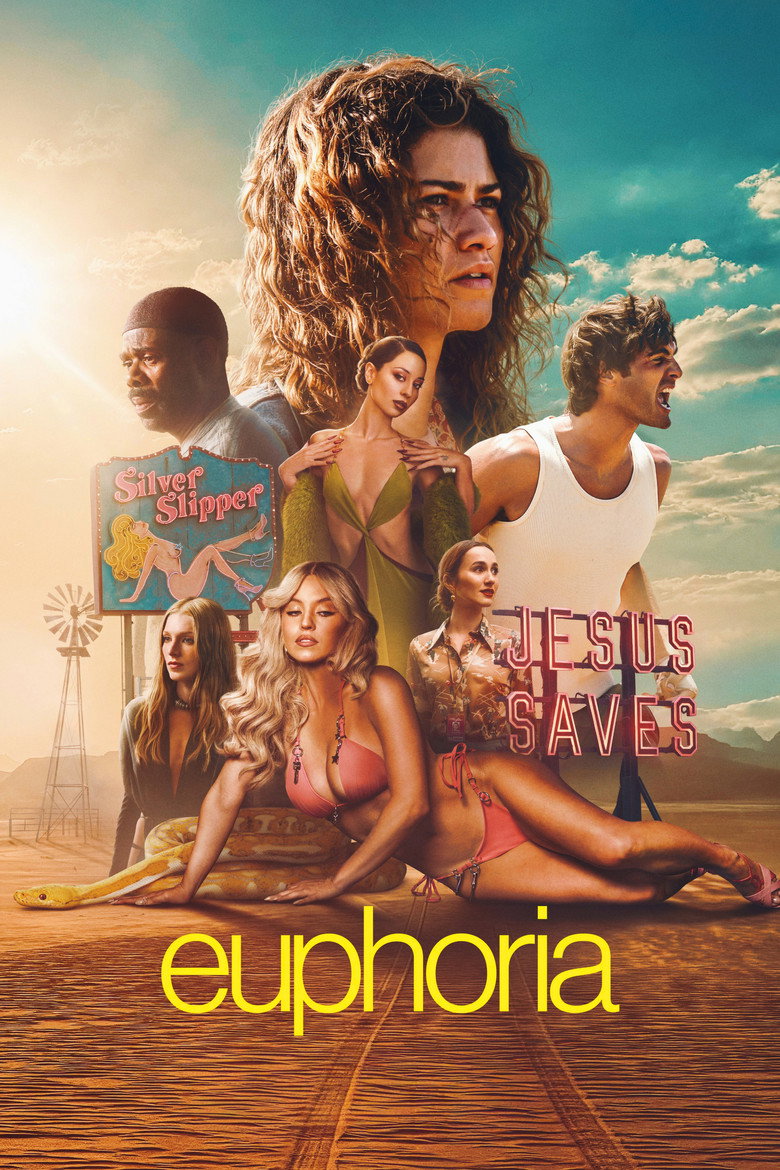
The landscape of television has undeniably shifted. Where once audiences sought clear-cut heroes or escapist fantasies, a new generation demands something far more visceral: unflinching emotional rawness, even when it’s uncomfortable, and often, especially when it’s uncomfortable. This isn't mere voyeurism; it’s a quest for authenticity, a desire to see the messy, contradictory, and often traumatic realities of modern life reflected on screen, beautifully packaged or not. This cultural pivot is perhaps best embodied by HBO’s polarizing, yet undeniably influential, series, Euphoria.
Understanding Gen Z's TV Tastes
For those trying to decipher what captivates younger audiences in 2026, Euphoria offers a masterclass. This article delves into: * The Appeal of Raw Authenticity: Why Gen Z gravitates towards emotionally brutal narratives. * Aestheticized Trauma: How visual style elevates difficult subject matter. * Generational Divide: The stark contrast between old and new media consumption habits. * The Future of Prestige TV: What this trend portends for upcoming series and storylines.
Euphoria: A Mirror to Modern Anxieties
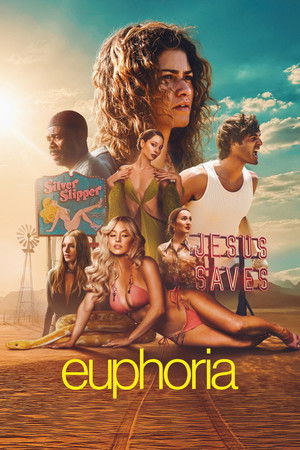
Euphoria isn't just a TV show; it's a cultural artifact, a hyper-stylized exploration of addiction, identity, mental health, and the often-chaotic search for connection among high schoolers. Its narrative, anchored by Zendaya's Emmy-winning portrayal of Rue Bennett, doesn't shy away from the darkest corners of adolescence. Instead, it dives headfirst into them, depicting drug relapses, sexual assault, and profound loneliness with a visual poetry that is both mesmerizing and deeply unsettling. Scenes like Rue's harrowing intervention or Jules's heartbreaking exploration of gender identity are not just plot points; they are meticulously crafted emotional experiences that resonate because of their raw honesty, even if heightened for dramatic effect.
The show’s daring cinematography, often using saturated colors, intimate close-ups, and a pulsating soundtrack, transforms difficult themes into a high-art spectacle. It’s a deliberate choice that, while some critics deem exploitative, many viewers, particularly younger ones, find deeply compelling. It reflects a generation that grew up online, where personal struggles are often shared, curated, and consumed with a similar blend of vulnerability and aesthetic consciousness. This isn't reality TV; it's a heightened, almost operatic, version of reality that still feels profoundly true to its characters' internal worlds.
The Generational Divide in Storytelling
This appetite for emotionally charged, visually rich, and often uncomfortable narratives marks a significant departure from previous eras of television. Contrast Euphoria's gritty realism and morally ambiguous characters with the comparatively sanitized teen dramas of the 90s or early 2000s. Even shows that tackled serious issues often did so with a veneer of reassurance or a clear moral compass. Today, ambiguity is the point. The protagonists are often deeply flawed, their choices questionable, and their endings far from neatly resolved.
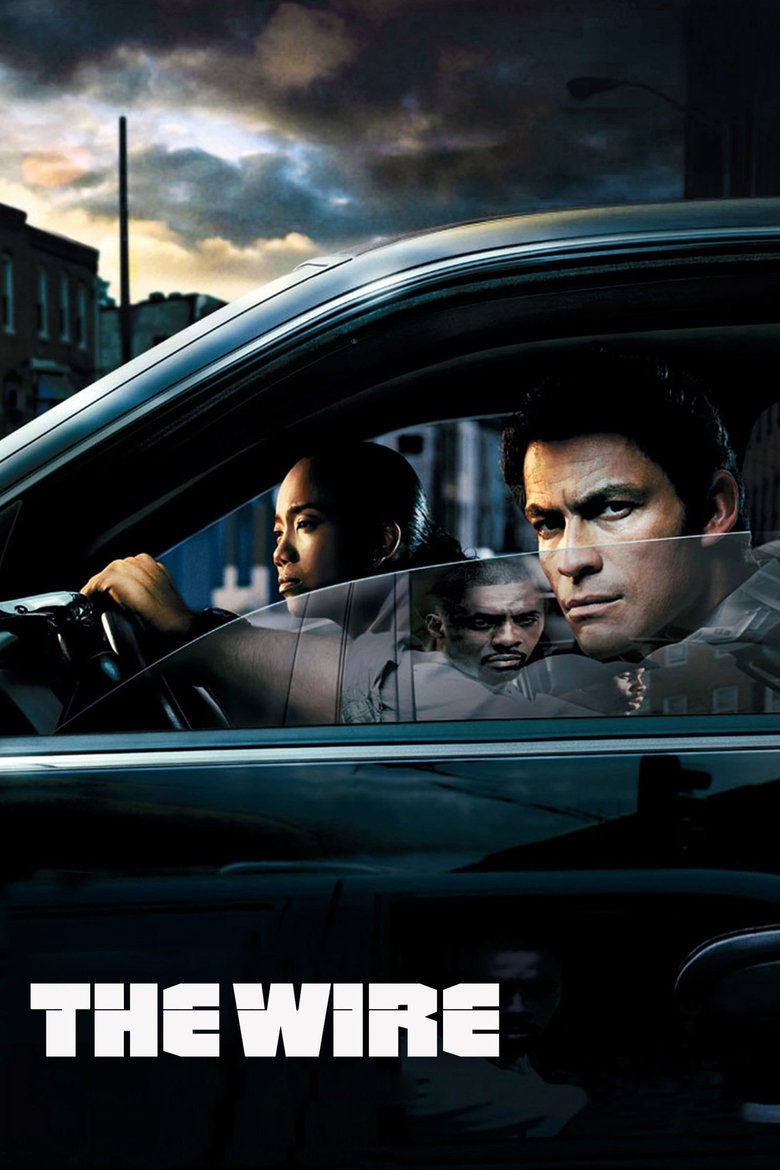
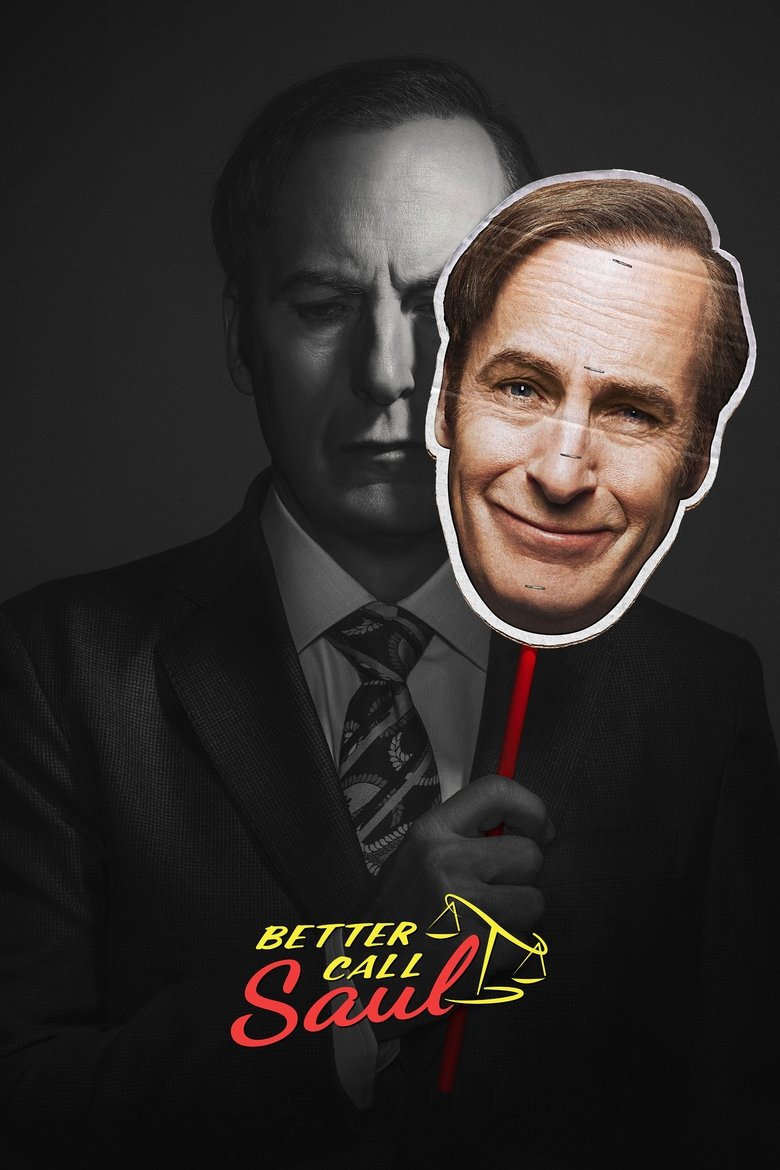
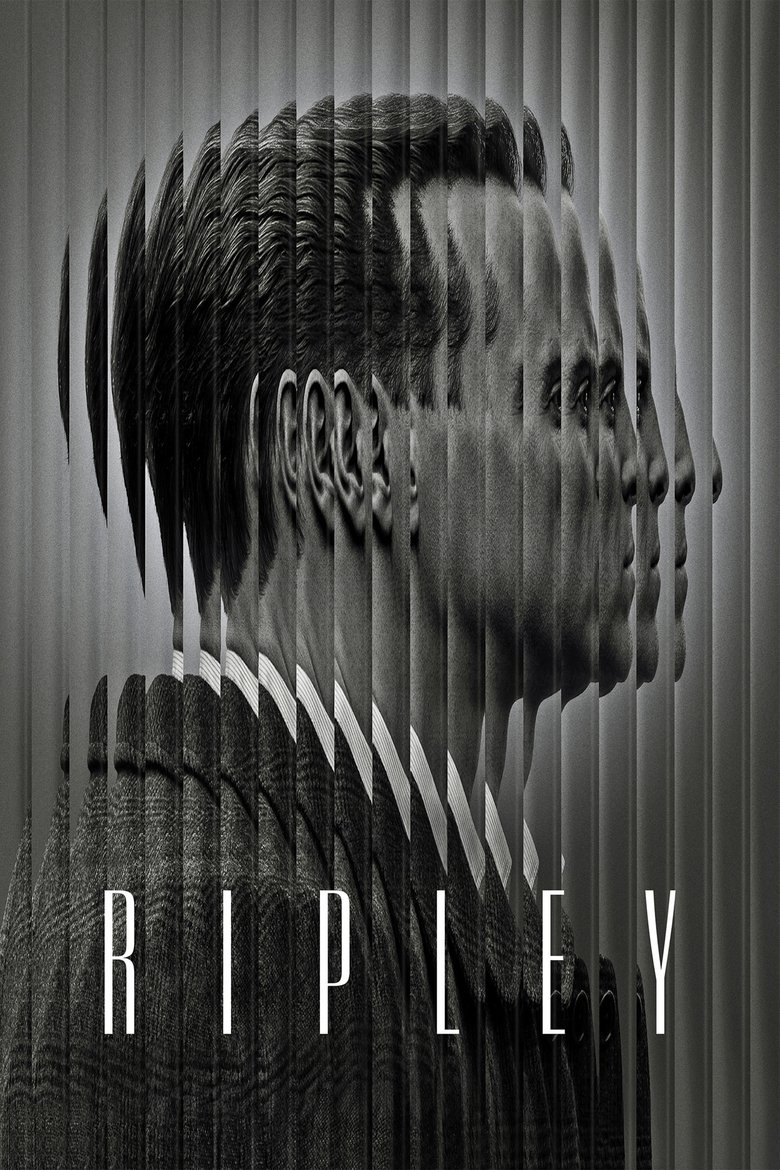
This shift isn't limited to teen dramas. Even genre shows have embraced a darker, more complex morality. We see audiences flocking to narratives where heroes are corrupted and institutions are rotten. It’s a reflection of a world that feels increasingly complex and uncertain, where black-and-white morality often feels naive, echoing the nuanced storytelling found in prestige dramas. For more on how TV music defines these eras, check out our piece on Beyond the Needle Drop: How TV Soundtracks Define a Generation. This appetite for intricate character studies and morally ambiguous worlds is also evident in the critical conversations around shows like those highlighted in Grounded Grit vs. Corporate Dystopia: Apple TV!'s Creator Clash.
The Future is Unflinching
What does this mean for the future of television? We can expect to see more shows that challenge traditional narrative structures and moral paradigms. Authenticity, even if it’s a constructed, hyper-real authenticity, will continue to be a prized commodity. Creators who are willing to delve into the psychological depths of their characters, without fear of alienating those who prefer simpler fare, will capture the cultural zeitgeist.
The demand for shows that reflect a more nuanced, often bleak, understanding of the human condition will only grow. This doesn't mean the end of feel-good television, but it does mean that the most impactful, conversation-driving series will likely be those that dare to stare into the abyss and ask us to look with them. We're moving beyond mere escapism into an era of confrontational, yet deeply resonant, storytelling. Embrace the discomfort; it’s where the best art lives.
Editor's Verdict
FAQ
Why is Euphoria considered so controversial?
Euphoria is controversial due to its explicit portrayal of drug use, sexual content, violence, and mental health struggles among teenagers, which some critics argue is gratuitous or glamorizes risky behavior, while others praise its unflinching realism.
What makes Euphoria's visual style unique?
Euphoria is renowned for its distinctive visual style, characterized by saturated colors, dreamlike cinematography, unconventional camera angles, extensive use of glitter and makeup, and a meticulously curated, atmospheric soundtrack, all contributing to its heightened, almost surreal, aesthetic.
Does Euphoria accurately represent Gen Z experiences?
While Euphoria's specific events are often exaggerated for dramatic effect, many Gen Z viewers connect with its themes of identity, social media pressure, mental health challenges, and complex relationships, feeling it captures an emotional truth about their generation's struggles and anxieties.